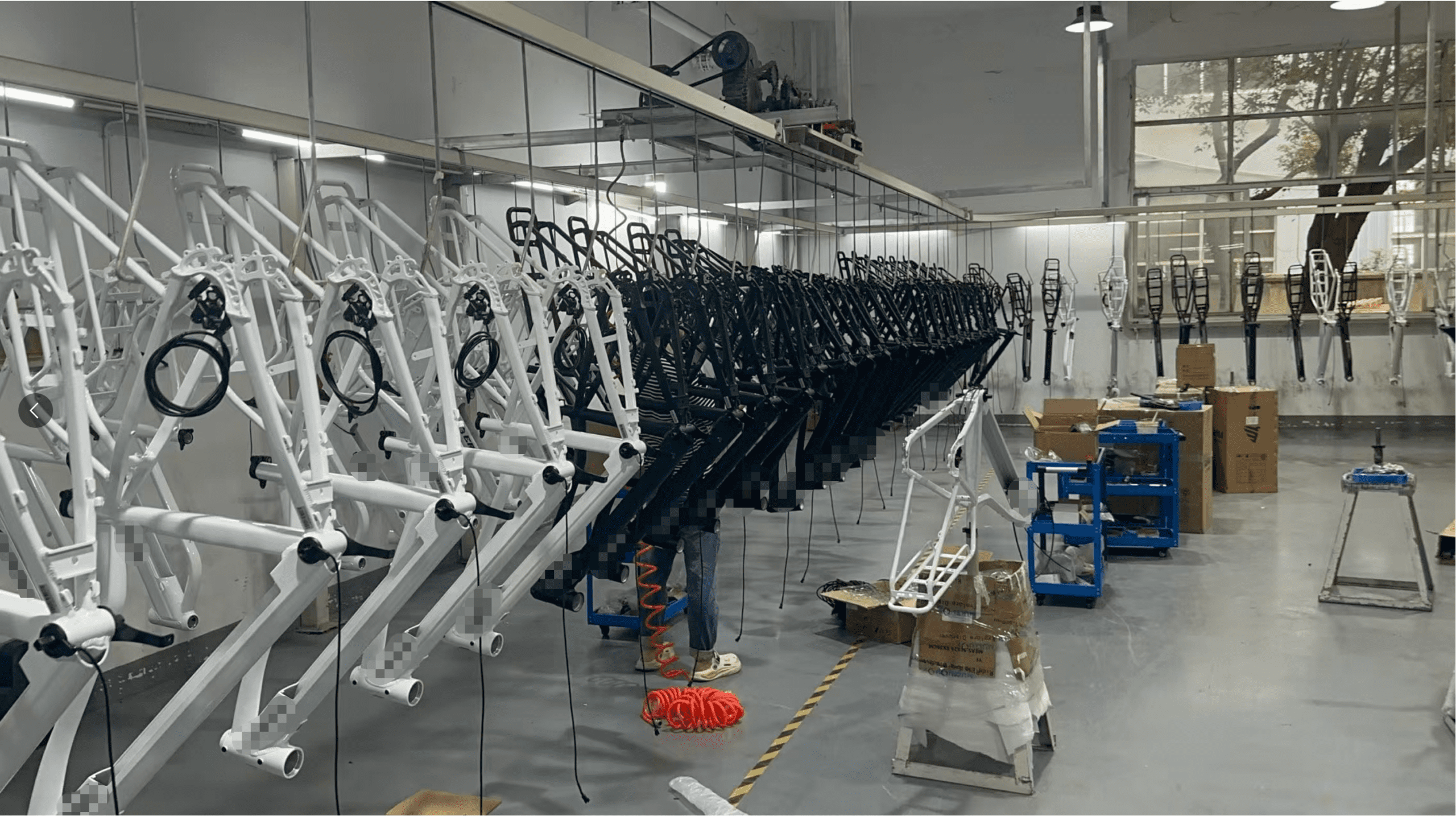
Many people assume that electric bike manufacturing begins with a frame design or a battery specification.
In reality, the most successful electric bike projects start much earlier—with understanding the market.
Whether the customer is an outdoor equipment dealer, a delivery fleet operator, a rental business, or an entrepreneur entering the ebike industry for the first time, the manufacturing process should begin with a clear understanding of what end users actually need.
This article explains our electric bike manufacturing process and how we transform an idea into a market-ready product.
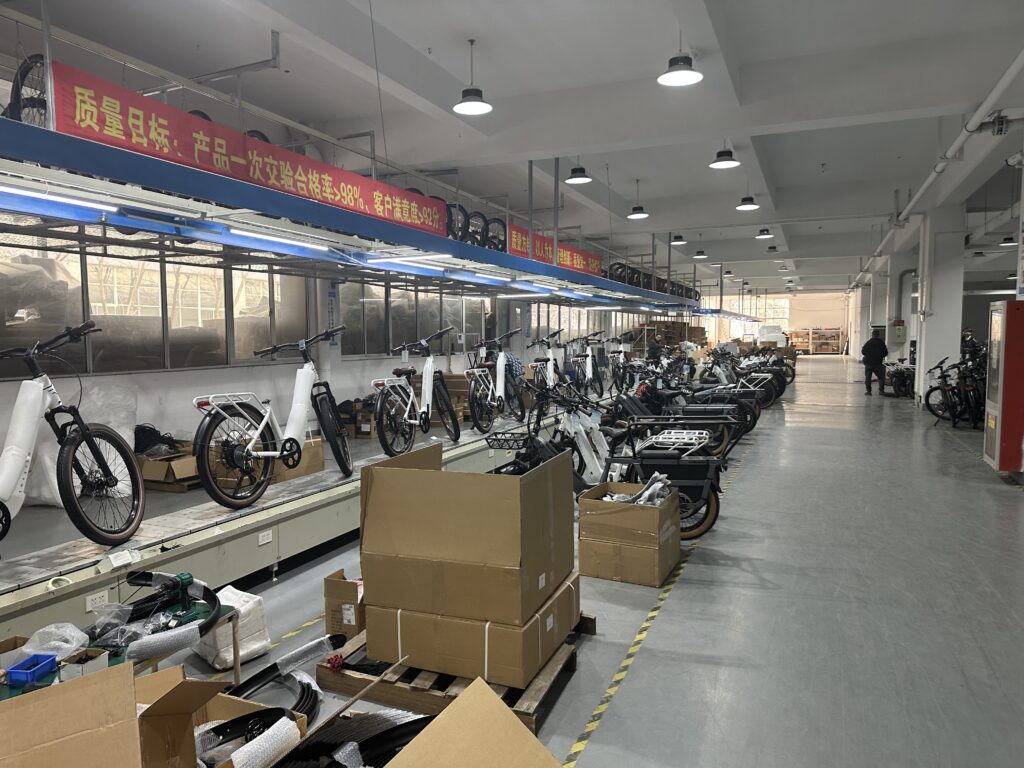
Step 1: Understanding the Market Before Designing the Bike
One of the biggest mistakes in product development is building a bike first and looking for customers later.
Before creating any design, we work with customers to identify:
- Target users
- Intended riding scenarios
- Market positioning
- Expected price range
- Key purchasing factors
For example, a food delivery company may prioritize durability, battery range, and cargo capacity.
A rental operator may focus on maintenance costs and fleet management.
A dealer may care more about appearance, profit margin, and product differentiation.
Understanding these priorities helps us avoid unnecessary features while investing in the specifications that actually matter.
Step 2: Product Concept and Technical Design
Once market requirements are clear, our engineering team begins the product planning stage.
This includes:
- Initial product concept
- Technical drawings
- Geometry design
- Component compatibility evaluation
- Performance target definition
At this stage, every major decision is linked back to the original customer requirements.
The goal is not simply to build an electric bike.
The goal is to build the right electric bike for a specific market. This is the foundation of successful custom electric bike manufacturing, where every design decision is based on the needs of the target customer rather than a generic product template.
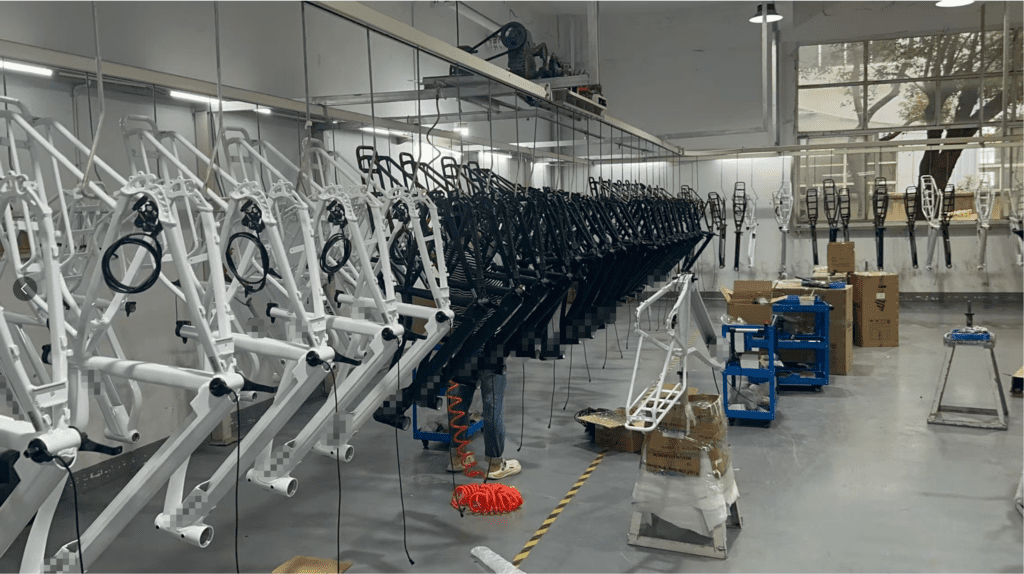
Step 3: Frame Development and Prototype Frame Production
The frame is the foundation of the entire product.
After finalizing the design, we begin frame development and produce the first prototype frame.
This stage includes:
- Structural engineering review
- Material selection
- Tooling preparation
- Prototype welding
- Initial assembly verification
The first frame prototype allows us to identify potential improvements before moving further into development.
Step 4: Refining Details Based on Customer Feedback
The first version is rarely the final version.
After reviewing the prototype, customers often request adjustments such as:
- Frame geometry changes
- Battery integration improvements
- Cargo rack modifications
- Display positioning
- Color and branding requirements
These refinements help align the product with real-world market expectations.
Small improvements during this phase often have a significant impact on customer satisfaction after launch.
Step 5: Component Selection and Cost Optimization
Selecting components is one of the most important parts of our electric bike manufacturing process.
Rather than simply choosing the most expensive parts available, we focus on balancing performance, reliability, and cost.
We typically optimize:
- Motor performance
- Battery capacity
- Brake systems
- Suspension systems
- Display functionality
- Lighting systems
At the same time, we remove unnecessary features that add cost without providing meaningful value to end users.
This approach helps customers achieve better margins while maintaining product quality.
Step 6: Building the First Complete Sample
After frame development and component selection are complete, we build the first fully functional sample.
This sample serves several purposes:
- Design validation
- Performance evaluation
- Assembly verification
- Quality inspection
- Customer review
The first complete bike provides a realistic representation of the final production model.
Step 7: Market Testing and Quality Verification
A product that performs well in a factory environment may not always perform well in the market.
For this reason, we encourage customers to conduct real-world testing before mass production.
Common evaluation areas include:
- Riding comfort
- Battery performance
- Climbing ability
- Reliability
- User feedback
- Maintenance requirements
The information collected during testing often leads to additional improvements before launch.
Step 8: Product Iteration and Final Optimization
The most successful products are rarely built in a single development cycle.
Based on test results and customer feedback, we make adjustments and improvements.
These may include:
- Mechanical upgrades
- Software updates
- Ergonomic improvements
- Component substitutions
- Cost optimization
This iterative process helps reduce risk and improve long-term market acceptance.
Step 9: Mass Production
Once the final design is approved, the project moves into mass production.
During production, we maintain strict quality control procedures to ensure consistency across every unit.
Key production activities include:
- Incoming material inspection
- Assembly process control
- Electrical system testing
- Functional inspection
- Final quality verification
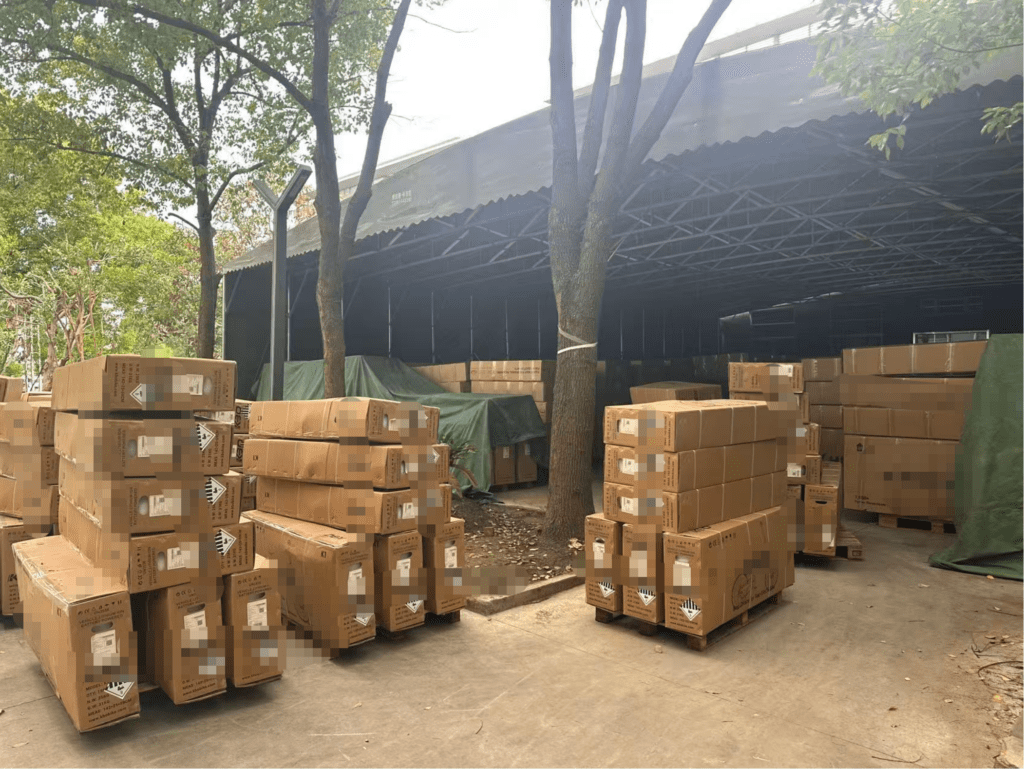
- Packaging and shipment preparation
The result is a product that is ready for commercial distribution and long-term market performance.
Who We Typically Work With
Our manufacturing process supports a wide range of business models.
Dealers and Retailers
We work with:
- Ebike dealers
- Lawn equipment dealers
- Outdoor equipment retailers
- Sporting goods stores
These customers often seek private label electric bikes and differentiated models that help them compete in local markets without investing in their own manufacturing facilities.
Fleet and Commercial Operators
We also develop products for:
- Food delivery platforms
- Tourist attractions
- Rental businesses
- Corporate campuses
- Shared mobility projects
These applications require electric bike fleet solutions focused on durability, easy maintenance, operational efficiency, and long-term reliability.on durability and operational efficiency.
Businesses Entering the Ebike Industry
Many of our customers are entrepreneurs or companies from other industries entering the ebike market.
Instead of developing products entirely from scratch, they leverage our manufacturing experience to reduce development time and lower project risk.
Final Thoughts
A successful electric bike is not created by selecting a motor and battery alone.
It is the result of a structured process that begins with market research, continues through engineering and testing, and ends with reliable mass production.
Our electric bike manufacturing process is designed to help customers build products that meet real market demands while maintaining quality, performance, and long-term commercial viability.

Leave a Reply