Introduction
If you’re searching for how to start an ebike rental business, you’re probably wondering one simple question:
Can an ebike rental business actually make money?
The short answer is yes—but only if you choose the right business model, buy reliable electric bikes, and keep maintenance costs under control.
Many new rental businesses fail not because there isn’t enough demand, but because they purchase the wrong bikes, underestimate repair costs, or don’t understand what customers actually want.
As an ebike manufacturer working with rental companies, bike shops, and fleet operators, we’ve seen what works—and what doesn’t.
This guide walks through the entire process so you can avoid expensive mistakes before buying your first fleet.
Why eBike Rentals Are Growing So Fast
The demand for electric bikes has exploded over the past few years.
Travelers prefer exploring cities without renting cars.
Hotels want to provide guests with premium transportation.
Campgrounds, resorts, universities, and tourist attractions are all adding ebike fleets.
Food delivery companies are also renting bikes instead of purchasing them.
For entrepreneurs, this creates a business with recurring revenue instead of one-time product sales.
Step 1: Choose Your Rental Business Model
Not every rental business serves the same customer.
The first decision is deciding who you’re renting to.
Tourist Rentals
Perfect for:
- Beach towns
- National parks
- Downtown attractions
- Vacation destinations
Customers usually rent by the hour or day.
Hotel Partnerships
Instead of finding customers yourself, hotels provide the traffic.
Benefits include:
- Lower marketing costs
- Stable bookings
- Long-term partnerships
Long-Term Rentals
Many commuters don’t want to buy an ebike immediately.
Monthly rental plans are becoming increasingly popular.
This model provides predictable monthly income.
Corporate Fleets
Businesses rent ebikes for employees.
Common customers include:
- Universities
- Resorts
- Business parks
- Delivery companies
Step 2: Estimate Your Startup Budget
One of the biggest misconceptions is that starting an ebike rental business requires a massive investment.
In reality, many successful operators begin with a fleet of just 20 electric bikes and expand as bookings increase.
Here’s an example of a practical startup budget:
| Item | Estimated Cost |
|---|---|
| 20 Rental eBikes | $15,000–$16,000 |
| Helmets & Locks | $600 |
| Basic Spare Parts | $500 |
| Bike Storage & Signage | $400 |
| Booking Website | $300 |
| Miscellaneous Expenses | $200 |
Estimated Total: Around $17,000
This approach allows you to test the market before investing in a larger fleet.
As your business grows, adding another 10–20 bikes is much easier than purchasing 50 bikes on day one.
Many rental businesses become profitable faster by starting lean, focusing on customer experience, and reinvesting their revenue into fleet expansion.
Step 3: Choose the Right Rental eBike
This is where many businesses make costly mistakes.
A rental bike isn’t the same as a personal bike.
Instead of looking for the most powerful motor, prioritize:
Durability
Rental bikes are used every day.
Strong aluminum frames are essential.
Easy Maintenance
Choose standardized components.
Hydraulic brakes and common tire sizes simplify repairs.
Long Battery Range
Customers dislike running out of battery halfway through a ride.
Aim for at least:
- 48V battery
- 15Ah or larger
Comfortable Riding Position
Most riders are beginners.
Step-through frames reduce accidents and improve accessibility.
Replaceable Parts
Brake pads
Tires
Displays
Controllers
Batteries
These should all be easy to replace.
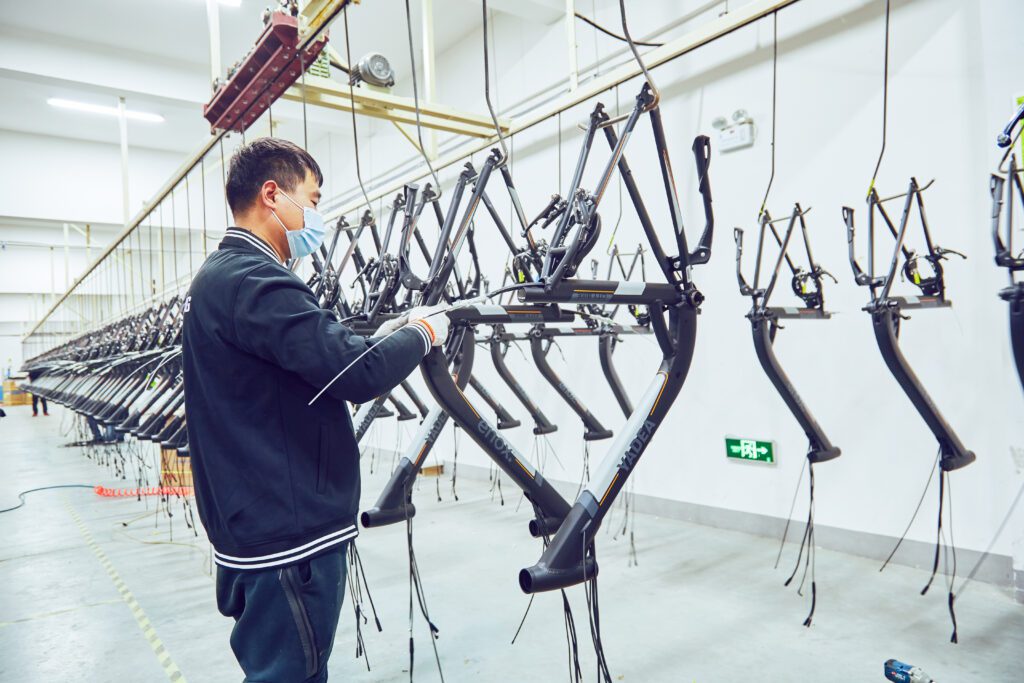
A Manufacturer’s Tip
Many new operators purchase consumer-grade bikes online because they’re inexpensive.
Unfortunately, these bikes often aren’t designed for daily commercial use.
Fleet bikes should prioritize reliability over flashy specifications.
If you’re planning to purchase multiple units, working with an experienced Electric Bike Manufacturer can significantly reduce long-term operating costs.
Step 4: Understand Local Regulations
Before launching your business, check local regulations regarding:
- Business licenses
- Liability insurance
- Helmet laws
- Speed limits
- Age restrictions
- Riding areas
Different cities have different rules.
Understanding these regulations early can prevent costly legal issues.
Step 5: Create a Maintenance Schedule
Maintenance determines whether your fleet stays profitable.
Inspect every bike after each rental.
Weekly checks should include:
- Tire pressure
- Brake adjustment
- Battery charging
- Bolt tightening
- Chain lubrication
Keeping maintenance records also helps identify recurring problems before they become expensive repairs.
Step 6: Use Online Booking Software
Customers expect online reservations.
Your website should allow visitors to:
- Reserve bikes
- Pay online
- Sign waivers
- Select rental duration
The easier the booking process, the higher your conversion rate.
Step 7: Market Your Rental Business
Many rental companies rely only on Google Maps.
Successful businesses diversify their marketing.
Consider:
- Google Business Profile
- TikTok
- Local tourism websites
- Hotels
- Travel bloggers
- Airbnb hosts
Encourage satisfied customers to leave reviews.
Positive reviews often become your best marketing asset.
Common Mistakes New Rental Businesses Make
Buying the cheapest bikes
Ignoring maintenance
Not stocking spare batteries
Choosing difficult-to-repair components
Underpricing rentals
Skipping insurance
Poor customer instructions
Avoiding these mistakes can save thousands of dollars in the first year.
Should You Buy Ready-Made Bikes or Customize Your Fleet?
As your business grows, customization becomes increasingly valuable.
Fleet operators often request:
- Custom branding
- Company colors
- Larger batteries
- GPS integration
- Front baskets
- Rear racks
- Cargo accessories
Working directly with an OEM Electric Bike Manufacturer allows businesses to build bikes specifically designed for rental operations rather than adapting consumer models.
Final Thoughts
Starting an ebike rental business isn’t just about purchasing electric bikes.
Success depends on choosing reliable equipment, controlling maintenance costs, understanding your local market, and delivering a great customer experience.
Whether you’re launching a tourist rental service, partnering with hotels, or building a corporate fleet, investing in commercial-grade ebikes from the beginning can make the difference between constant repairs and long-term profitability.
If you’re planning to purchase rental bikes in bulk, selecting a manufacturer with OEM and customization experience can help reduce operating costs while creating a fleet that stands out from the competition.

Leave a Reply