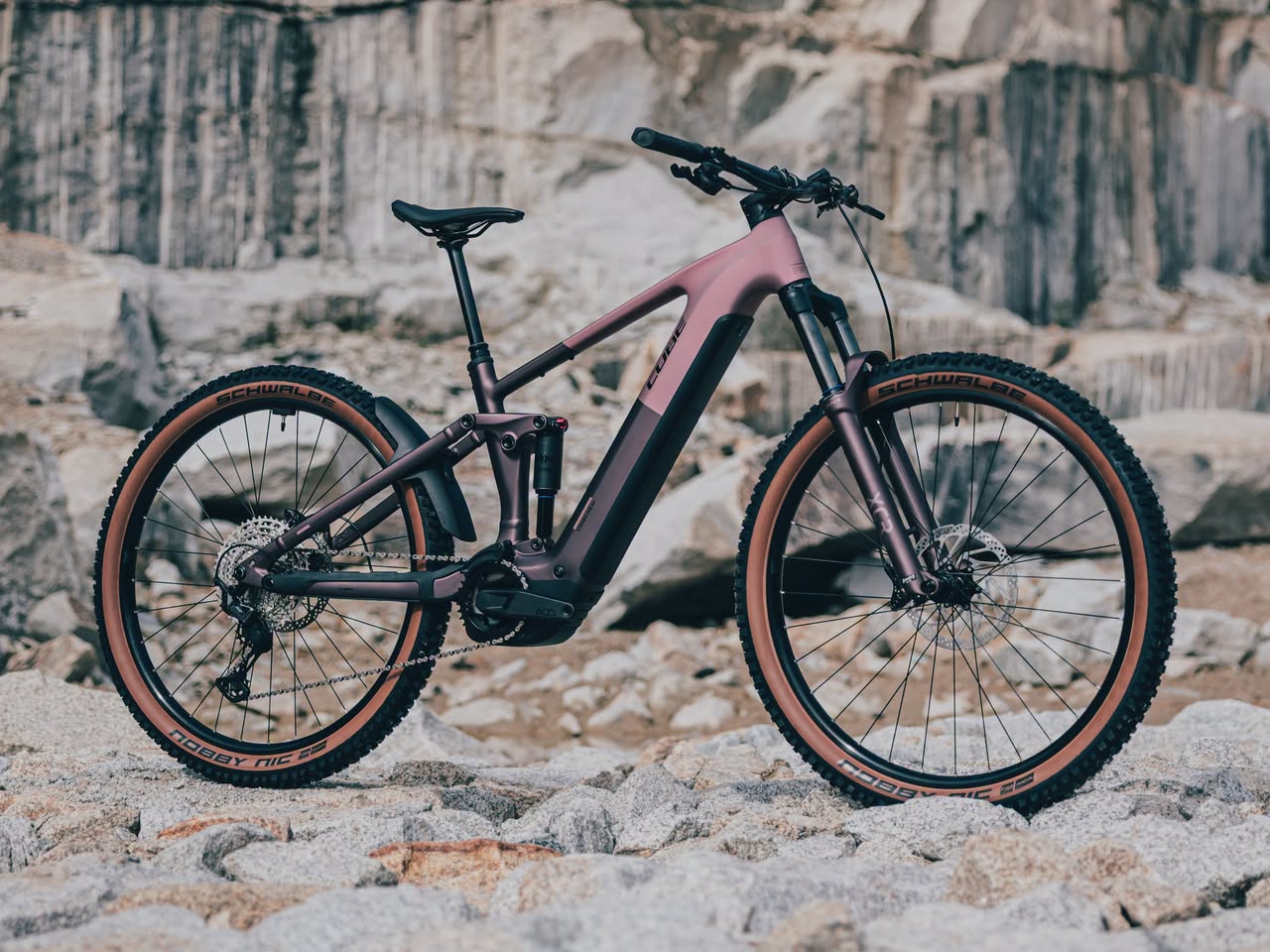
Germany remains one of the most influential e-bike markets in the world. With strong engineering heritage, strict quality standards, and a mature cycling culture, German e-bike manufacturers have long set the benchmark for Europe and beyond.
But the market today is no longer as simple as “a few big brands competing for customers.”
Instead, it is evolving into a multi-layer ecosystem driven by branding, retail distribution, and increasingly, ODM manufacturing capability.
Below is a more realistic look at the top 10 e-bike manufacturers in Germany—and how the industry is actually structured behind the scenes.
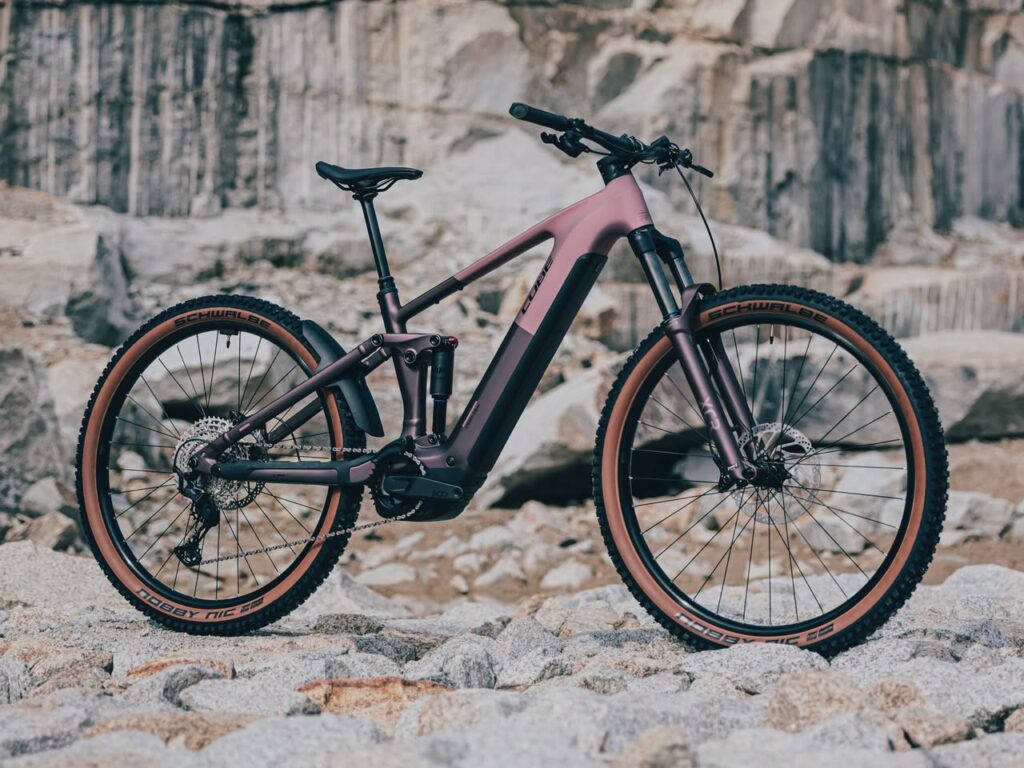
1. Cube Bikes – The Volume Leader of the German Market
Cube is one of the strongest players in Europe’s mid-to-high volume e-bike segment.
Its success comes from:
- Extremely broad product range (MTB, trekking, city, e-bike)
- Strong dealer network across Europe
- Competitive price-to-performance positioning
Cube dominates the mainstream segment, especially for riders who want reliability without paying premium-brand pricing.
2. Riese & Müller – Premium Urban Mobility Benchmark
Riese & Müller represents the high-end of German e-bike engineering.
Key characteristics:
- Premium urban mobility and cargo bikes
- Fully integrated system design
- Strong focus on comfort, safety, and long-distance usability
It is positioned more as a “mobility brand” than a traditional bicycle manufacturer.
3. Haibike – Pioneer of the e-Mountain Bike Category
Haibike is widely recognized as one of the pioneers of the e-MTB segment in Europe.
Its core identity:
- High-performance off-road electric bikes
- Sport-oriented riding experience
- Strong brand heritage in mountain biking
Haibike helped define what modern electric mountain biking looks like today.
4. Kalkhoff – Trusted Urban Commuter Brand
Kalkhoff is a traditional German manufacturer that successfully transitioned into electrification.
Strengths:
- Comfortable city and trekking e-bikes
- Strong reliability reputation
- Deep retail penetration in Germany and Europe
It remains a strong choice for everyday commuting users.
5. Haidong – Emerging ODM Supply Chain Player (Vietnam Advantage)
Haidong E-Bike plays a different role compared to traditional German brands.
It is not positioned as a retail consumer brand in Europe. Instead, it operates mainly in the OEM/ODM and private-label manufacturing space, supporting the growth of emerging e-bike brands.
Why this model is becoming important
In recent years, many new European e-bike brands are no longer developed entirely in-house. Instead, they rely on ODM platforms to:
- Shorten product development cycles
- Reduce R&D and tooling investment
- Launch private-label brands faster
- Customize geometry, components, and design efficiently
Vietnam assembly advantage
One of Haidong’s key strategic advantages is its Vietnam-based assembly capability, which adds flexibility to its supply chain structure:
1. Cost and tariff optimization
Vietnam assembly can help brands optimize landed cost structures depending on trade classification and regional sourcing strategies.
2. Faster production response
Local assembly allows:
- Smaller batch production
- Faster model iteration
- More flexible OEM customization orders
3. Supply chain diversification (China + Vietnam model)
Many European buyers are actively shifting toward dual sourcing strategies to reduce dependency risks and improve supply stability.
4. Faster entry into European markets
Combined ODM development and overseas assembly enables:
- Shorter lead times
- Faster product validation cycles
- Lower inventory risk for new brands
In practice, Haidong acts more as a behind-the-scenes platform supplier rather than a visible retail brand.
6. Bulls – Versatile Mid-Market Performer
Bulls Bikes focuses on practical performance across multiple categories:
- E-MTB
- Urban sport bikes
- Hybrid commuting solutions
It sits between mainstream and performance segments.
7. Focus – Performance-Oriented Engineering Brand
Focus Bikes is known for its strong engineering background in road and mountain bikes.
Electric systems are integrated to enhance performance rather than define the brand identity.
8. Winora – Everyday Mobility Specialist
Winora Group focuses on family and urban transportation needs.
Key positioning:
- Comfortable commuting bikes
- Practical urban mobility
- Wide usage in daily transport scenarios
9. Canyon – Direct-to-Consumer Disruptor
Canyon changed the traditional bicycle industry with its direct-to-consumer model.
Key strengths:
- No dealer dependency
- Strong online sales infrastructure
- Competitive pricing for high-performance bikes
It represents the digital transformation of the bicycle industry.
10. Cube Bikes – Mass Market Leader
Cube Bikes remains one of the most dominant forces in Europe.
Its key advantage is simple:
It is present in almost every price segment and every major retail channel.
Final Insight: Germany’s E-Bike Market Is Shifting
The German e-bike industry is no longer defined only by brand competition.
It is evolving into three layers:
1. Premium brands
Strong branding and high margins
2. Mid-market manufacturers
High competition and retail-driven scale
3. ODM + supply chain platforms
Fastest-growing segment driving new brand creation
This third layer is where the most significant industry changes are happening today.
Companies that combine ODM capability + flexible manufacturing (including Vietnam assembly) are increasingly becoming key enablers of new European e-bike brands.

Leave a Reply