
Introduction: Why Electric Bikes Are Transforming Food Delivery
The global food delivery industry continues to grow rapidly, driven by platforms such as Uber Eats, DoorDash, Deliveroo, and regional logistics providers. According to Statista, the online food delivery market is expected to exceed $1.4 trillion globally by 2027, with last-mile delivery being the most cost-intensive segment.
In this context, electric bikes for food delivery have become the most efficient solution for urban logistics. Compared to motorcycles or vans, e-bikes reduce fuel cost, improve delivery flexibility, and allow operators to scale fleets with lower capital investment.
For B2B buyers—such as delivery platforms, fleet operators, and regional distributors—the key question is not whether to adopt e-bikes, but how to choose the right OEM partner and configuration for long-term operations.
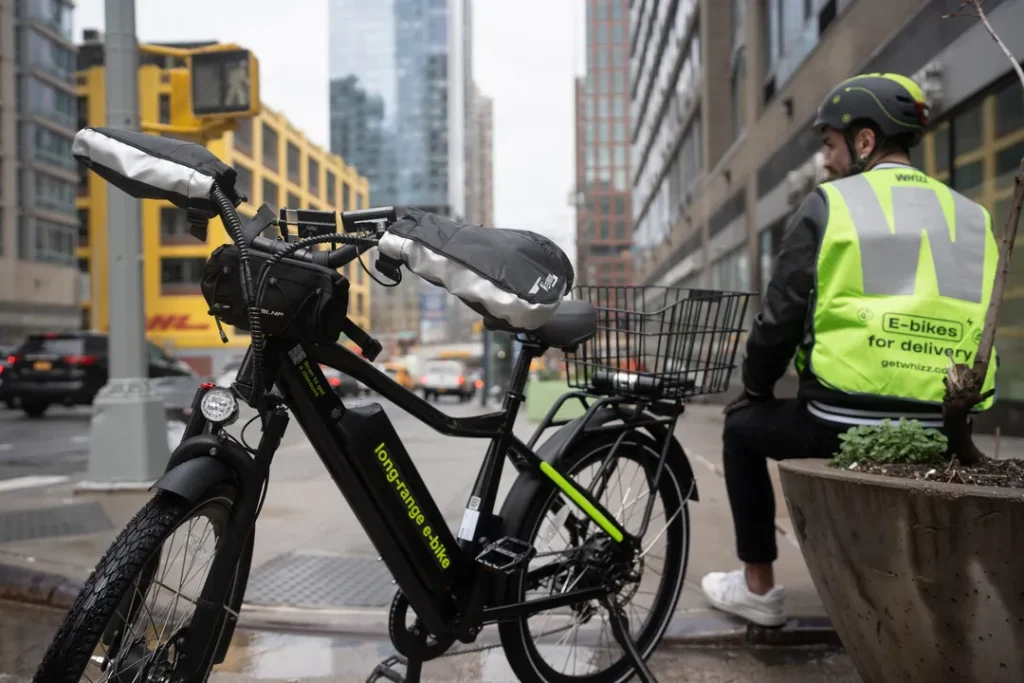
Market Demand: Why Fleet Operators Are Switching to E-Bikes
The adoption of electric cargo bikes in logistics is accelerating across Europe and North America.
Key industry insights:
- The European cargo bike market is growing at over 10–12% CAGR (European Cyclists’ Federation data)
- Last-mile delivery accounts for up to 53% of total logistics cost in urban areas
- Fleet electrification reduces operational cost by 30–50% compared to fuel-based vehicles
This shift is especially visible in:
- Food delivery platforms
- Grocery delivery fleets
- Urban courier services
- Shared mobility operators
For these businesses, scalability and maintenance cost are more important than single-unit price.
What Defines a Reliable Electric Delivery Bike
A professional electric cargo bike for delivery is not a consumer product. It is a commercial tool designed for high-frequency daily use.
Based on fleet experience, the key performance factors include:
1. Battery System & Range Stability
Typical requirement for delivery operations:
- Range: 50–80 km per charge
- High cycle-life battery cells (500–1000 cycles minimum)
- Optional spare battery system for shift operation
Battery quality directly affects uptime. Many fleet operators choose standardized lithium systems to reduce failure risk and simplify replacement.
2. Motor & Drive System Reliability
For delivery use, consistency is more important than peak power.
Common configurations:
- 250W–750W hub motor systems (EU/US compliant)
- Integrated controller system for reduced failure rate
- Torque-focused tuning for cargo load
Stable motor output ensures predictable performance under full load conditions.
3. Frame Structure: Steel vs Aluminum
Two main configurations are widely used:
- Steel frame
- Higher durability
- Better impact resistance
- Slightly heavier
- Aluminum alloy frame
- Lighter weight
- Easier handling
- More flexible design structure
For delivery fleets, durability and maintenance cost usually outweigh weight concerns.
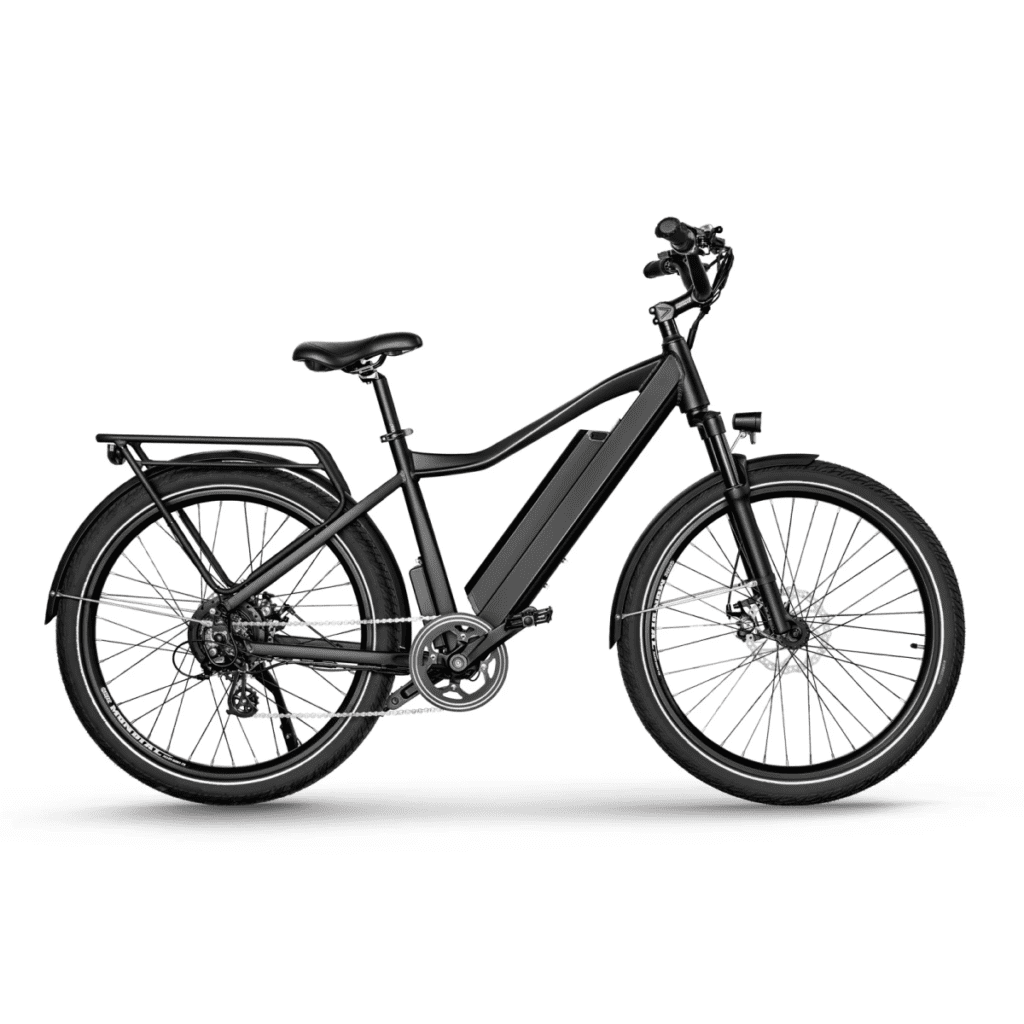
4. Brake System for Fleet Safety
Brake system selection is critical in high-frequency urban use.
Options include:
- Mechanical disc brakes (basic fleet use)
- Hydraulic disc brakes (recommended for commercial fleets)
Hydraulic systems provide:
- Shorter braking distance
- Better load stability
- Optional motor cut-off safety function
For food delivery operations, safety and rider efficiency are directly linked to braking performance.
5. Suspension & Riding Efficiency
Delivery riders operate 6–10 hours per day in urban environments.
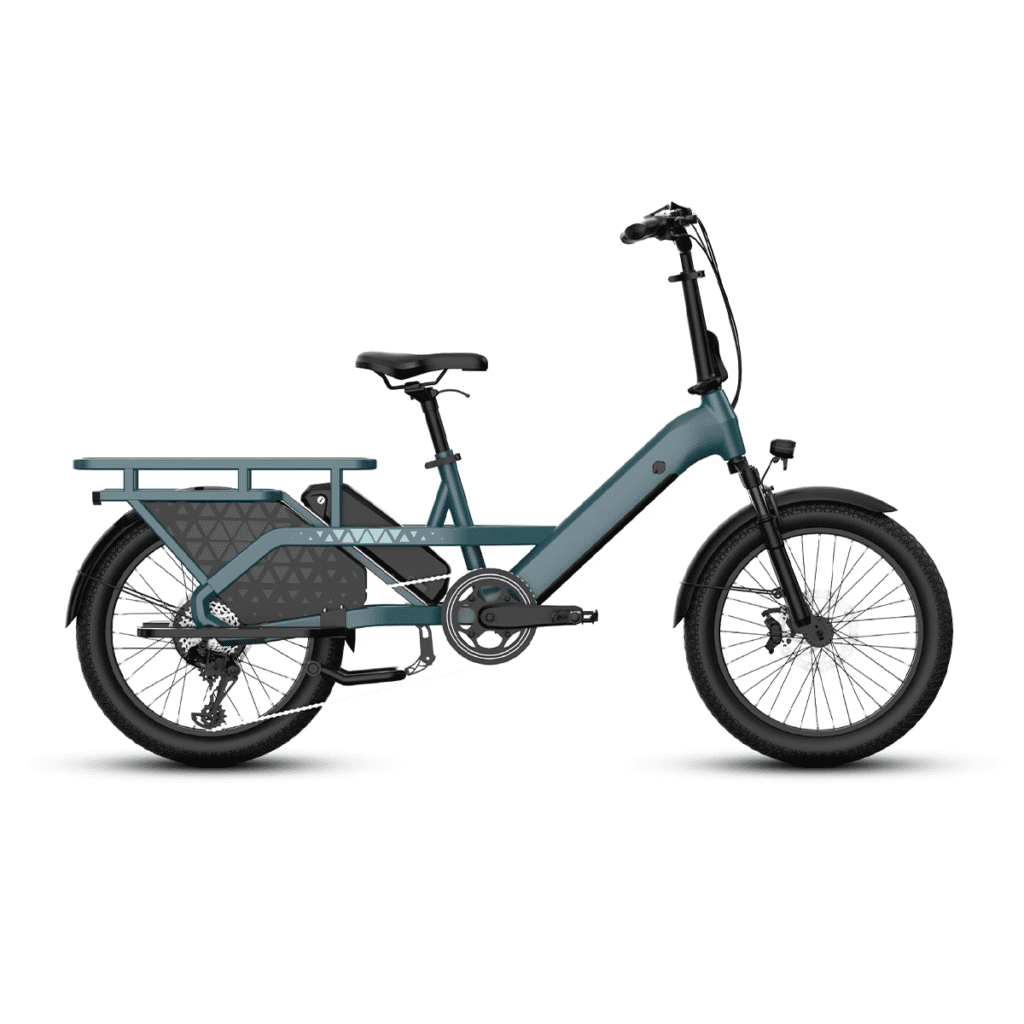
Suspension options:
- Standard fork: cost-efficient, basic performance
- Mid/high-end suspension: improved shock absorption, reduced rider fatigue
In long-term fleet operations, rider comfort improves productivity and reduces turnover.
OEM & Customization Capability for Fleet Buyers
For B2B customers, flexibility is essential.
Our production system supports:
- Small batch OEM (30–200 units per model)
- Custom branding (logo, frame design, packaging)
- Component adjustment based on market requirements
- Multi-market compliance adaptation (EU / US standards)
This allows distributors and fleet operators to test markets with controlled investment before scaling.
After-Sales Support & Overseas Spare Parts System
One of the key challenges in fleet operations is downtime.
To solve this, we maintain:
- Spare parts inventory in Europe and the United States
- Fast response replacement system for key components
- Technical support for distributors and fleet partners
This structure helps reduce operational interruption and ensures stable fleet performance in daily delivery operations.
Recommended Configuration for Food Delivery Fleets
Based on existing fleet projects, a balanced configuration includes:
- 60 km average range battery system
- Reinforced frame structure (steel or hybrid)
- Cargo-optimized frame geometry
- Hydraulic disc braking system
- Modular battery replacement system
- Simplified maintenance design
This configuration is designed to balance:
cost efficiency + durability + daily operational stability
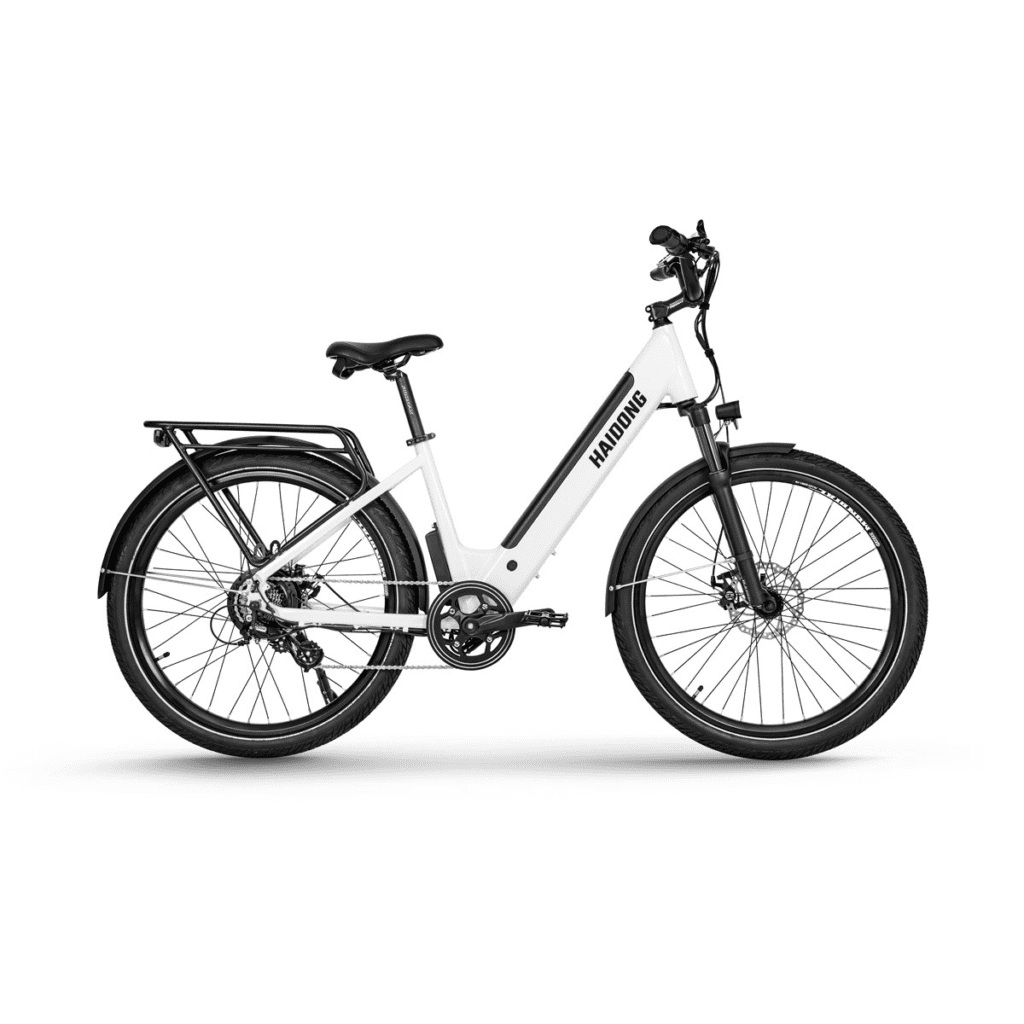
Why OEM Partnership Matters in This Industry
Unlike consumer e-bikes, delivery fleets require long-term cooperation with manufacturers.
A stable OEM partner should provide:
- Consistent production quality
- Flexible customization capability
- Spare parts availability
- Technical support for scaling fleets
In fast-growing delivery markets, supplier reliability often determines fleet profitability more than unit cost.
Conclusion: Building Scalable Delivery Fleets with the Right Partner
The demand for electric bikes for food delivery will continue to grow as cities push for cleaner and more efficient logistics solutions.
For fleet operators, success depends on choosing a manufacturing partner who can support:
- scalable production
- stable performance
- fast after-sales response
- and OEM customization flexibility
If you are planning to build or expand a delivery fleet, selecting the right electric bike manufacturer is the foundation of long-term operational success.

Leave a Reply