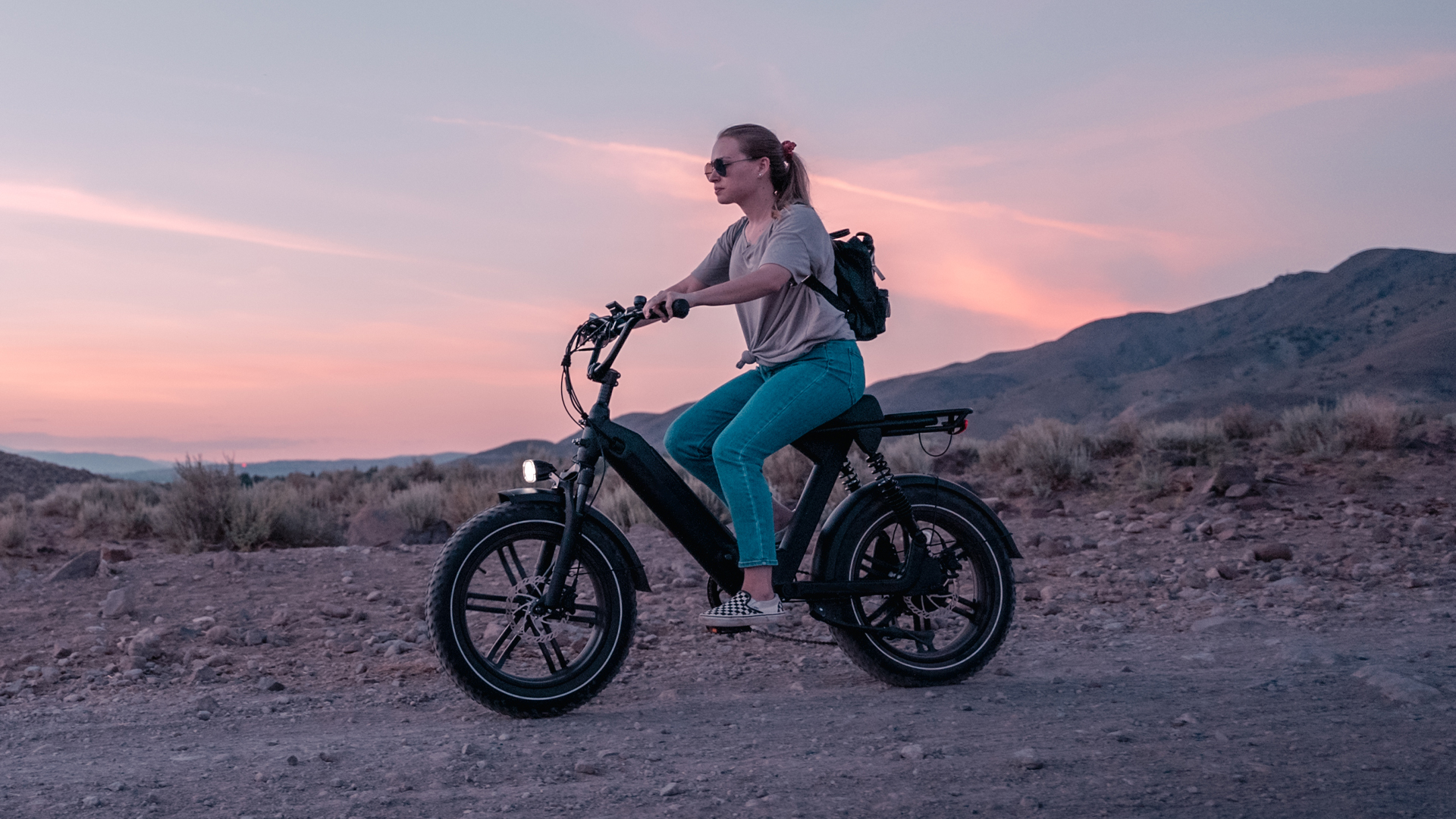
Buying an electric bike is not as simple as choosing the model with the biggest battery or the most powerful motor. There are many different types of e-bikes on the market, and the right choice depends on where you ride, how often you use the bike, and what you expect from it.
If you are buying your first e-bike, this electric bike buying guide will walk you through the most important things to consider before placing an order.
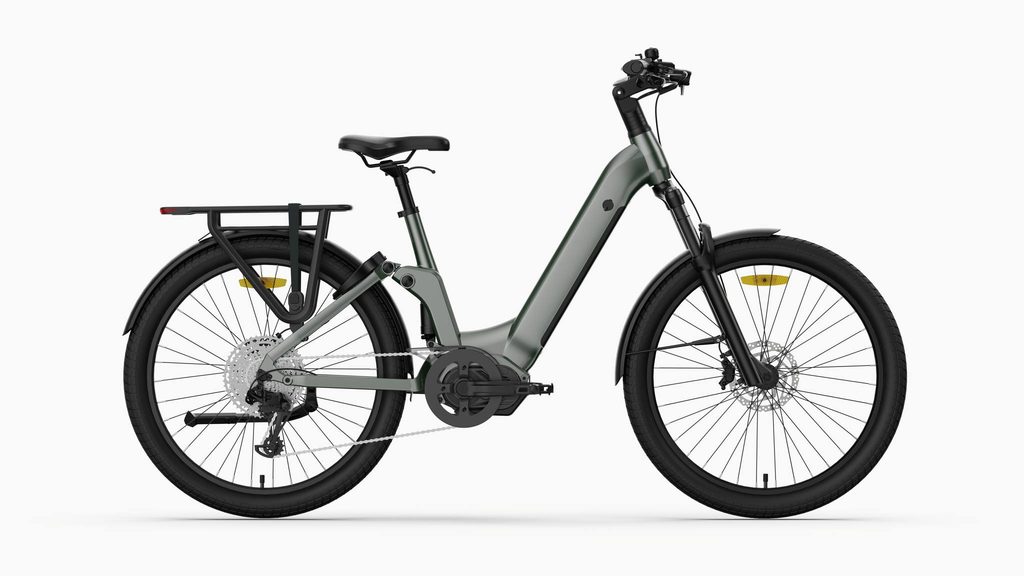
1. Decide How You Will Use Your Electric Bike
The best electric bike for you depends on your riding needs.
Before looking at specifications, think about how you plan to use the bike.
For example:
- Commuting to work
- Weekend recreational riding
- Long-distance cycling
- Riding on gravel or mountain trails
- Carrying children or cargo
- Riding on beaches or loose surfaces
- Replacing a car for short urban trips
A city commuter may only need a lightweight frame, a comfortable riding position and a moderate battery. On the other hand, someone riding on hills or off-road terrain may want more torque, wider tires and a larger battery.
For businesses, the requirements are different again. Dealers and distributors may need an e-bike that can be customized with their own logo, components and colors.
2. Choose the Right Type of E-Bike
Electric bikes come in several categories. Understanding the differences can make your buying decision much easier.
City and Commuter E-Bikes
Commuter e-bikes are designed for everyday transportation. They usually prioritize comfort, efficiency and practicality.
Features such as integrated lights, fenders, rear racks and comfortable saddles can be more important than maximum motor power.
Mountain E-Bikes
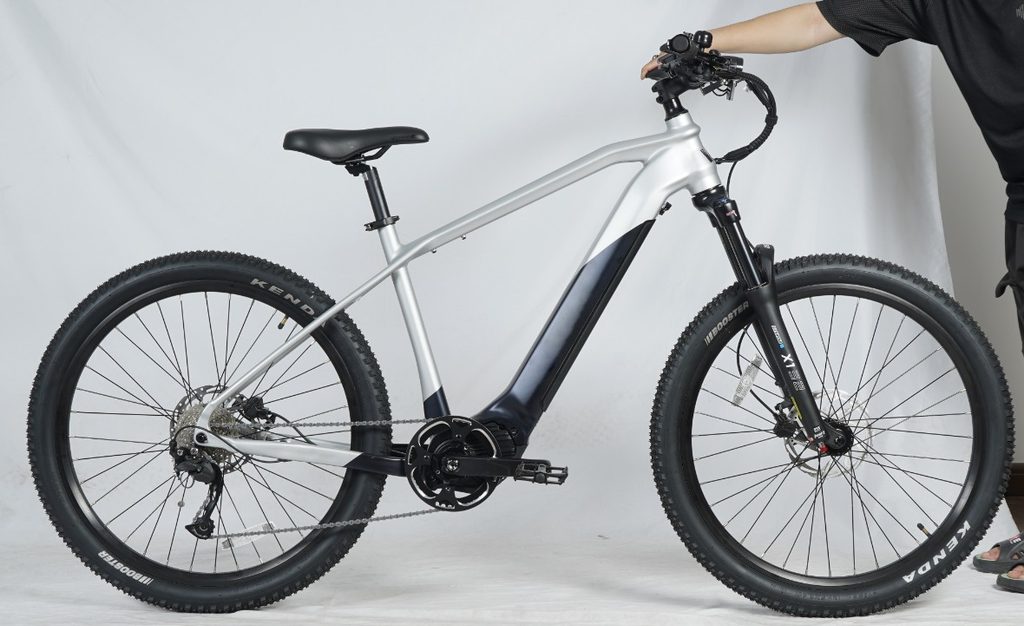
Electric mountain bikes are designed for trails and uneven terrain. They generally have stronger frames, suspension systems and tires designed for off-road riding.
If you regularly ride steep hills or technical trails, pay close attention to motor torque rather than looking only at the wattage.
Fat Tire E-Bikes
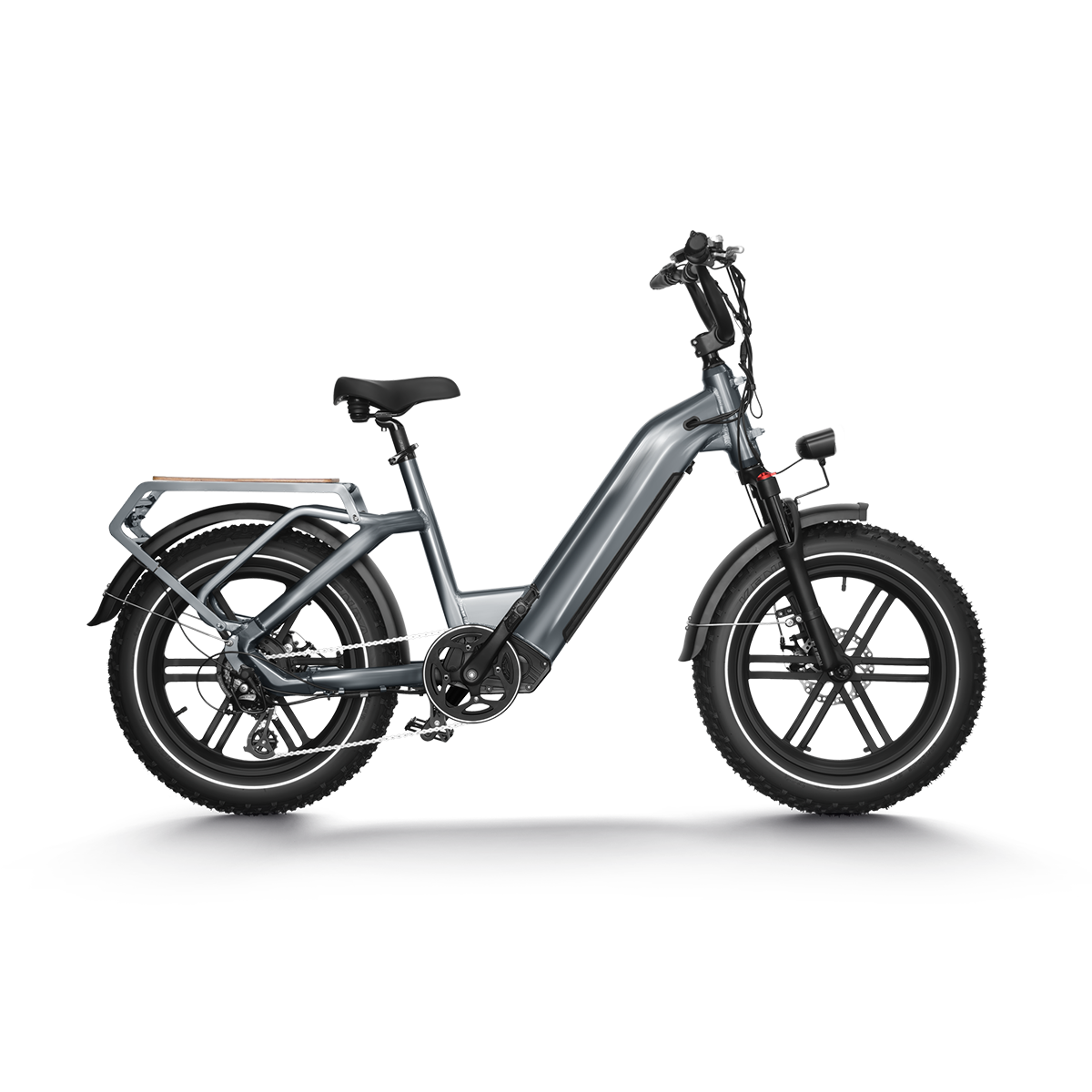
Fat tire electric bikes use wide tires that provide additional traction and stability.
They are popular for riders who want a more comfortable ride on sand, gravel, snow or rough roads. The wider tires can also make the bike feel more stable for heavier riders.
Cargo E-Bikes
Cargo e-bikes are designed to carry additional weight. They can be useful for families, delivery businesses and small commercial operations.
When choosing a cargo bike, check the maximum payload, rear rack capacity, frame strength and braking system.
3. Understand Motor Power
Motor power is one of the specifications that attracts the most attention when shopping for an e-bike.
You may see motors rated at 250W, 500W, 750W, 1000W or more.
However, a higher wattage does not automatically mean a better electric bike.
Motor performance also depends on:
- Motor torque
- Controller output
- Battery voltage
- Rider weight
- Terrain
- Wheel size
- Overall bike weight
Torque is particularly important when riding uphill or carrying additional weight.
For example, a 250W European-compliant e-bike with a good torque sensor and efficient motor system can provide a very different riding experience from a basic 250W system.
Always check the regulations in your target market before choosing a motor. E-bike power and speed regulations vary between countries and regions.
4. Battery Capacity and Range
The battery is another major factor in an electric bike buying decision.
Battery capacity is usually measured in watt-hours (Wh).
A simple way to understand it is:
Battery Voltage × Amp Hours = Watt Hours
For example:
48V × 15Ah = 720Wh
48V × 20Ah = 960Wh
In general, a larger battery can provide more energy, but actual range depends on many factors.
These include:
- Rider weight
- Riding speed
- Assist level
- Terrain
- Wind
- Tire pressure
- Temperature
- Motor efficiency
Therefore, manufacturers’ claimed range should be treated as an estimate rather than a guaranteed distance.
If you mainly ride short urban trips, a smaller battery may be enough. If you regularly ride long distances, carry cargo or ride in hilly areas, a larger battery can be worth the additional weight and cost.
5. Look at the Battery Cell Quality
Battery capacity is important, but capacity isn’t the only thing that matters.
The quality of the battery cells and battery management system can affect performance, reliability and long-term battery life.
When comparing two e-bikes with similar battery capacities, ask about:
- Battery cell manufacturer
- Battery management system
- Battery certification
- Charging system
- Removable or integrated battery design
- Replacement battery availability
For commercial buyers, battery certification can be particularly important because different markets may have specific requirements for transportation, insurance and retail sales.
6. Mid-Drive vs. Hub Motor
Most electric bikes use either a hub motor or a mid-drive motor.
A hub motor is installed in the front or rear wheel. It is relatively simple and can offer good value for money.
A mid-drive motor is positioned around the bicycle’s crank area. Because the motor drives through the bicycle’s drivetrain, it can provide a more natural riding experience and perform well on hills.
Neither system is automatically better for every rider.
A commuter looking for a simple and affordable e-bike may prefer a hub motor, while a rider who frequently climbs steep hills may appreciate the characteristics of a mid-drive system.
7. Check the Brakes
Brakes are something you should never overlook.
A heavier electric bike traveling at higher speeds needs an effective braking system.
Hydraulic disc brakes generally provide strong braking performance and good modulation. Mechanical disc brakes can also be a practical option, particularly for simpler and more budget-friendly bikes.
When comparing bikes, consider:
- Rotor size
- Number of pistons
- Hydraulic or mechanical system
- Brake lever feel
- Replacement parts availability
If the bike is heavy, powerful or designed for carrying cargo, a stronger braking system becomes even more important.
8. Suspension and Ride Comfort
Not every e-bike needs full suspension.
For city riding on relatively smooth roads, a rigid frame or front suspension may be perfectly adequate.
For gravel roads, trails and rough terrain, suspension can significantly improve comfort and control.
If you are considering a mountain e-bike, look at the quality of the fork and rear shock rather than simply choosing a bike because it has “full suspension” in the product description.
9. Choose the Right Tire Size
Tire size can have a noticeable effect on how an e-bike feels.
Common tire sizes include 20, 26, 27.5 and 29 inches, while fat tire models often use tires around 4 inches wide.
Smaller wheels can make a bike easier to maneuver, while larger wheels can roll efficiently over obstacles.
For off-road use, tire tread and width are also important.
Think about the roads and trails you will actually ride instead of simply choosing the largest tire available.
10. Consider the Frame Size and Riding Position
A good electric bike should feel comfortable after more than just a few minutes of riding.
Check:
- Frame size
- Standover height
- Saddle height adjustment
- Handlebar position
- Reach
- Step-through or step-over frame design
If several people will share the same bike, an adjustable design may be more practical.
For older riders or people who have difficulty lifting their leg over a traditional frame, a step-through electric bike can be easier to mount and dismount.
11. Check the E-Bike’s Legal Requirements
This is especially important if you are buying an e-bike for use in another country.
Different markets have different rules regarding:
- Motor power
- Maximum assisted speed
- Throttle use
- Pedal assistance
- Lighting
- Reflectors
- Safety equipment
- Battery certification
For example, an e-bike configuration that is suitable for one market may not meet the requirements of another.
Before importing or selling an electric bike, check the regulations that apply to your specific location.
For businesses, it is also important to confirm which certifications are required before placing a large order.
12. Don’t Buy Based on Price Alone
The cheapest e-bike is not necessarily the best deal.
A low purchase price can sometimes mean compromises in the battery, motor, brakes, suspension, drivetrain or frame components.
Instead of comparing only the retail price, compare the complete specification.
Look at:
Motor + Battery + Brakes + Components + Frame + Warranty + After-sales support
A slightly more expensive bike can be better value if it offers better components and more reliable long-term support.
13. What Should You Ask an E-Bike Manufacturer?
If you are purchasing one bike for yourself, you may only need basic product information.
If you are buying for a store, dealership or e-bike business, you should ask more detailed questions.
Useful questions include:
- What is the MOQ?
- Can the bike be customized?
- Can I add my own logo?
- Can the battery capacity be changed?
- Can the motor be changed?
- What certifications are available?
- What is the warranty period?
- What is the production lead time?
- Are spare parts available?
- Can you provide samples before a bulk order?
For businesses looking for a long-term supplier, these questions can be just as important as the initial unit price.
14. OEM and Private Label E-Bikes
If you are building your own e-bike brand, you don’t necessarily need to develop an entirely new bicycle from scratch.
An experienced manufacturer can often provide an existing platform and customize selected components according to your requirements.
Depending on the manufacturer, customization may include:
- Brand logo
- Frame color
- Battery capacity
- Motor configuration
- Display
- Tires
- Saddle
- Rear rack
- Lighting
- Packaging
- Accessories
This approach can reduce development costs and shorten the time required to launch a new e-bike.
If you are looking for a supplier, choosing an experienced OEM electric bike manufacturer can be a practical starting point.
15. Electric Bike Buying Guide for Businesses
For wholesalers, distributors and bike shops, buying an e-bike is different from buying one for personal use.
You need to consider the complete business model.
A good supplier should be able to support you with product customization, spare parts, technical information, packaging and after-sales service.
You should also calculate the landed cost rather than looking only at the factory price.
Your actual cost may include:
Product Cost + Packaging + Shipping + Duties + Taxes + Warehouse + After-Sales Costs
This calculation will give you a much clearer idea of your potential profit margin.
For retailers interested in building their own brand, private label electric bikes can also be an option.
16. Final Checklist Before Buying an E-Bike
Before placing your order, use this quick checklist:
Motor
- Is the power suitable for your local regulations?
- Is the torque sufficient for your riding conditions?
Battery
- What is the Wh capacity?
- What cells are used?
- Is the battery certified?
- Is a replacement battery available?
Brakes
- Are hydraulic disc brakes necessary for your use?
- Is the braking system suitable for the bike’s weight and speed?
Frame
- Is the frame size suitable?
- Is the riding position comfortable?
- Is the frame designed for your intended use?
Tires
- Are the tires suitable for your roads or trails?
- Do you need fat tires or standard tires?
Features
- Do you need a torque sensor?
- Is suspension necessary?
- Do you need a rear rack, fenders or lights?
Supplier
- What is the warranty?
- What is the MOQ?
- What is the production time?
- Are spare parts available?
- Can the bike be customized?
Conclusion
Choosing an electric bike doesn’t have to be complicated.
Start with how you plan to use the bike, then compare the motor, battery, brakes, frame, tires and components. Most importantly, make sure the bike meets the regulations where you intend to ride or sell it.
For individual riders, the right e-bike is the one that fits your riding habits and budget.
For businesses, the right supplier should offer not only competitive pricing but also reliable manufacturing, customization options, certifications and after-sales support.
Take the time to compare the complete package rather than focusing on one specification. That is the best way to find an electric bike that makes sense for the long term.

Leave a Reply