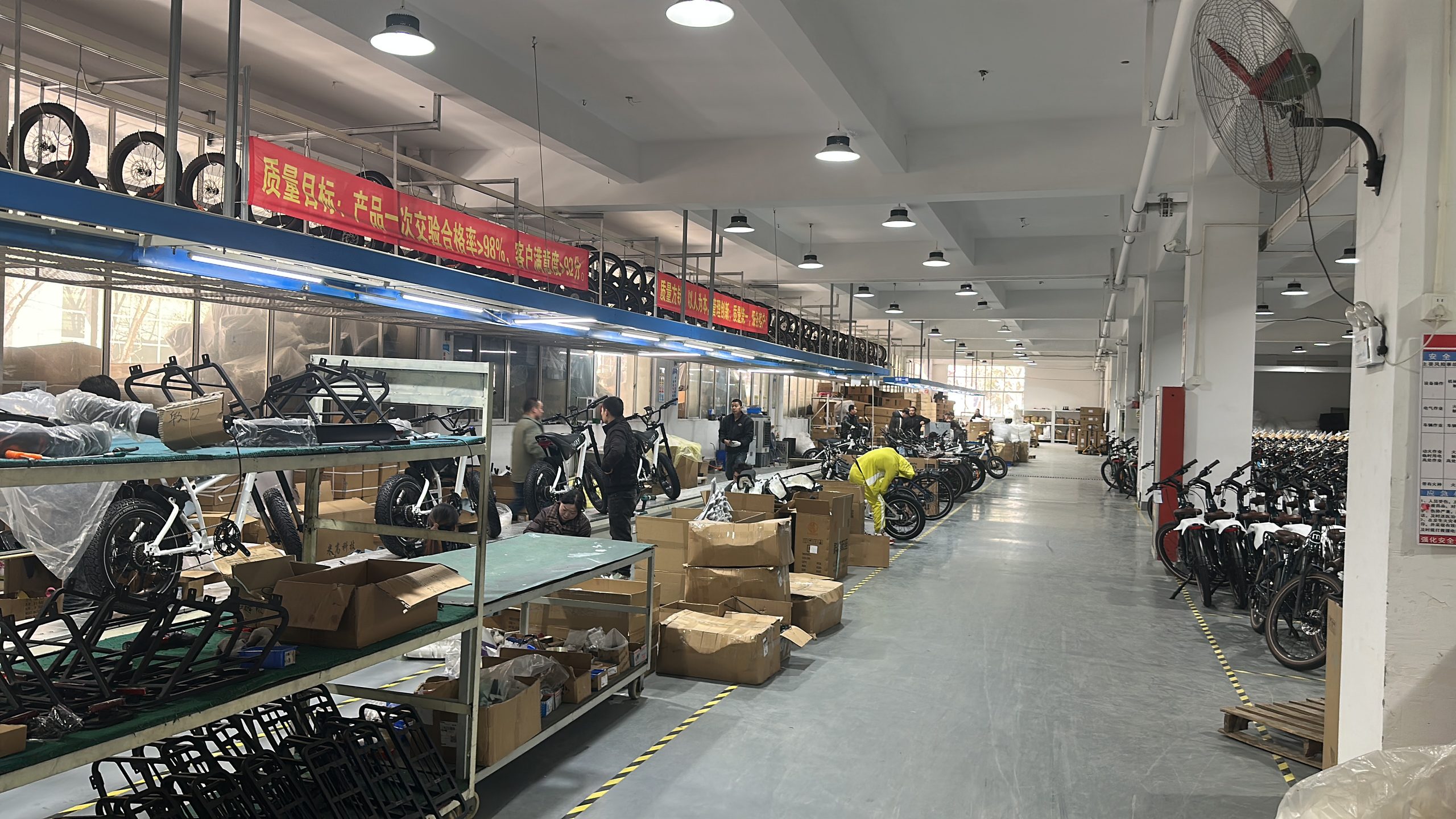
The electric bike market has created new opportunities for bike shops, distributors, online retailers, and new brands. However, starting an e-bike business is not simply about finding a bike and putting a logo on it.
Product quality, factory support, pricing, customization, certification, shipping, and after-sales service all have an impact on whether an e-bike business can grow successfully.
This is why finding the right electric bike business partnership is important for companies that want to build a long-term e-bike business.
Why an Electric Bike Business Partnership Matters
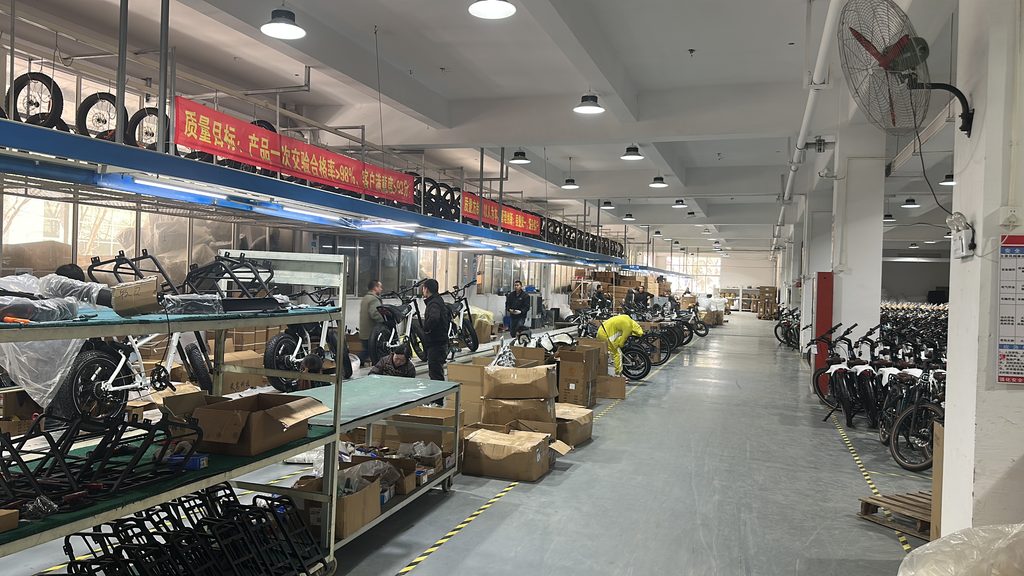
For a new e-bike brand, working directly with an experienced manufacturer can make product development much easier.
Instead of purchasing standard products from a trading company, businesses can communicate directly with the factory about the specifications they need. This can include the motor, battery, controller, display, brakes, tires, frame, accessories, and branding.
It also makes it easier to make changes when the product needs to be adapted for a specific market.
For example, a company selling e-bikes in the United States may need a different motor and speed configuration from a company selling in Europe or Canada. Battery certification and electrical requirements may also be different.
A good manufacturing partner should be able to discuss these requirements before production starts.
Working With an Electric Bike Manufacturer
Choosing the right manufacturer is one of the most important decisions for an e-bike business.
A factory with its own engineering and production capabilities can usually provide more flexibility than a company that simply sources finished bikes from different suppliers.
When evaluating an electric bike manufacturer, businesses should look at more than the factory price.
Important factors include:
- Manufacturing experience
- Production capacity
- Product quality
- Component suppliers
- OEM and ODM capabilities
- Customization options
- Certification
- Minimum order quantity
- Production lead time
- Spare parts availability
- Warranty support
Good communication is also important. During product development, there will often be questions about specifications, packaging, testing, and production. A manufacturer that can respond quickly can help prevent unnecessary delays.
OEM Electric Bike Partnerships
OEM is a practical option for companies that want to create their own branded e-bike without developing a completely new bicycle from scratch.
An existing bike platform can be used as the starting point, while selected components and branding can be changed according to the customer’s requirements.
Depending on the model, OEM customization may include:
- Brand logo
- Frame color
- Battery capacity
- Motor power
- Controller
- Display
- Torque sensor
- Brakes
- Tires
- Saddle
- Rear rack
- Fenders
- Lights
- Packaging
- User manuals
This approach can reduce development time and make it easier for a new company to launch its first product.
ODM E-Bike Development
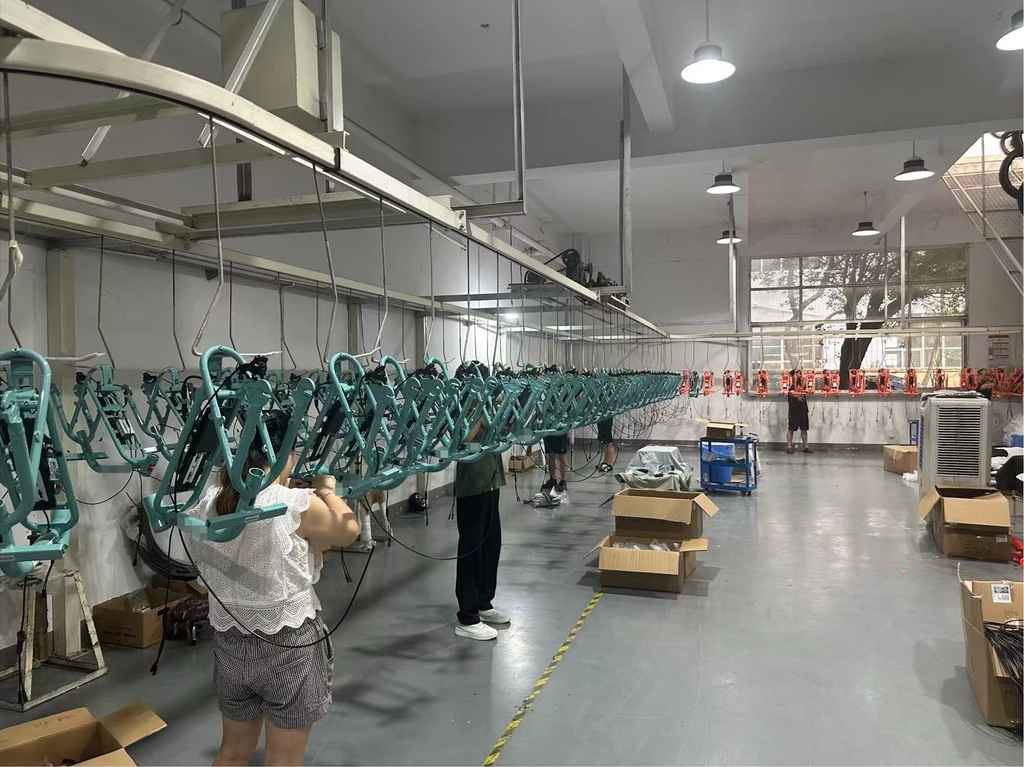
ODM is more suitable when a company has a specific product concept but does not want to develop every component independently.
For example, a brand may want to develop a city e-bike for commuters, a fat-tire e-bike for recreational riders, or a cargo e-bike for families and businesses.
The manufacturer can help evaluate the frame structure, motor system, battery, electrical components, suspension, brakes, and other parts.
The final product can then be developed around the target market and expected retail price.
For companies that want something different from standard catalog products, an ODM electric bike partnership can provide more flexibility.
Private Label Electric Bikes
Private labeling is another common business model for e-bike companies.
A private-label product allows a retailer or distributor to sell an existing or customized e-bike under its own brand.
This can be particularly useful for:
- New e-bike startups
- Bicycle stores
- Regional distributors
- Online retailers
- Outdoor brands
- Mobility companies
- Rental businesses
The advantage is that the company does not need to build a complete manufacturing operation. Instead, it can focus on marketing, sales, distribution, and customer service while the factory manages production.
Choosing the Right Motor and Battery
The motor and battery are two of the most important parts of an electric bike.
However, choosing the highest-power motor or largest battery is not always the best solution.
The right configuration depends on the intended market and riding conditions.
A city commuter may need a lightweight system with moderate power and a comfortable riding experience. A fat-tire e-bike may require more torque and a larger battery. A cargo bike may need a motor and braking system designed to handle additional weight.
Battery selection should also consider the cell manufacturer, BMS, capacity, charger, enclosure, and applicable safety certifications.
For a long-term electric bike business partnership, it is better to discuss the complete electrical system with the manufacturer rather than selecting individual components based only on price.
Certification Should Be Discussed Early
Certification is an important part of e-bike product development.
Different countries and regions have different requirements. A configuration suitable for one market may not automatically be suitable for another.
For example, companies selling in North America may need to consider UL requirements, while European e-bike projects may need to meet applicable CE and EN 15194 requirements.
The certification scope is also important.
Changing major electrical components such as the motor, battery, controller, or charger may affect the certification of the final product.
For this reason, brands should confirm the exact certified configuration with the manufacturer before placing a large production order.
From Samples to Mass Production
A successful e-bike partnership normally starts with a sample rather than a large production order.
The typical process can look like this:
Product selection → Sample order → Testing → Specification adjustment → Production → Market launch → Customer feedback → Repeat orders
The sample gives the buyer an opportunity to check the riding experience, component quality, packaging, appearance, and overall product before committing to larger quantities.
After receiving customer feedback, the manufacturer can make additional changes for the next production batch.
This process is especially useful for new e-bike brands entering a competitive market.
CBU, SKD and CKD Supply
Not every company wants to receive fully assembled electric bikes.
For businesses planning local assembly, manufacturers may also provide SKD or CKD supply.
CBU means the complete bicycle is assembled at the factory and shipped to the customer.
SKD means the bicycle is partially disassembled, with some assembly completed by the customer.
CKD provides the bicycle in separate components or kits so that more of the assembly process can be completed locally.
Local assembly may become an option for larger distributors and brands that want more control over their supply chain.
A manufacturer that can support CBU, SKD, and CKD gives customers more flexibility as their business grows.
What Makes a Good E-Bike Supplier?
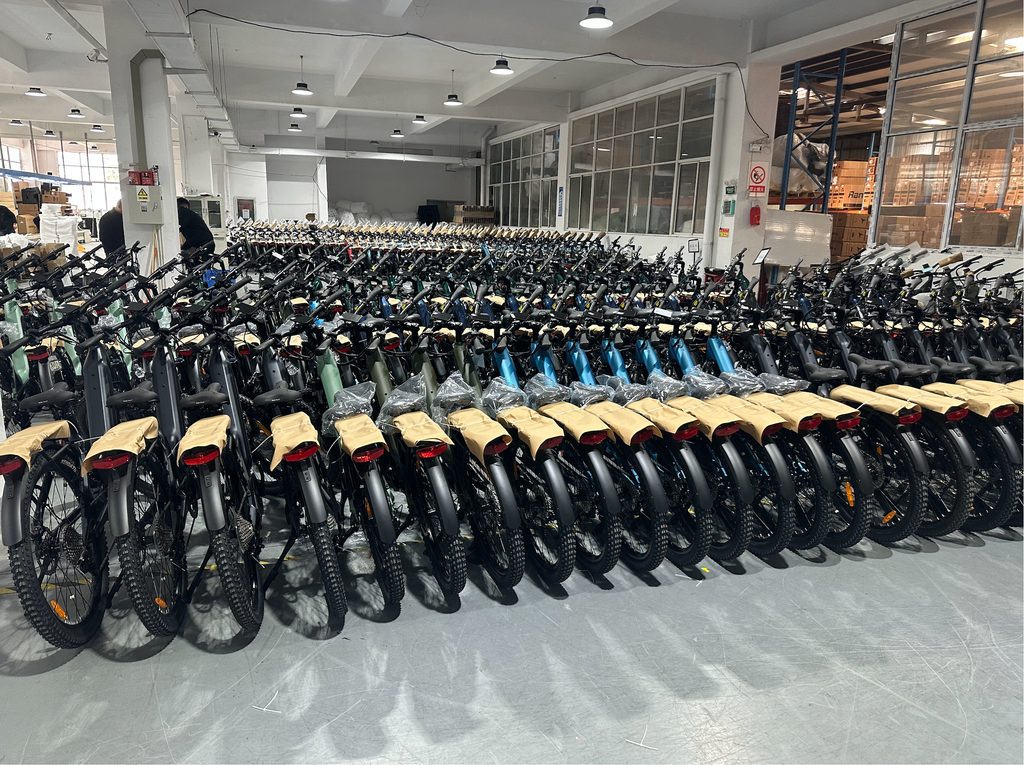
A low price may look attractive at the beginning, but the cheapest supplier is not necessarily the best long-term partner.
Before choosing an e-bike supplier, consider the following questions:
- Can the factory provide samples?
- What is the minimum order quantity?
- What components can be customized?
- Can the factory support private labeling?
- What certifications are available?
- How long does production take?
- Can spare parts be supplied?
- How are warranty issues handled?
- Can the supplier support larger orders in the future?
- Can the factory provide technical documentation?
The answers to these questions can tell you much more about a supplier than the initial quotation.
Building a Long-Term E-Bike Business
An e-bike business partnership should not be based on one order.
As the business grows, the relationship between the brand and manufacturer can become much more valuable.
The first order may be relatively small. After the product has been tested in the market, the company may increase its order volume, introduce new models, or develop a completely new product.
At this stage, having a manufacturer that already understands the brand’s requirements can save significant time.
Instead of starting the development process again with a new supplier, both sides can continue improving the product together.
Finding the Right Electric Bike Business Partnership
There is no single e-bike configuration that works for every business.
A successful partnership starts by understanding the target market, customer group, expected retail price, required specifications, order quantity, and local regulations.
For some companies, an existing wholesale model is the right starting point. For others, OEM, ODM, or private-label production may be a better solution.
The most important thing is finding a manufacturer that can support the business beyond the first shipment.
A reliable electric bike business partnership should provide competitive pricing, consistent quality, flexible customization, technical support, and the ability to scale production as the brand grows.
For brands and dealers looking to build a long-term position in the e-bike market, choosing the right manufacturing partner can be one of the most important steps in the entire business.

Leave a Reply