If you are thinking about buying an e-bike, one question usually comes up sooner or later: how long do ebike batteries last?
A good e-bike battery can usually provide several years of service. In general, a quality lithium-ion battery may last around 2–5 years or approximately 500–1,000 charge cycles, depending on how often the bike is used, how it is charged, the battery cells used, and the riding conditions.
But battery lifespan is only part of the story. The battery’s capacity also affects how far your e-bike can travel on a single charge.
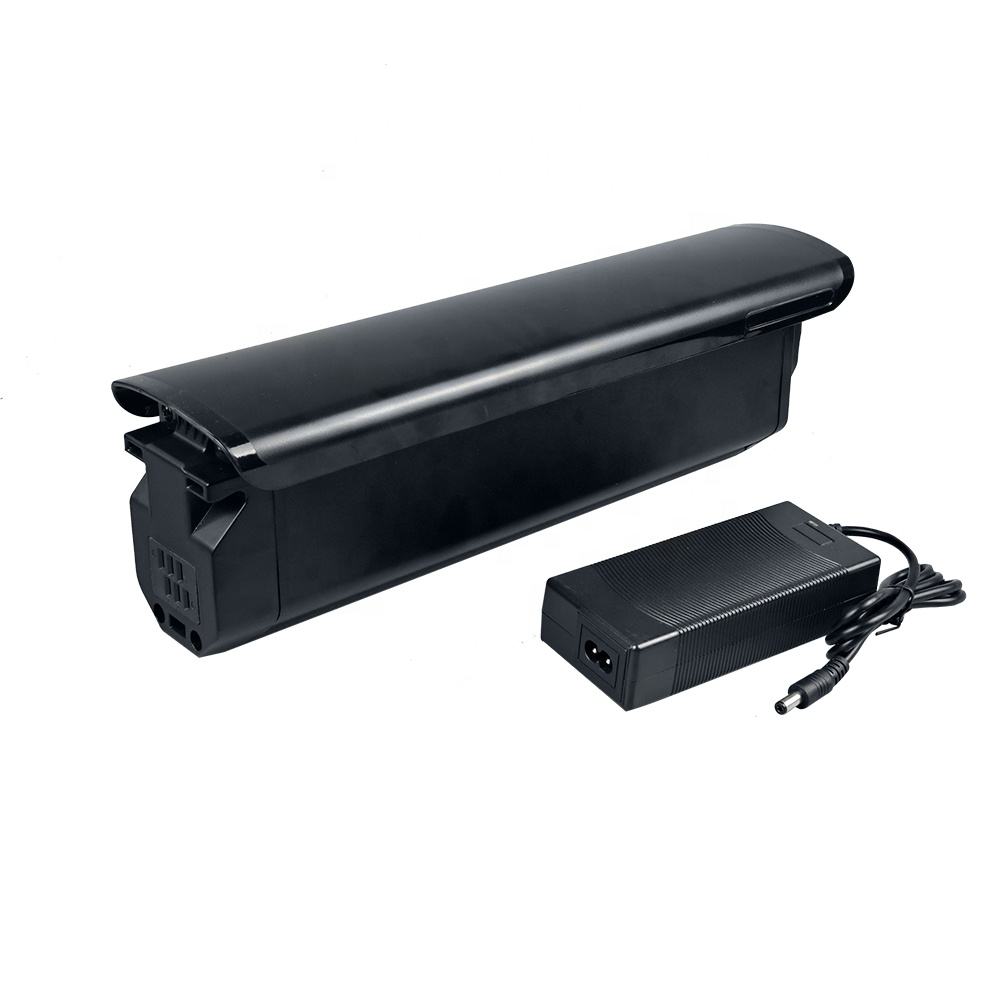
How Many Years Does an E-Bike Battery Last?
Most modern e-bikes use lithium-ion batteries because they offer a good balance between energy density, weight, and lifespan.
For a typical e-bike user, a battery can last several years before its capacity drops enough to noticeably affect riding range.
For example, a battery that originally provides 40 miles of range may gradually provide less range after several hundred charging cycles.
Battery lifespan depends on several factors:
- Battery cell quality
- Number of charging cycles
- Battery capacity
- Charging habits
- Riding conditions
- Storage temperature
- Motor power
- Battery Management System (BMS)
This means two e-bikes with the same battery capacity can have very different battery lifespans.
How Many Charge Cycles Does an E-Bike Battery Have?
A charge cycle generally refers to using an amount of battery capacity equivalent to one full charge and discharge.
For example, using 50% of a battery today and charging it, then using another 50% later is roughly equivalent to one full cycle.
Many quality lithium-ion e-bike batteries are designed to provide hundreds of cycles, with approximately 500–1,000 cycles being a common range depending on the battery technology and operating conditions.
For someone who rides 2–3 times per week, this can translate into several years of useful battery life.
For rental companies, delivery fleets, and commercial users, battery cycles can accumulate much faster because the bikes may be used every day.
How Long Does an E-Bike Battery Last Per Charge?
Battery lifespan and riding range are two different things.
Battery lifespan refers to how many years or charge cycles the battery can provide useful service.
Battery range refers to how far the bike can travel on a single charge.
One useful way to compare batteries is watt-hours (Wh).
For example:
48V × 15Ah = 720Wh
A 48V 20Ah battery provides:
48V × 20Ah = 960Wh
Generally, a higher Wh rating means more stored energy and potentially longer range.
However, you should not assume that a 960Wh battery will always travel exactly 33% farther than a 720Wh battery. Real-world range depends on the motor, rider weight, speed, terrain, tire pressure, temperature, and pedal-assist level.
What Affects E-Bike Battery Lifespan?
Battery Cell Quality
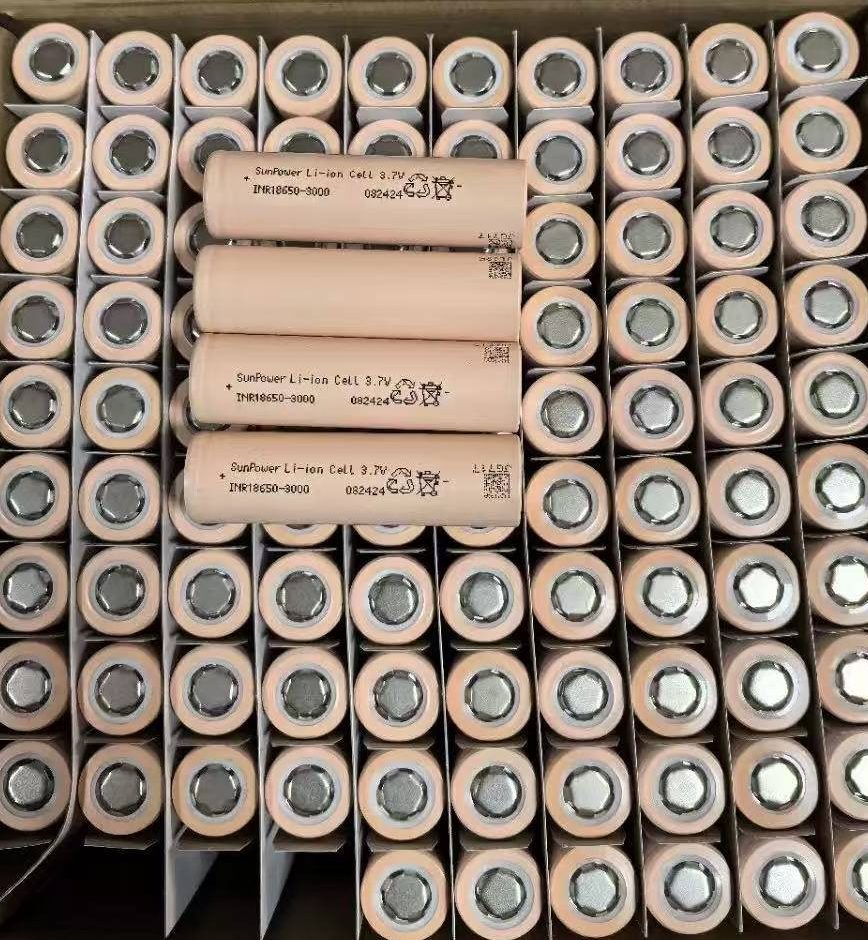
The cells are one of the most important parts of an e-bike battery.
High-quality cells can provide more consistent performance and better long-term reliability. This is particularly important for OEM electric bikes, rental fleets, and bikes that will be used frequently.
Battery Management System
A good Battery Management System, or BMS, helps monitor the battery during charging and operation.
Depending on the design, the BMS can help protect the battery from issues such as overcharging, over-discharging, excessive current, and abnormal temperatures.
Charging Habits
You don’t need to completely drain an e-bike battery every time before charging it.
For regular use, avoiding unnecessary deep discharges and using the correct charger can help maintain battery performance over time.
Temperature
Extreme temperatures can affect lithium-ion battery performance and long-term durability.
If you are not using the bike for an extended period, storing the battery in a dry environment away from extreme heat or cold is recommended.
Riding Conditions
A powerful motor, steep hills, heavy loads, high speeds, and low tire pressure can all increase energy consumption.
This doesn’t necessarily mean the battery itself is poor. It simply means more energy is being used during each ride.
When Should You Replace an E-Bike Battery?
The most obvious sign is a significant reduction in riding range.
For example, if your e-bike originally traveled around 40 miles under similar conditions but now only travels 20–25 miles, the battery may have experienced substantial capacity degradation.
Other signs can include:
- Battery percentage drops unusually quickly
- The bike loses power under heavy loads
- Charging behavior becomes abnormal
- The battery becomes unusually hot
- Physical swelling or damage
A damaged or swollen lithium-ion battery should not be used. It should be inspected and replaced by a qualified professional.
How Can You Make an E-Bike Battery Last Longer?
You don’t need complicated maintenance to get better battery life.
A few simple habits can help:
1. Use the correct charger
Always use a charger designed for your specific battery.
2. Avoid extreme temperatures
Do not leave the battery exposed to excessive heat or freezing conditions for long periods.
3. Avoid unnecessary deep discharge
You don’t have to wait until the battery reaches 0% before charging.
4. Store the battery properly
If you won’t use your e-bike for an extended period, keep the battery in a suitable environment and follow the battery manufacturer’s storage recommendations.
5. Choose the right battery capacity
A larger battery can reduce the need for frequent charging if you regularly ride long distances.
What Is the Best E-Bike Battery for Long-Term Use?
There isn’t one battery that is perfect for every e-bike.
A city commuter may need a compact 48V battery, while a fat-tire e-bike or mountain bike may benefit from a higher-capacity battery.
For businesses, the requirements can be different again.
If you operate an e-bike rental business, for example, you may care more about cycle life, reliability, replacement cost, charging time, and battery availability than simply choosing the largest battery.
This is where working with an experienced electric bike manufacturer can be useful.
An OEM manufacturer can help match the battery capacity, motor system, frame, and intended application instead of simply using the same battery configuration for every model.
E-Bike Battery Options for OEM Projects
For brands developing their own electric bikes, battery specifications can often be customized according to the target market.
Depending on the project, manufacturers may work with different:
- Battery capacities
- Voltage options
- Cell brands
- BMS specifications
- Battery mounting systems
- Charging systems
- Frame-integrated batteries
- Removable batteries
For companies looking for custom electric bikes, battery configuration should be considered together with motor power, controller settings, frame design, and the expected riding conditions.
How Long Do E-Bike Batteries Last for Rental Businesses?
Rental bikes typically experience much higher usage than privately owned e-bikes.
A rental bike may be ridden several times per day and charged much more frequently. As a result, the battery can reach its cycle limit sooner.
For rental operators, we recommend looking beyond the initial bike price.
Important factors include:
- Battery cycle life
- Battery replacement cost
- Availability of replacement batteries
- Charging time
- Battery certification
- Warranty
- Motor efficiency
- Local after-sales support
A slightly more expensive battery can sometimes provide better overall value if it reduces replacement frequency and downtime.
Frequently Asked Questions
How long do ebike batteries last?
Most quality lithium-ion e-bike batteries can last around 2–5 years, although actual lifespan depends on usage, charging habits, battery quality, temperature, and the number of charge cycles.
How many miles does an e-bike battery last?
It depends on the battery capacity and riding conditions. A 48V 15Ah battery has about 720Wh, while a 48V 20Ah battery has about 960Wh. Actual riding range varies based on speed, motor power, rider weight, terrain, tires, and assist level.
How often should I replace my e-bike battery?
There is no fixed replacement date. If the battery still provides sufficient range and operates normally, it may not need replacement. A significant loss of capacity or signs of physical damage are reasons to have the battery inspected.
Are bigger e-bike batteries better?
Not necessarily. A larger battery provides more stored energy, but it can also add weight and cost. The right capacity depends on how far and how frequently you plan to ride.
Can an e-bike battery be replaced?
Yes. Many e-bikes use removable or replaceable battery packs. The replacement battery must be compatible with the bike’s voltage, BMS, connector, mounting system, and charger.
Final Thoughts
So, how long do ebike batteries last?
For most quality lithium-ion e-bike batteries, 2–5 years is a reasonable general expectation, with many batteries providing hundreds of charge cycles before their capacity drops significantly.
The best battery isn’t necessarily the one with the biggest capacity. Battery cells, BMS, charging system, riding conditions, and overall battery design all matter.
For individual riders, choosing a reliable battery and following good charging and storage practices can help maximize battery life.
For dealers, rental companies, and brands developing their own products, choosing the right e-bike battery manufacturer and [OEM electric bike manufacturer] can make an even bigger difference in long-term operating costs.

Leave a Reply