When most buyers compare electric bikes, they first look at motor power, top speed, or frame design. But for distributors and commercial operators, the battery system is usually the component that determines whether a product succeeds or fails in the market.
In the ebike industry, many after-sales problems actually come from battery-related issues rather than the motor itself. Reduced range, unstable voltage, charging failures, overheating, or poor waterproofing can quickly damage a dealer’s reputation and increase warranty costs.
This is why understanding ebike battery technology has become increasingly important for distributors, rental operators, delivery fleets, and new businesses entering the electric mobility market.Many companies first start by searching for a reliable electric bike battery supplier that can provide stable long-term commercial support.
This article explains how ebike batteries are built, how long they really last, what affects battery performance, and what B2B buyers should evaluate before choosing a supplier.
What Is Inside an Ebike Battery?
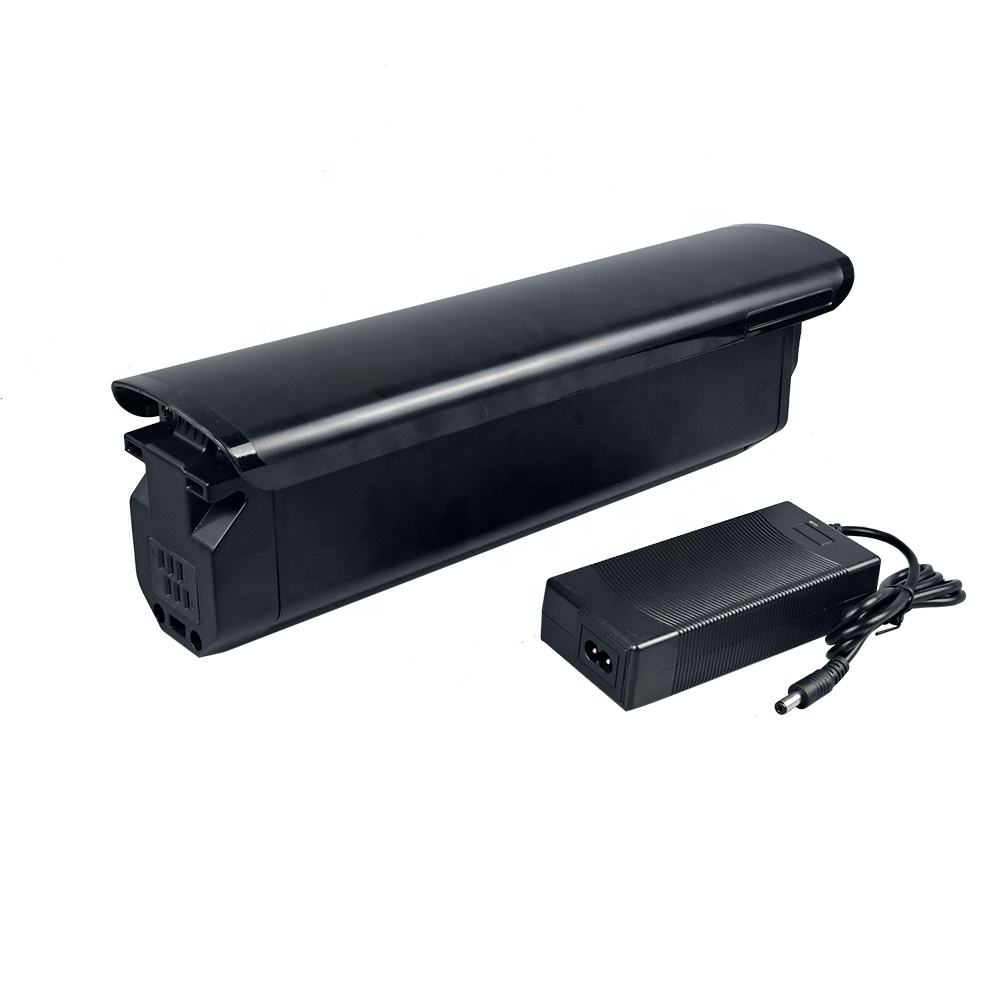
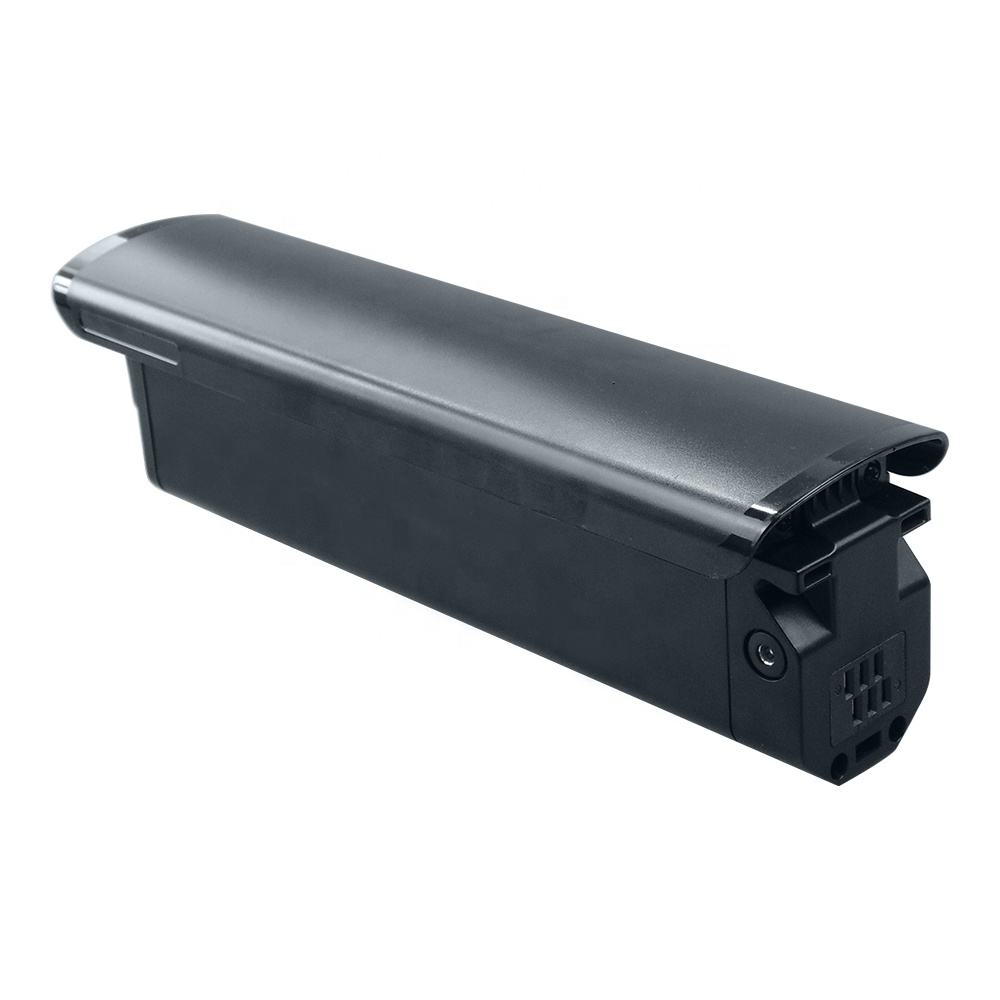
Many people think an ebike battery is simply a “black box” attached to the frame. In reality, a modern lithium battery pack contains multiple systems working together.
A typical ebike battery includes:
- Lithium battery cells
- Battery Management System (BMS)
- Nickel strips and welding connections
- Fuse protection
- Waterproof casing
- Charging and discharge ports
- Thermal insulation materials
The quality of each component directly affects battery reliability.
For example, two batteries may both advertise “48V 20Ah,” but their real-world lifespan and safety performance can be completely different depending on the cell grade and manufacturing process.
18650 vs 21700 Cells: What Is the Difference?
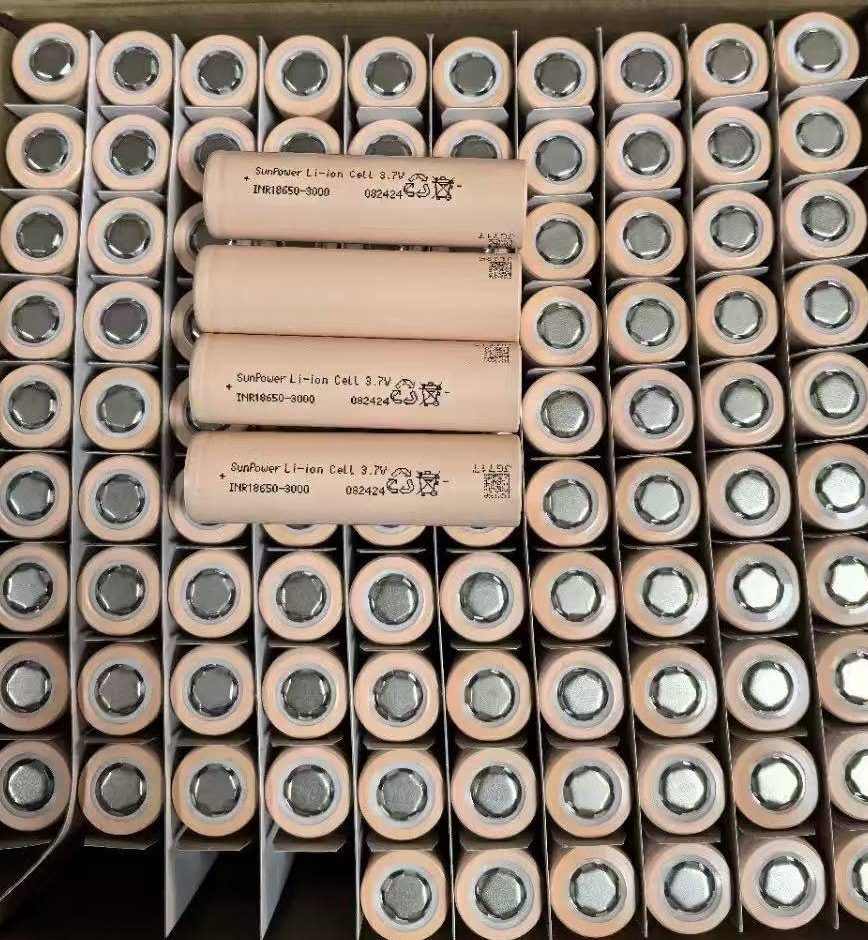
Most modern ebike batteries use either 18650 or 21700 lithium-ion cells.
The numbers actually refer to the physical size of the battery cell.
18650 Cells
18650 cells were widely used in earlier generations of electric bikes. They are smaller and lighter, with stable manufacturing standards developed over many years.
Advantages include:
- Mature supply chain
- Lower production cost
- Good thermal stability
- Easier pack design
However, their energy density is now becoming limited for larger commercial applications.
21700 Cells
21700 cells are increasingly used in premium ebikes and commercial fleet systems because they can store more energy in fewer cells.
Compared with 18650 cells, they usually offer:
- Higher capacity
- Better energy density
- Improved range
- Lower internal resistance
- Better efficiency under heavy loads
For cargo ebikes, delivery fleets, and high-mileage commercial use, 21700 battery systems are becoming more common.As riding range expectations increase, more fleet operators are paying attention to 21700 lithium battery technology instead of traditional low-capacity battery systems.
However, cell format alone does not guarantee quality. The consistency of the cells and the battery pack assembly process matter much more.
How Long Does an Ebike Battery Really Last?
One of the most common questions from dealers and commercial buyers is battery lifespan.
In real-world commercial use, most quality lithium ebike batteries last between 800 to 1,000 charging cycles before noticeable capacity degradation occurs.
This does not mean the battery suddenly stops working after 1,000 cycles. Instead, the battery gradually loses capacity over time.
For example:
- A new battery may provide 100% range
- After 800 cycles, it may retain 75–80% capacity
- Range becomes shorter
- Charging frequency increases
For delivery riders or rental fleets, this directly impacts operating costs.
What Causes Ebike Batteries to Degrade Faster?
Battery aging is unavoidable, but several factors can accelerate degradation significantly.
High Temperature Exposure
Heat is one of the biggest enemies of lithium batteries.
Commercial fleets operating in extremely hot environments often experience faster battery aging, especially if charging occurs immediately after heavy riding.
Deep Discharge
Repeatedly draining the battery to 0% places additional stress on lithium cells.
Most professional fleet operators try to recharge batteries before they fall below 20%.
Cheap Battery Cells
Low-grade cells may have inconsistent voltage behavior and shorter cycle life.
This is one reason why some low-cost ebikes experience severe range reduction within the first year.
Poor BMS Calibration
An unstable Battery Management System can create charging imbalance between cell groups, reducing overall pack lifespan.
Why Battery Manufacturing Quality Matters
In the ebike industry, battery assembly quality is often more important than marketing specifications.
Two factories may purchase similar cells, but the final battery performance can still vary significantly because of manufacturing standards.
Professional battery production usually includes:
- Cell matching
- Voltage balancing
- Spot welding inspection
- Aging tests
- Waterproof testing
- Charge-discharge cycle testing
- Vibration testing
One weak weld connection inside the battery pack can eventually lead to overheating or power interruption after months of riding vibration.
This is why experienced B2B buyers pay attention not only to the battery brand, but also to the supplier’s assembly process and quality control system.
The Importance of Battery Management Systems (BMS)
A Battery Management System acts like the “brain” of the battery pack.
Without a reliable BMS, even high-quality lithium cells can become unstable.
Modern BMS systems control:
- Overcharge protection
- Overcurrent protection
- Temperature monitoring
- Cell balancing
- Short-circuit protection
For commercial fleets, BMS stability is critical because bikes are often charged daily under high-frequency usage conditions.
A weak BMS may not fail immediately, but over time it can create inconsistent charging behavior and shorten battery life across the fleet.
Waterproofing Is More Important Than Many Buyers Think
Water damage remains one of the most overlooked battery problems in the ebike market.
Many batteries advertise waterproof ratings, but actual sealing quality varies significantly between factories.
For delivery riders, rental fleets, and outdoor commercial operations, poor waterproofing can cause:
- Corrosion
- Charging port failure
- Internal short circuits
- Voltage instability
Professional battery systems usually include:
- Silicone sealing
- Waterproof connectors
- Internal insulation layers
- Reinforced charging ports
Commercial buyers should always ask suppliers about real waterproof testing standards rather than relying only on marketing claims.
Why UL Certification Is Becoming More Important
In the United States, battery safety regulations are becoming stricter every year.
Many distributors and fleet operators now specifically request UL-certified battery systems before cooperation.
UL certification helps verify:
- Electrical safety
- Thermal safety
- Charging protection
- Fire risk reduction
For dealers entering the ebike market, using certified battery systems can reduce long-term legal and warranty risks.
Commercial Fleet Operators Need Different Battery Solutions
A consumer riding an ebike on weekends has very different battery requirements compared with a commercial operator.
Delivery fleets, tourism rentals, and industrial mobility programs usually prioritize:
- Fast charging
- Long cycle life
- Easy battery replacement
- Stable daily performance
- Spare battery availability
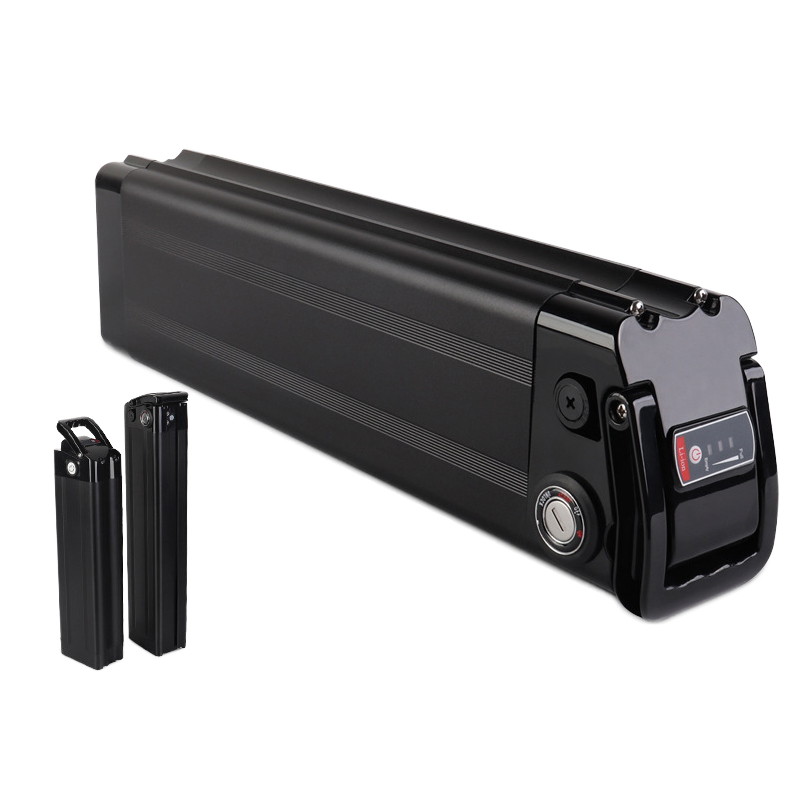
This is why swappable battery systems are becoming increasingly popular in commercial applications.
Instead of waiting several hours for charging, operators can quickly exchange depleted batteries and keep vehicles running continuously.
Final Thoughts
As the ebike industry becomes more competitive, battery technology is becoming one of the biggest differences between low-cost products and reliable commercial platforms.
For B2B buyers, understanding battery structure, manufacturing quality, cycle lifespan, and safety systems is no longer optional.
A battery is not simply a specification sheet showing voltage and amp-hours. It is the core component that affects product reliability, maintenance cost, customer satisfaction, and long-term business stability.
For companies entering the ebike industry, finding stable manufacturing support is often more difficult than choosing the product itself. Battery consistency, supply stability, and after-sales support all become critical as the business grows. Many distributors are now searching for scalable commercial ebike solutions that can support long-term fleet and dealer operations.
Whether you are an ebike dealer, fleet operator, rental company, or a business entering the electric mobility market for the first time, choosing the right battery system can directly impact your long-term success.

Leave a Reply