Electric bikes have become a practical option for food delivery, parcel services, and other urban transportation businesses. They can move through busy streets more easily than cars, require less parking space, and help riders cover daily delivery routes without relying entirely on fuel-powered vehicles.
For companies planning to build a delivery fleet or launch their own electric bike brand, finding the right delivery ebike manufacturer is an important first step. The challenge is not simply finding a bike with a motor and battery. Buyers also need to consider durability, battery capacity, maintenance, production capacity, and whether the manufacturer can support their business as order volumes grow.
Different delivery businesses have different requirements. A restaurant delivery fleet may prioritize riding comfort and battery range, while a parcel delivery company may need stronger cargo capacity and components that can withstand frequent use.
Understanding these differences before placing an order can help businesses avoid unnecessary costs and choose products that fit their operations.
What Makes an Electric Bike Suitable for Delivery Work
A delivery ebike may look similar to a regular commuter bike, but the demands of commercial use are different. Delivery riders often spend several hours on the road, stop frequently, and carry food, packages, or other equipment.
The following factors deserve attention when selecting bikes for a delivery fleet.
Battery Capacity and Daily Riding Range
Battery capacity directly affects how far a rider can travel before recharging. However, the actual range depends on more than the battery specification.
Rider weight, cargo load, road conditions, temperature, riding speed, and the level of pedal assistance all influence energy consumption.
For example, a bike equipped with a 48V 15Ah battery may suit some urban delivery routes, but businesses operating longer shifts should evaluate whether a larger battery or a spare battery is necessary.
Before selecting a battery configuration, fleet operators should estimate the distance covered during a typical shift and identify where charging will take place.
A useful starting point is to answer three questions.
- How many kilometers does each rider travel per day?
- Can riders recharge their bikes between shifts?
- Will the bikes carry additional cargo or equipment?
These answers provide a more reliable basis for choosing battery capacity than advertised maximum range alone.
Motor Performance and Speed Requirements
Motor selection depends on local regulations and the working environment.
For urban food delivery, a 250W motor may be sufficient in markets where this configuration meets local requirements. Businesses operating in areas with hills or carrying heavier loads should also consider torque, motor efficiency, and the bike’s overall weight.
A higher motor rating does not automatically mean a better delivery bike. The appropriate configuration depends on the intended use, legal requirements, and expected operating conditions.
Companies selling bikes in Europe should pay particular attention to applicable regulations, including the requirements for electric bicycles under the relevant local laws.
Frame Design and Riding Comfort
Delivery riders may use their bikes throughout the working day. A suitable frame design can make frequent stops, mounting and dismounting, and handling in traffic easier.
Step-through frames are often considered for urban delivery applications because riders can get on and off the bike without lifting their legs over a high top tube.
Folding fat-tire models may be useful where storage space is limited or where wider tires are preferred for the intended road conditions. However, tire width, frame geometry, and overall weight should be evaluated together.
For commercial fleets, buyers should also examine the riding position, braking performance, tire availability, and the durability of components exposed to frequent use.
Cargo Capacity and Accessories
A delivery bike needs to accommodate the equipment used in daily operations.
Depending on the application, this may include a rear rack, front basket, insulated delivery box, fenders, lights, or a phone holder.
Not every business needs the same accessories. A food delivery company may require a dedicated mounting solution for an insulated box, while a general courier service may prefer a rear rack that accommodates different package sizes.
If accessories are installed at the factory, buyers should confirm the mounting points, load limits, and compatibility with the selected frame.
Planning these details before production is easier than modifying a large batch of bikes after delivery.
How to Choose the Right Delivery Ebike Manufacturer
Choosing a supplier involves more than comparing prices. A bike that looks competitive on paper may not be suitable for a business that needs consistent production, replacement parts, or customized specifications.
When evaluating a delivery ebike manufacturer, buyers should look at several practical factors.
Manufacturing Experience and Production Capacity
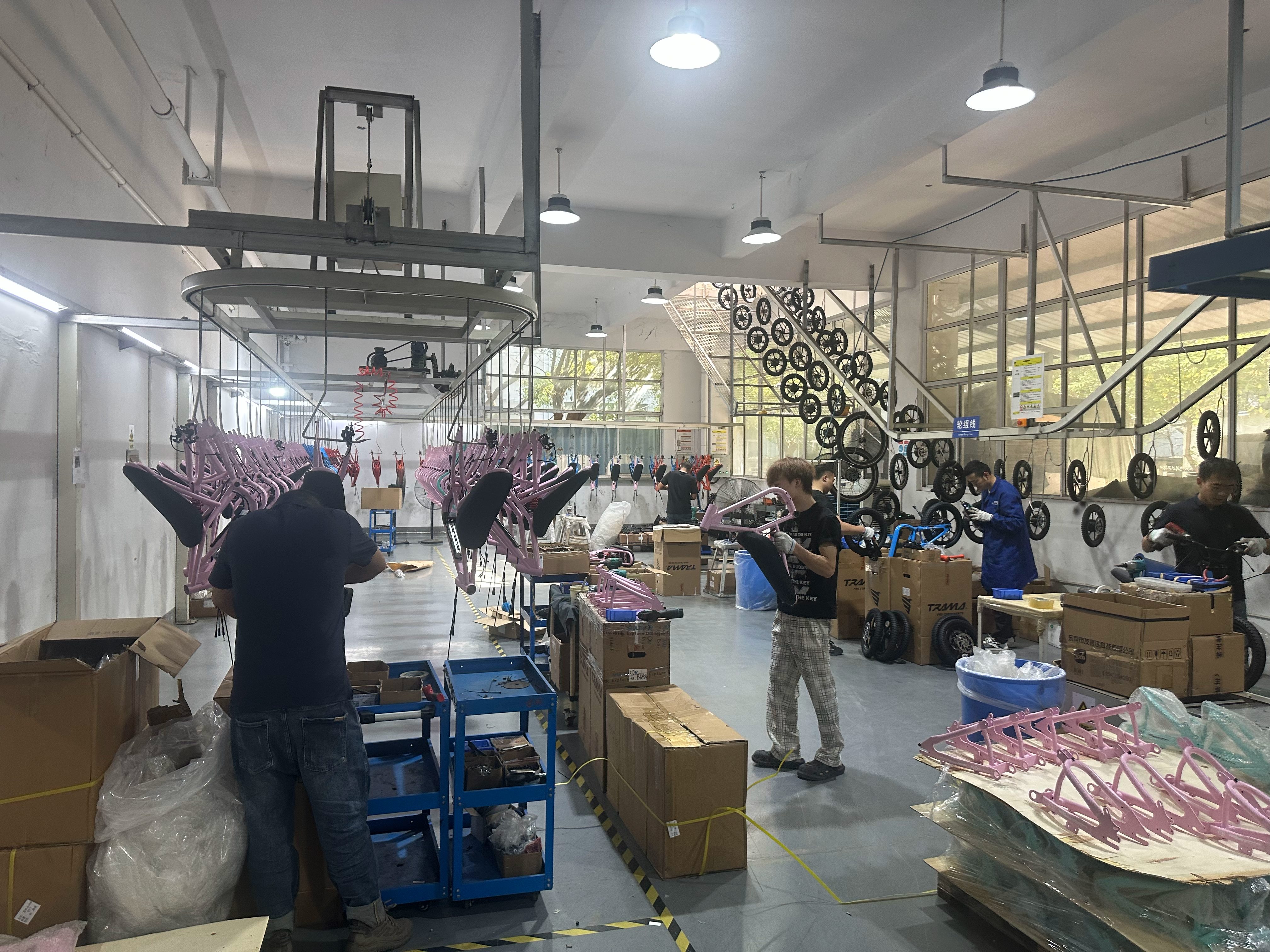
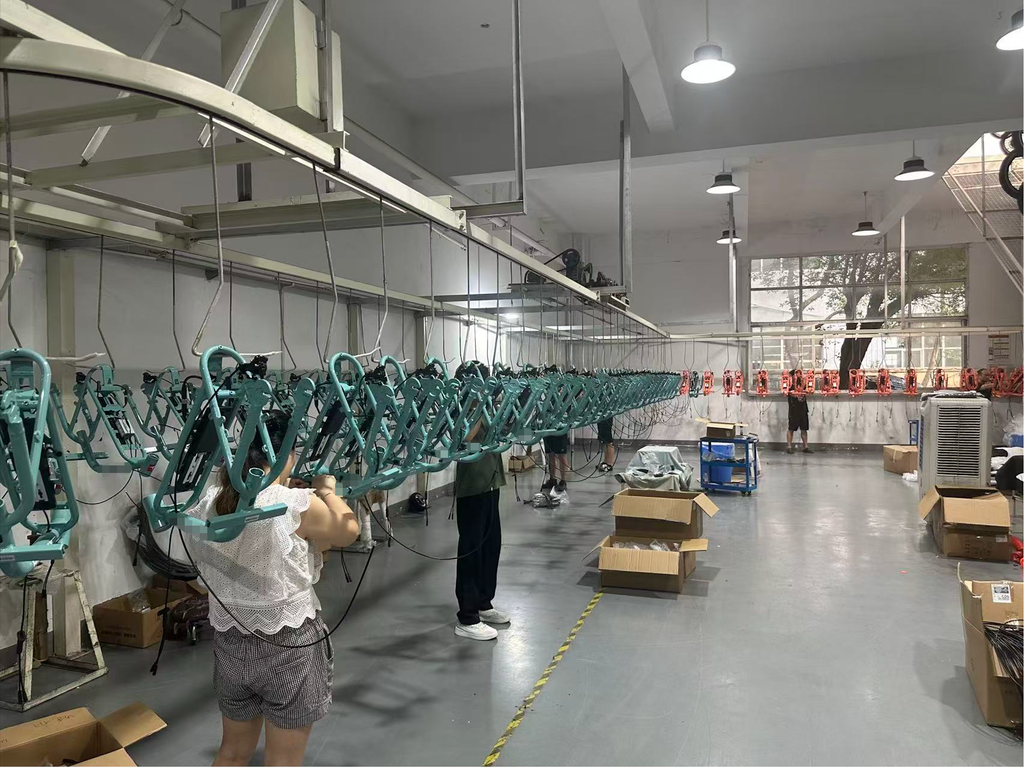
A supplier should understand the requirements of commercial electric bikes and be able to explain how its production process supports consistent quality.
Ask whether the company manufactures bikes directly or primarily resells products from other suppliers. For OEM projects, it is also useful to understand which parts of the bike can be customized and which components come from established suppliers.
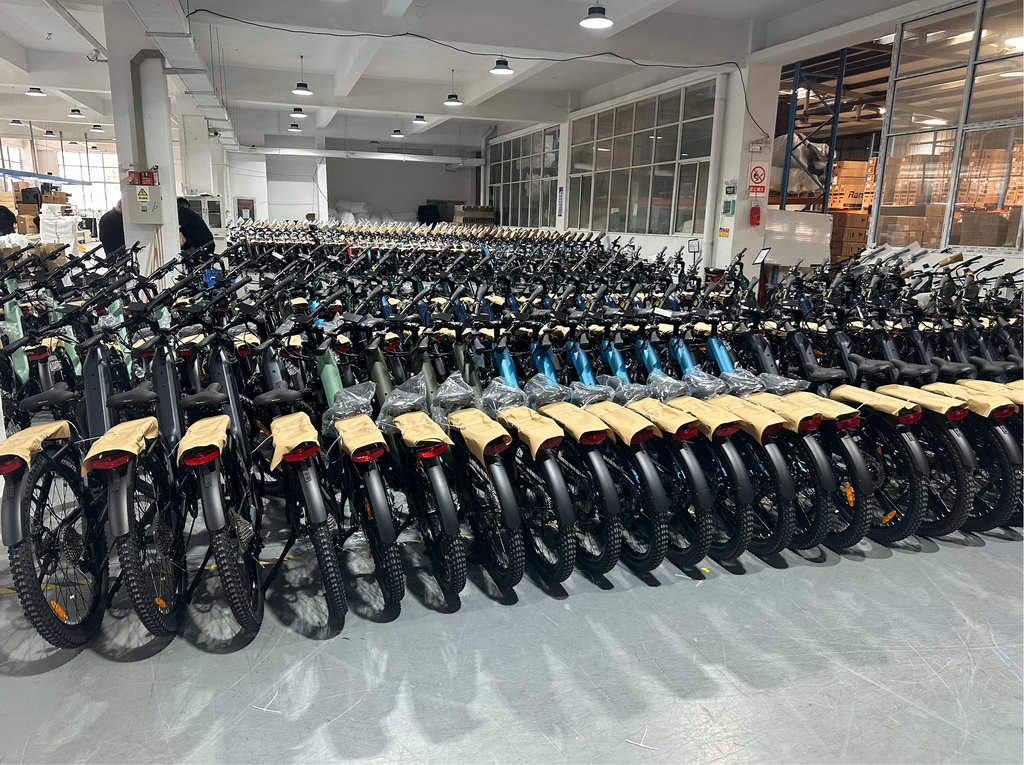
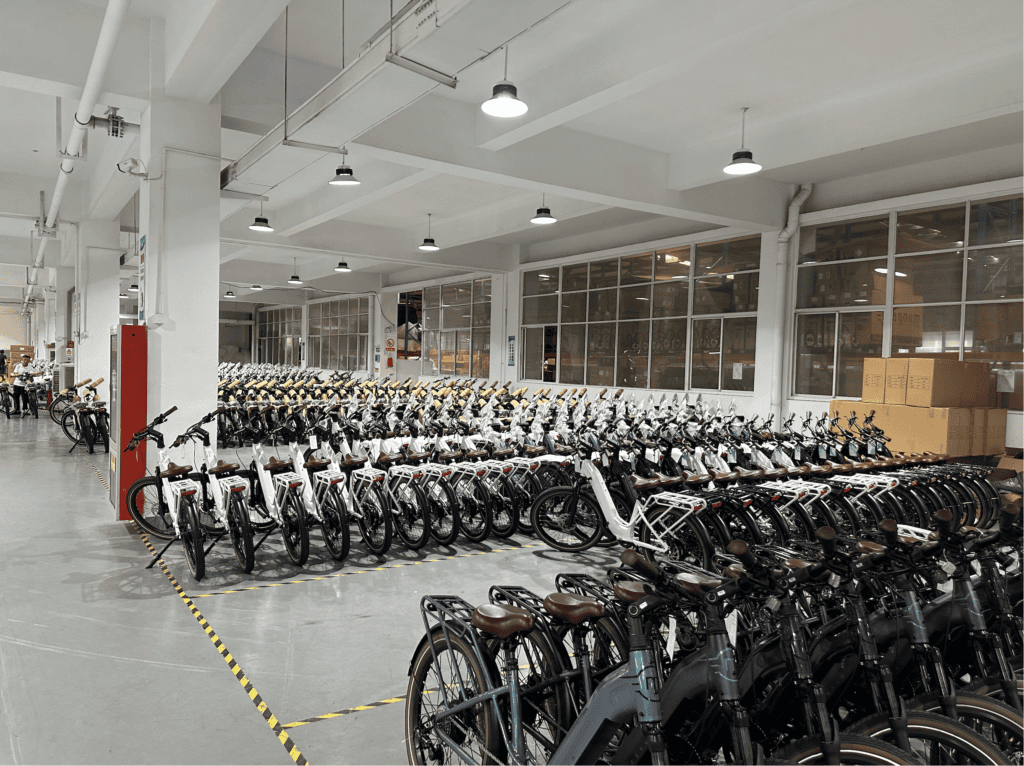
Production capacity matters when a business plans to expand. A manufacturer may be able to supply a small initial order but struggle to maintain the same lead time when demand increases.
Buyers should discuss estimated order quantities, production schedules, and the process for confirming specifications before placing an order.
OEM and ODM Customization
Businesses launching their own brands often need more than a standard electric bike with a different logo.
Depending on the project, customization may include:
- Frame color and logo placement
- Battery capacity and electrical configuration
- Motor and drivetrain specifications
- Tires, brakes, and other components
- Rear racks and delivery accessories
- Packaging and product identification
OEM generally focuses on manufacturing products according to the buyer’s specifications and brand requirements. ODM can involve adapting an existing design or developing a product around a buyer’s needs.
Not every factory offers the same level of customization. Some changes can be made to an existing model, while substantial frame or structural changes may require additional engineering work, tooling, cost, and development time.
For this reason, buyers should distinguish between standard production models and fully customized projects at the beginning of the discussion.
At HAIDONG, buyers can discuss electric bike configurations and private-label requirements for suitable models. Customization scope, minimum order quantities, and lead times depend on the specific project.
Working with an experienced electric bike OEM can help businesses develop products that match their brand identity and target market.
Quality Control and After-Sales Support
Commercial bikes are used frequently, so maintenance requirements should be considered before the first shipment.
A supplier should be able to explain its quality inspection process and clarify how it handles defective components, warranty claims, and replacement parts.
It is worth asking whether the manufacturer can provide spare parts such as brake components, controllers, displays, batteries, and other commonly serviced items.
For companies operating dozens or hundreds of bikes, a clear spare-parts plan can make a significant difference to fleet uptime.
Buyers should also confirm warranty coverage in writing. Battery coverage, consumable parts, and the main bicycle components may have different warranty terms.
Delivery Ebike Manufacturer Requirements for Different Businesses
The best configuration depends on how the bikes will be used. Before choosing a model, it helps to define the business application.
Food Delivery Fleets
Food delivery riders frequently travel through congested urban areas and make repeated stops at restaurants and customer addresses.
For this application, buyers often prioritize comfortable riding geometry, reliable brakes, practical battery capacity, and accessories that accommodate delivery bags.
Ease of maintenance is also important because a bike that remains out of service can affect daily operations.
Businesses should consider the availability of replacement tires, brake pads, batteries, and other parts that may require regular servicing.
Parcel and Last-Mile Delivery
Parcel delivery can place different demands on an electric bike, especially when riders carry heavier packages or cover longer routes.
Frame strength, rack compatibility, load limits, and braking performance deserve particular attention.
The cargo setup should be evaluated as a complete system rather than by looking at the bicycle alone. Buyers need to confirm that the rack or cargo box is suitable for the intended load and that the bike remains manageable when fully loaded.
For larger operations, standardizing the model and configuration across the fleet can also simplify maintenance and staff training.
Rental and Shared Mobility Businesses
Rental businesses need bikes that are straightforward to operate and maintain across different users.
Frame durability, accessible replacement parts, and consistent specifications can be more important than features that appeal mainly to individual consumers.
Some operators may also need a distinctive color scheme, branded graphics, or accessories that help identify their fleet.
If the bikes will be used in tourist areas or on mixed road surfaces, the intended terrain and expected daily mileage should influence the model selection.
Brands Developing Their Own Delivery Bikes
Some companies want to build a delivery-focused electric bike brand rather than purchase existing products for internal use.
These businesses may require a combination of OEM manufacturing, component selection, branding, and product development.
Working with a manufacturer that understands these requirements can help buyers move from an initial concept to a sample and then to bulk production.
However, the development process should be realistic. A project involving a standard model with a custom logo is usually simpler than one requiring a new frame, specialized cargo structure, or redesigned electrical system.
Understanding MOQ, Pricing, and Production Lead Time
Minimum order quantity is an important consideration for businesses entering the electric bike market.
A small initial order can help buyers evaluate product quality and customer feedback before committing to a larger investment. However, manufacturers have production costs associated with purchasing components, preparing assembly lines, and arranging customized materials.
As a result, the MOQ for a standard model may differ from the MOQ for a customized product.
Before requesting a quotation, buyers should clarify whether they need a standard model, a private-label version, or a product with changes to its specifications.
Pricing should also be evaluated on a consistent basis. When comparing quotations, check whether they include the same motor, battery capacity, brakes, accessories, and packaging.
Other points to confirm include:
- Whether the quotation is based on FOB or another shipping term
- Whether sample costs differ from bulk pricing
- Whether logo printing or special colors involve additional charges
- How long sample production and bulk production will take
- Whether spare parts can be ordered with the bikes
Production lead time depends on the model, order quantity, component availability, and customization requirements. Buyers planning a launch should allow enough time for sample evaluation, specification approval, production, and shipping.
Providing the manufacturer with a clear target delivery date and an estimated order quantity makes it easier to determine whether the project is feasible.
Certification and Market Requirements
Certification should be discussed early, especially when the bikes will be sold in a regulated market.
Requirements vary by destination, vehicle classification, technical configuration, and intended use. Buyers should not assume that a certificate for one model or configuration automatically covers another.
For European markets, EN 15194 is a relevant standard for electrically power-assisted cycles within its scope. However, buyers should confirm the applicable conformity assessment and legal requirements for their specific product and market.
Battery transportation may also require documentation such as UN 38.3 test documentation and an appropriate safety data sheet, depending on the battery and shipping arrangement.
For private-label projects, the responsibilities of the manufacturer, brand owner, importer, and other economic operators should be established before production.
Changing a motor, battery, controller, or other important component may affect the documentation or conformity assessment required for the final product.
A practical approach is to provide the supplier with the destination market, intended bike classification, and required documents when requesting a quotation. This allows both sides to identify potential issues before the order is confirmed.
Why Work with HAIDONG for Electric Bike OEM Projects
HAIDONG focuses on electric bicycle manufacturing and OEM/ODM cooperation for business customers.
For companies developing their own brands or sourcing bikes for commercial applications, the process starts with selecting a suitable existing model and defining the required configuration.
Depending on the project, buyers can discuss frame colors, logo placement, component specifications, and other customization requirements.
Our team works with customers to review their requirements and determine which options are practical for production. More extensive changes may require additional development time and cost.
The minimum order quantity depends on the project. For logo customization, our standard minimum order quantity is 50 units. Other models and customization requirements may have different conditions.
Buyers should also confirm certification responsibilities, warranty coverage, spare-parts arrangements, and delivery schedules before placing an order.
You can explore our electric bike product range to review available models and identify options for your business.
For companies that already have a target design or technical specification, sharing those details at the beginning can help us assess the project more efficiently.
Frequently Asked Questions
What is the minimum order quantity for delivery electric bikes?
The MOQ depends on the model and the level of customization. Standard models and customized projects may have different requirements. For HAIDONG logo customization, the standard MOQ is 50 units.
Can I order a sample before placing a bulk order?
Sample availability, price, and lead time depend on the selected model and whether customization is required. Buyers should confirm these details before proceeding with a sample order.
Can a manufacturer customize electric bikes for food delivery?
Yes. Depending on the model, customization may include branding, frame color, battery configuration, brakes, racks, and other accessories. More substantial structural changes may require additional engineering and tooling.
How long does bulk production take?
Production lead time depends on order quantity, model availability, component supply, and customization. Buyers should request a production schedule based on their actual requirements rather than relying on a general estimate.
What should I send when requesting a quotation?
Provide the intended application, target market, estimated quantity, preferred specifications, branding requirements, and expected delivery date. If you have a reference bike or technical drawing, include it as well.
This information helps the manufacturer recommend a suitable model and prepare a more accurate quotation.
Final Thoughts
Finding the right delivery ebike manufacturer requires a clear understanding of how the bikes will be used and what the business needs from its supplier.
Battery capacity, motor configuration, frame design, cargo accessories, maintenance, and certification all deserve attention before an order is placed. Buyers should also consider whether the manufacturer can support future orders as their fleet or brand grows.
For businesses planning to enter the delivery e-bike market, starting with a well-defined specification and a realistic production plan can make the sourcing process much more straightforward.
If you are developing a delivery electric bike brand or sourcing bikes for a commercial fleet, HAIDONG can help you review suitable models and discuss OEM/ODM options based on your project requirements.

Leave a Reply