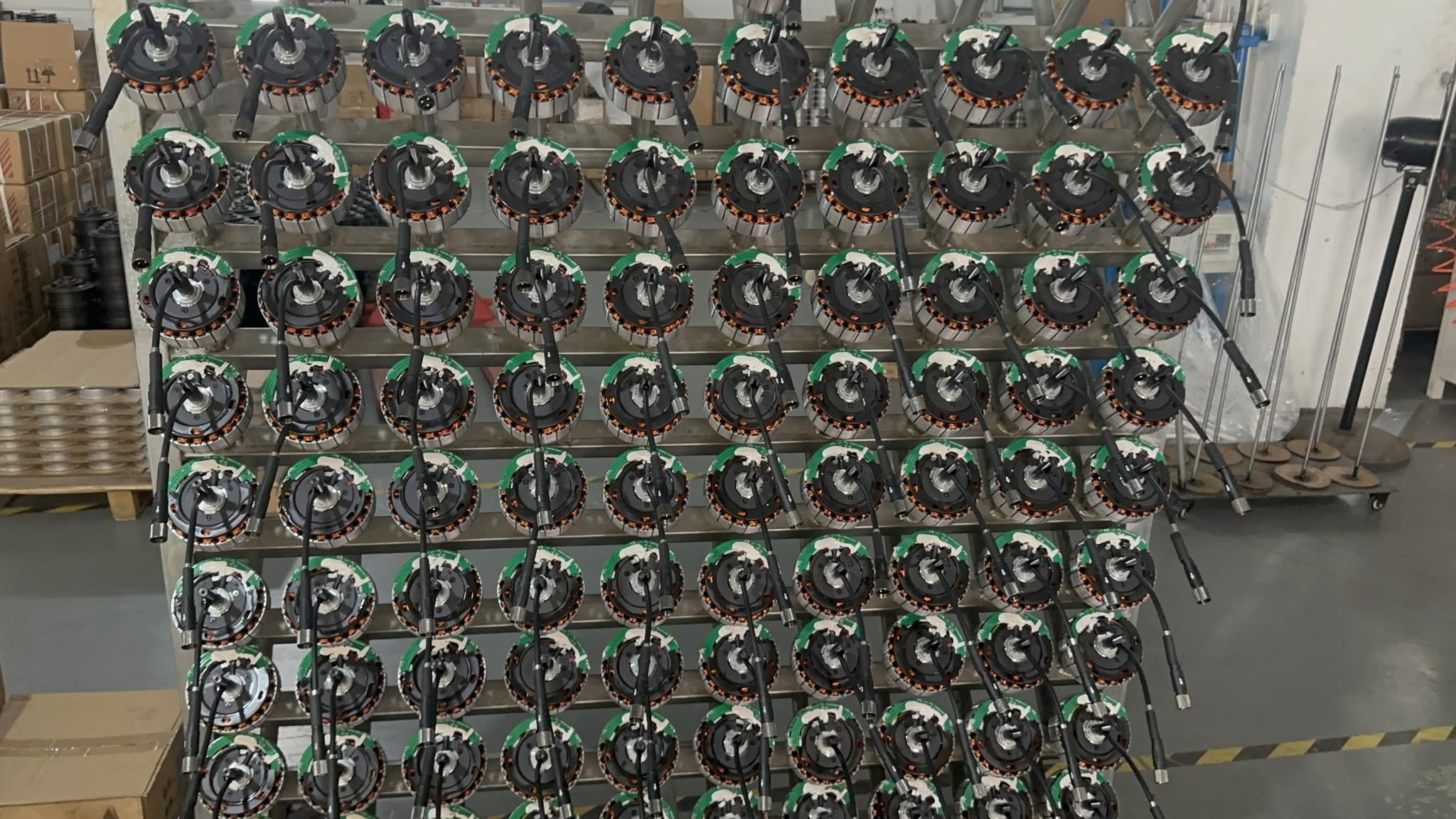
Choosing an electric bike motor is one of the most important decisions when developing or sourcing an e-bike. The motor affects acceleration, hill-climbing ability, riding comfort, energy consumption, maintenance requirements, and the overall cost of the bike.
For retailers, distributors, and electric bike brands, understanding the differences between motor systems is essential. Two electric bikes may have similar battery capacities and advertised wattages but deliver very different riding experiences because of their motor design, controller settings, and overall configuration.
There is no single motor that works best for every application. A commuter bike used on flat city streets has different requirements from a fat tire e-bike designed for trails, a cargo bike carrying heavy loads, or a delivery bike operating throughout the day.
This guide explains the main electric bike motor types, how they work, and what buyers should consider when selecting motors for different products and markets.
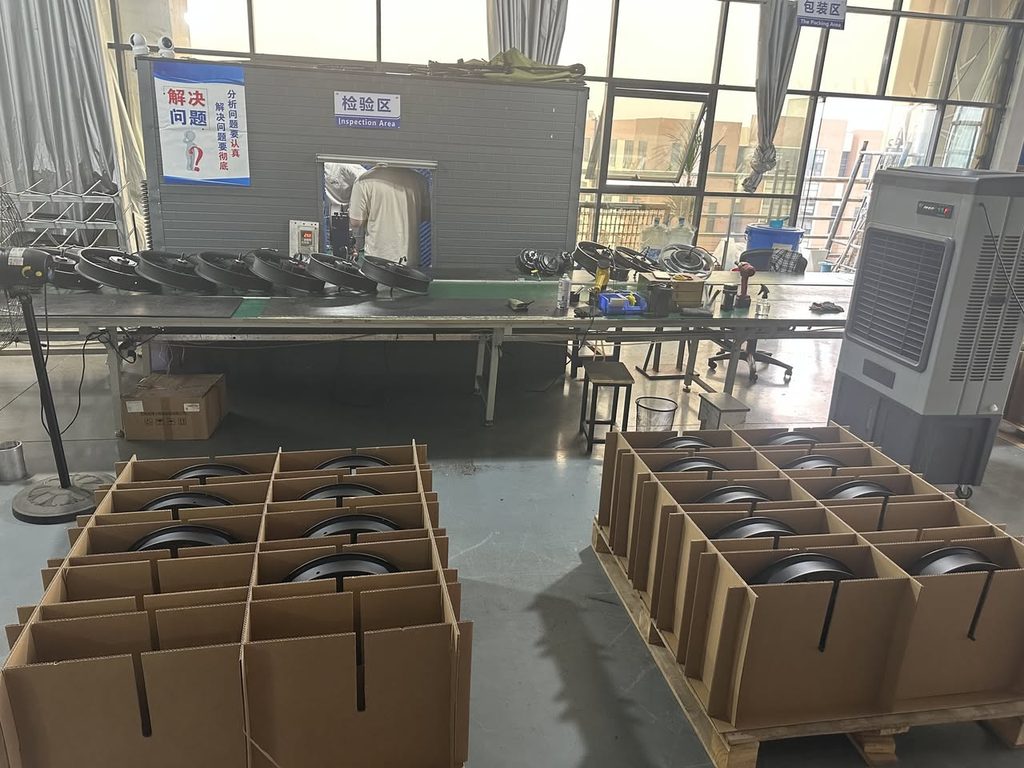
1. The Main Electric Bike Motor Types
Most electric bicycles use either a hub motor or a mid-drive motor. These two systems differ mainly in where the motor is installed and how it delivers power to the wheel.
Hub motors are installed inside the front or rear wheel hub. Mid-drive motors are mounted near the pedals and transfer power through the bicycle’s drivetrain.
Within these categories, there are further differences in motor construction and performance.
The main options include:
- Geared hub motors
- Direct-drive hub motors
- Mid-drive motors
- Front hub motors
- Rear hub motors
Understanding these differences helps buyers match the motor to the intended riding conditions, target customers, and product budget.
2. Geared Hub Motors
A geared hub motor contains an electric motor connected to the wheel through an internal reduction gear system. The gears allow the motor to rotate faster than the wheel while delivering useful torque at the wheel.
This design is widely used in commuter bikes, folding e-bikes, and many fat tire models.
Advantages of Geared Hub Motors
One major advantage is their relatively low weight. Geared hub motors can provide useful acceleration and hill-climbing performance without requiring a large, heavy motor assembly.
They are also well suited to applications where compact design and cost control matter.
For example, an urban commuter bike needs enough assistance for traffic lights, moderate inclines, and everyday travel. A properly selected geared hub motor can meet these requirements without adding unnecessary weight or cost.
Geared hub motors can also work well for folding bikes because manufacturers can balance motor performance with portability.
Limitations of Geared Hub Motors
Geared hub motors contain moving mechanical components, including internal gears. These components can wear over time and may require maintenance or replacement.
Their performance also depends on the specific design, gear reduction, controller, and thermal management.
A small geared hub motor is not automatically suitable for every steep hill or heavy-load application. Buyers should evaluate the complete system rather than relying on the motor’s wattage alone.
Best Applications
Geared hub motors are commonly considered for:
- Urban commuter e-bikes
- Folding electric bikes
- Everyday recreational riding
- Lightweight utility bikes
- Cost-conscious product ranges
For brands developing practical electric bicycles for daily transportation, a geared hub motor can be a sensible starting point.
3. Direct-Drive Hub Motors
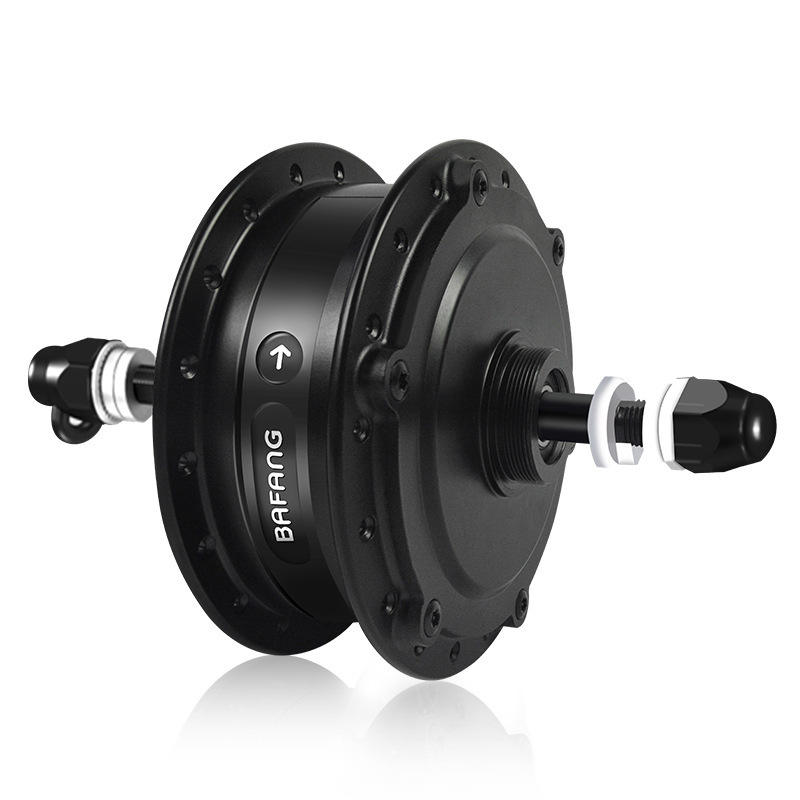
A direct-drive hub motor uses a different internal design. The motor’s rotor is connected directly to the wheel, without the reduction gear system found in geared hub motors.
These motors are often larger and heavier than geared hub motors, but their simpler mechanical construction offers several advantages.
Advantages of Direct-Drive Hub Motors
Direct-drive motors have fewer mechanical components subject to wear because they do not use internal reduction gears.
Many designs also support regenerative braking, which allows the motor to act as a generator during braking or deceleration.
However, regenerative braking is not available on every direct-drive system. The motor, controller, and electrical configuration must support it.
Direct-drive motors can also be suitable for applications that benefit from a robust motor structure and sustained operation within the motor’s intended performance range.
Limitations of Direct-Drive Hub Motors
Weight is an important consideration. A larger motor can increase the overall weight of an electric bike, making it less convenient to carry or maneuver.
Direct-drive motors may also deliver less torque at low wheel speeds than a suitably designed geared motor of comparable size, depending on the specific motor and controller.
They can be a good choice for some commuting and utility applications, but buyers should evaluate low-speed performance, hill climbing, and thermal characteristics before making a decision.
Best Applications
Direct-drive hub motors may be suitable for:
- Certain commuter and utility bikes
- Applications where low mechanical complexity is important
- E-bikes designed to support regenerative braking
- Products where additional motor weight is acceptable
The right choice depends on the bike’s intended use rather than the motor category alone.
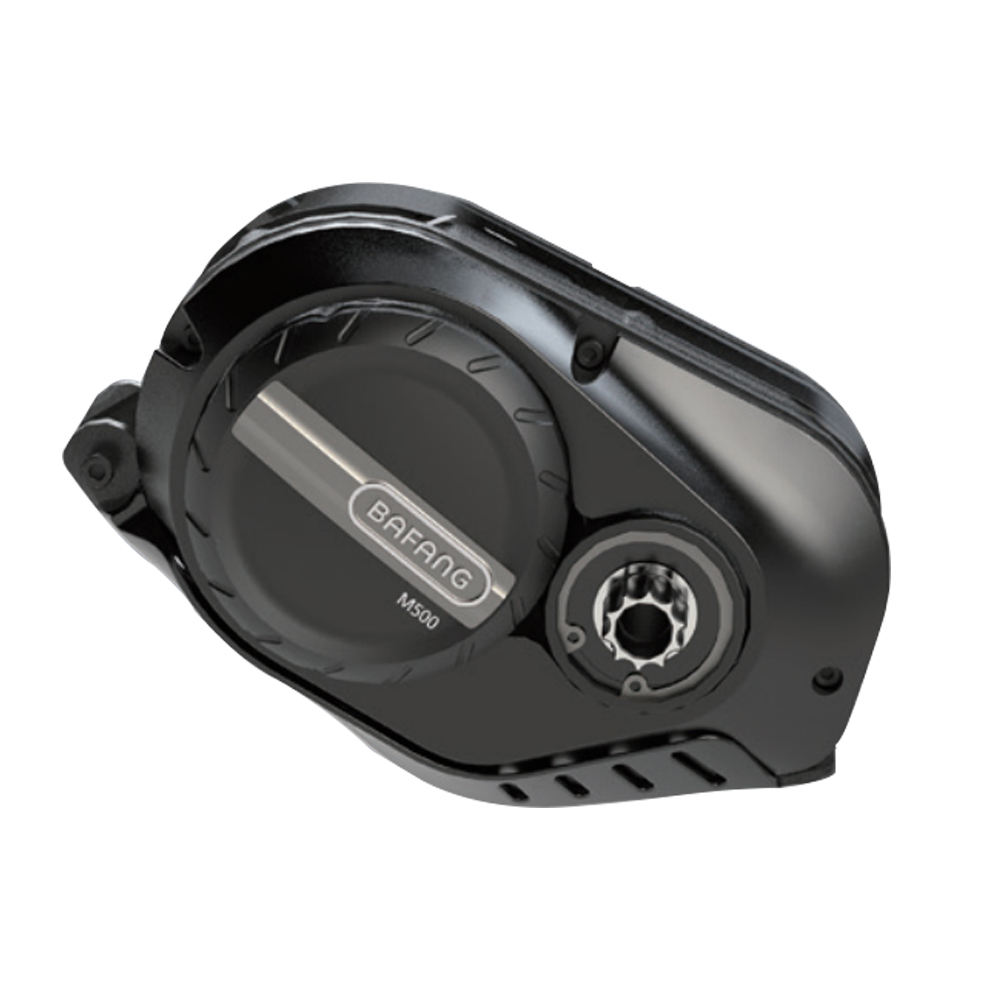
4. Mid-Drive Electric Bike Motors
A mid-drive motor is installed around the bicycle’s bottom bracket, where the pedals and crankset are located.
Instead of driving the wheel directly through a hub, the motor transfers power through the bicycle’s chain and gearing.
This arrangement allows the motor to take advantage of the bicycle’s gear ratios.
Advantages of Mid-Drive Motors
One of the main benefits is hill-climbing performance.
When the rider selects a lower gear, the motor can operate at a more suitable rotational speed while delivering power through the drivetrain. This can be particularly useful on steep climbs or when carrying additional weight.
Mid-drive motors also keep the motor’s weight near the center of the bicycle, which can contribute to balanced handling.
For premium electric mountain bikes, performance-oriented commuter bikes, and certain cargo applications, these characteristics can be valuable.
Limitations of Mid-Drive Motors
Mid-drive systems are generally more mechanically integrated with the bicycle.
Because motor power passes through the chain and drivetrain, these components may experience greater wear, particularly when riders apply high power while using unsuitable gears.
Mid-drive systems can also cost more and require more specialized integration than many hub motor designs.
For manufacturers, the frame, motor mounting system, drivetrain, and electrical components must be designed to work together. This can increase the complexity of product development.
Best Applications
Mid-drive motors are often considered for:
- Electric mountain bikes
- Premium performance e-bikes
- Bikes designed for demanding climbs
- Certain cargo and utility bikes
- Products where natural pedal assistance is a priority
For a brand targeting experienced riders or higher-end customers, a mid-drive system may justify its additional cost. For simpler everyday transportation, a hub motor may offer a more practical balance.
5. Front Hub Motors vs. Rear Hub Motors
Hub motors can be installed in either the front or rear wheel. Although both designs use a motor located in the wheel hub, their riding characteristics are different.
Front Hub Motors
A front hub motor pulls the bicycle forward by driving the front wheel.
One potential advantage is a relatively straightforward installation that does not directly involve the rear cassette or drivetrain.
However, front hub motors can affect steering feel and may lose traction more easily on loose or slippery surfaces, particularly when weight shifts toward the rear wheel.
The front fork must also be suitable for the motor’s torque and axle loads.
Front hub motors may be appropriate for certain lightweight commuter or conversion applications, but they are not the best solution for every bicycle design.
Rear Hub Motors
A rear hub motor drives the rear wheel, which is already responsible for transmitting much of the rider’s pedaling force to the ground.
This arrangement can provide a familiar riding feel and good traction under many normal conditions.
Rear hub motors are widely used in commuter bikes, fat tire e-bikes, and recreational electric bicycles.
They can also be practical for OEM projects because manufacturers can develop different products around established rear-wheel motor configurations.
However, installation and servicing may require attention to the rear drivetrain, axle design, and wheel removal procedure.
Which One Should Buyers Choose?
For many general-purpose electric bikes, a rear hub motor is a practical option.
Front hub motors may make sense when a particular design or conversion system calls for them.
The final decision should account for frame geometry, weight distribution, terrain, tire selection, braking performance, and intended use.
6. Motor Wattage Does Not Tell the Whole Story
Motor wattage is one of the most visible specifications in an electric bike catalog. However, it does not fully describe how a motor will perform.
Buyers should distinguish between rated power and peak power.
Rated power generally refers to the motor’s specified continuous power rating under defined conditions. Peak power refers to a higher power level that may be available for a limited period.
The exact definitions and legal treatment vary by market and applicable regulations.
For example, two motors with the same rated wattage can deliver different acceleration and climbing performance because of differences in torque, controller current, motor efficiency, and thermal design.
Understanding Torque
Torque describes the motor’s rotational force and is particularly relevant when starting from a stop or climbing hills.
A higher torque rating can be beneficial for demanding applications, but the number alone does not guarantee better real-world performance.
The motor’s speed range, controller programming, wheel size, gearing, and total bike weight also matter.
Understanding the Controller
The controller regulates how electrical power is delivered from the battery to the motor.
Its current limits, programming, and compatibility with the motor influence acceleration, responsiveness, and power delivery.
A well-matched motor and controller can provide a better riding experience than a system selected on motor wattage alone.
For OEM buyers, the complete electrical system deserves attention during product development.
7. How to Choose the Right Motor for Different E-Bike Applications
The best motor depends on what the bike is expected to do.
Commuter Electric Bikes
For everyday transportation, buyers often prioritize reliability, reasonable weight, comfortable acceleration, and cost.
A geared rear hub motor is a common option for this category. The final specification should reflect local terrain, expected rider weight, and applicable power limits.
Fat Tire Electric Bikes
Fat tire bikes are frequently used for recreation, mixed surfaces, and occasional off-road riding.
A rear hub motor can be a suitable choice for many models, but the motor should be matched to the wheel size, total vehicle weight, and expected terrain.
A powerful motor is not a substitute for suitable brakes, tires, frame strength, and thermal management.
Electric Delivery Bikes
Delivery bikes may operate for several hours per day and experience repeated starts, frequent stops, and varying loads.
For these products, buyers should pay close attention to motor durability, low-speed performance, controller protection, battery capacity, and serviceability.
The ability to replace components efficiently can be just as important as initial motor performance.
Electric Mountain Bikes
Mountain bikes face steep climbs, changing traction, and repeated variations in motor load.
A mid-drive motor can be attractive because it works through the bicycle’s gearing. However, the complete system must be designed for the intended terrain and rider expectations.
Frame strength, suspension, brakes, drivetrain durability, and thermal performance should all be evaluated together.
Cargo and Utility E-Bikes
Cargo bikes need to move additional weight while maintaining predictable handling.
Both hub and mid-drive motors can be used, depending on the design. Buyers should evaluate the loaded vehicle weight, starting torque, sustained climbing ability, braking system, and expected daily operating hours.
The right motor is the one that can perform reliably within the complete vehicle’s design limits.
8. What OEM Buyers Should Consider Before Selecting a Motor
For an electric bike brand or distributor, motor selection involves more than choosing a specification from a catalog.
The motor must fit the product’s target market, intended use, price range, and regulatory requirements.
Before placing a bulk order, consider the following points.
Target customers and riding conditions
Define whether the bike is intended for commuting, recreation, delivery, mountain riding, or utility use. This helps narrow down the appropriate motor architecture.
Rated power and local regulations
Confirm the applicable requirements in each sales market. Motor power, assistance speed, throttle operation, and vehicle classification may be regulated differently across jurisdictions.
Battery and controller compatibility
The battery, controller, motor, wiring, and display must be compatible. Changing one component can affect the performance or certification status of the complete electrical system.
Frame and mechanical integration
Check motor mounting, axle dimensions, wheel compatibility, cable routing, brake clearance, and access for maintenance.
Quality control and after-sales support
Ask how the motor system is tested and whether replacement components can be supplied. For distributors and retailers, access to technical information and spare parts can reduce the time needed to resolve customer issues.
Certification and documentation
Determine which certifications and technical documents are required for the intended market and exact product configuration. Do not assume that a component certificate automatically establishes compliance for the complete electric bicycle.
Working through these points before production can help avoid unnecessary redesigns and unexpected costs.
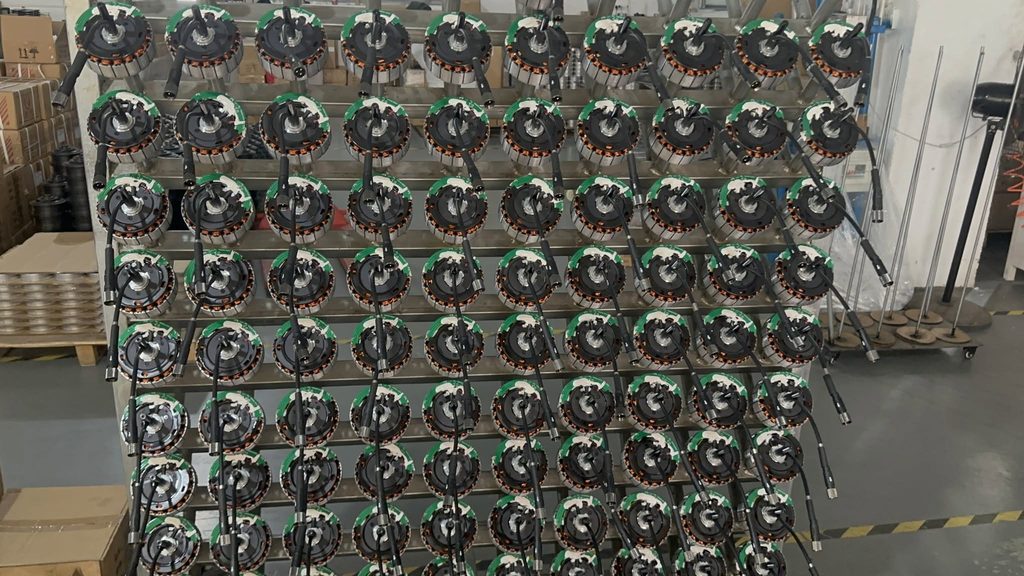
9. Working With an Electric Bike OEM Manufacturer
For companies developing their own electric bike brands, motor selection is usually part of a broader product development process.
An OEM manufacturer can help evaluate available motor configurations, battery options, frame compatibility, and other components according to the project’s requirements.
The most suitable approach depends on the product and order plan.
Some businesses start with an existing model and customize the logo, colors, or selected specifications. Others need more extensive engineering work to develop a product for a specific customer group.
If you are comparing suppliers, look beyond the motor specification. Ask about minimum order quantities, sample development, production lead times, quality control, certifications, and spare parts availability.
These factors affect the total cost and practicality of bringing an electric bike to market.
For businesses exploring product development, working with an experienced electric bike OEM manufacturer can help clarify which motor configurations are practical for the intended application.
Companies considering their own branding and product specifications can also explore custom electric bikes before deciding how much customization their project requires.
Conclusion
Understanding the different electric bike motor types helps buyers make better decisions about performance, product positioning, and long-term costs.
Geared hub motors are often suitable for practical commuter and recreational bikes. Direct-drive hub motors offer a different balance of mechanical simplicity and weight. Mid-drive motors can be advantageous for demanding terrain and applications that benefit from bicycle gearing.
Front and rear hub motors also have different handling and integration considerations.
For electric bike brands, distributors, and wholesale buyers, the goal is not simply to choose the motor with the highest wattage. It is to select a complete system that matches the intended use, local regulations, target price, and after-sales requirements.
A clear understanding of these factors makes it easier to compare manufacturers, evaluate quotations, and develop electric bikes that meet customer expectations.
If you are planning a new electric bike range, choosing the motor system is a useful place to start the product discussion with your manufacturing partner.

Leave a Reply