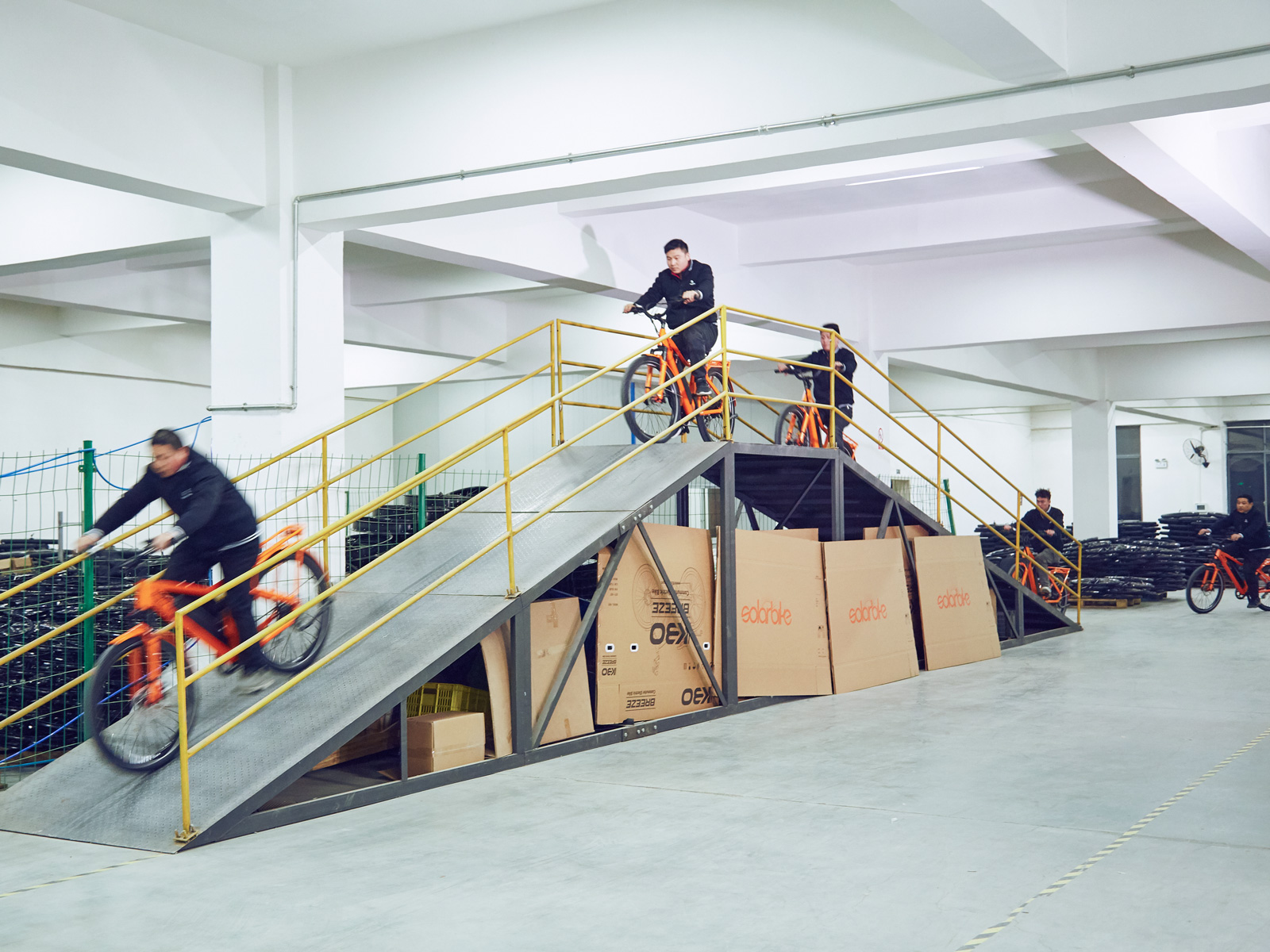
Urban transportation is getting more expensive due to rising fuel costs and the shift toward urban logistics electric vehicles., more regulated, and more congested. For businesses running delivery operations, managing local fleets, or building distribution channels, the real question is no longer “should we use ebikes?” but rather “what kind of ebike actually works in daily commercial use?”
This article breaks down the problem from a practical angle—not consumer hype—and helps B2B buyers (delivery platforms, fleet operators, and regional distributors) understand what matters when choosing urban ebikes at scale.
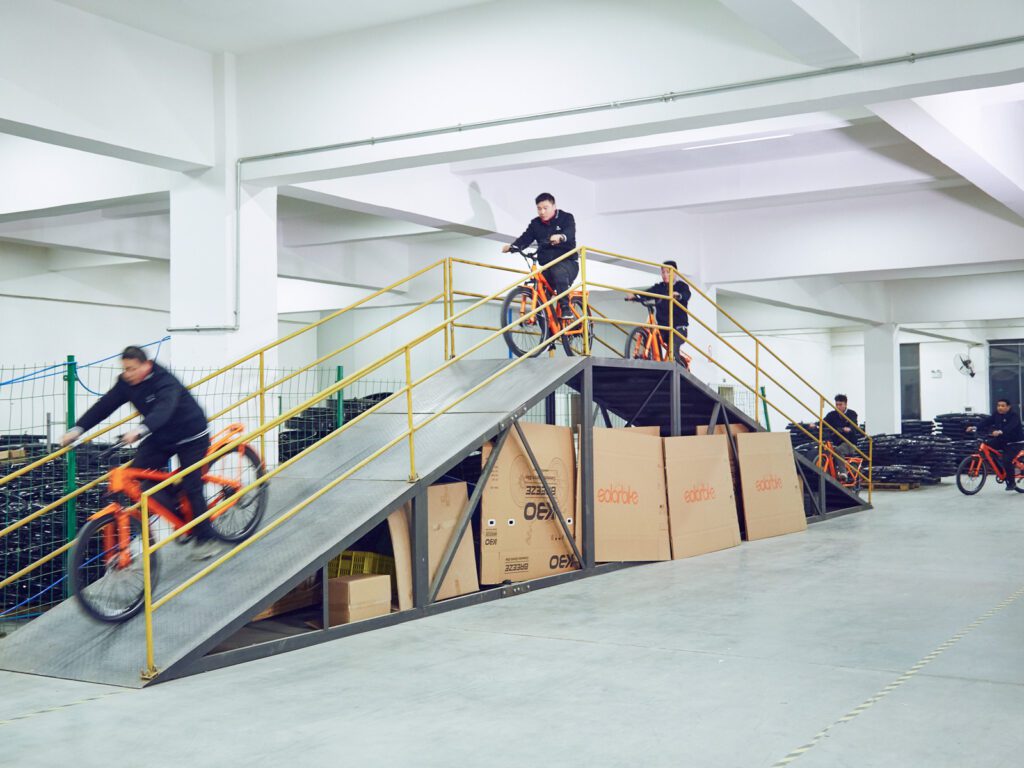
Why Urban Transportation Is Breaking Traditional Fleet Models
City logistics is under pressure from three sides:
- Rising fuel and maintenance costs for scooters and vans
- Delivery density increasing (shorter trips, more stops)
- Regulations pushing low-emission or zero-emission zones
For many operators, especially food delivery and last-mile logistics, traditional vehicles are simply not efficient anymore. The shift toward electric bicycles is not a trend—it’s a cost structure change.
But here’s the issue:
Not every ebike is suitable for commercial electric bikes for delivery fleets in real-world operations.
The Real Requirements for Urban Commercial Ebikes
Most consumer ebikes fail in B2B environments because they are designed for lifestyle riding, not continuous operation.
For urban fleets, the key requirements are:
1. Durability over aesthetics
Urban delivery means potholes, curbs, rain, and constant stop-and-go usage. Frames, motors, and wiring must withstand daily commercial stress.
2. Battery reliability and swap capability
Downtime kills delivery efficiency. Businesses need:
- Long-cycle battery life
- Fast charging or swap systems
- Stable performance under load
3. Torque-focused motor systems
Urban use is not about top speed—it’s about:
- Acceleration from stop
- Hill climbing with cargo
- Stable performance at low speeds
4. Cargo and modular design
For delivery platforms and couriers:
- Rear racks or cargo boxes
- Front load options
- Modular customization for different use cases
5. Easy maintenance and parts availability
Fleet downtime is a direct revenue loss. Local spare parts availability and standardized components matter more than premium branding.
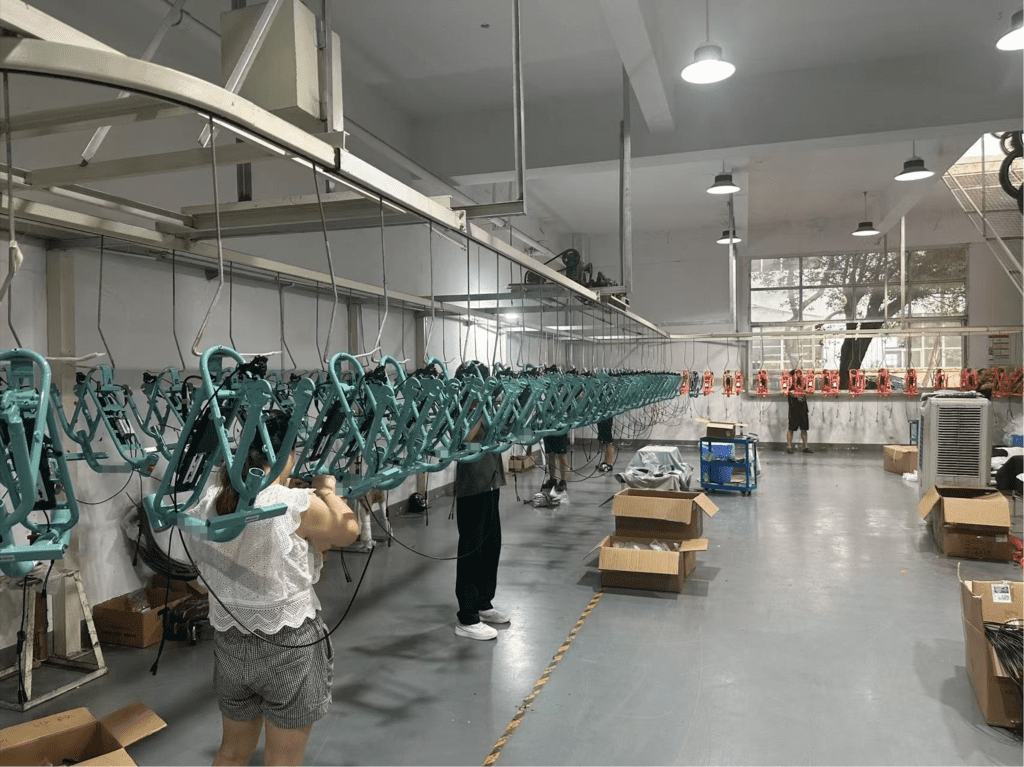
What Works Best for Urban Transportation Use Cases
Based on real deployment scenarios, urban ebikes generally fall into three B2B categories:
1. Food Delivery Ebikes
Food delivery companies rely heavily on a stable food delivery ebike fleet to maintain daily efficiency.Best for platforms like Uber Eats, DoorDash-style operations.
Key features:
- Lightweight frame for speed in traffic
- Mid-range battery (optimized for daily shift cycles)
- Rear cargo rack or insulated box compatibility
2. Last-Mile Logistics Ebikes
Used by courier companies and warehouse-to-door delivery.
Key features:
- Higher payload capacity
- Reinforced frames
- Larger batteries for extended routes
- More powerful motors (500W–750W range commonly used in commercial setups)
3. Fleet / Shared Mobility Ebikes
Used in campuses, hotels, industrial parks, or internal logistics systems.
Key features:
- IoT tracking integration
- Locking systems
- Centralized charging infrastructure
- High durability, low maintenance design
The Mistake Most Buyers Make
A common mistake B2B buyers make is purchasing consumer-grade ebikes and scaling them.
This leads to:
- High maintenance cost within 3–6 months
- Battery inconsistency across units
- Poor performance under continuous usage
- Lack of replacement parts standardization
In commercial deployment, the unit price is not the real cost.
The real cost is downtime + replacement cycles + operational inefficiency.
What B2B Buyers Should Ask Before Purchasing Ebikes
Instead of asking “How fast is it?” or “What is the range?”, buyers should focus on:
- Can this model be customized for our use case?
- Is OEM/ODM support available for branding and structural changes?
- What is the lifecycle cost per unit over 12–24 months?
- Are spare parts stocked locally or only overseas?
- Can the supply chain support batch orders consistently?
These questions separate consumer products from commercial-grade solutions.
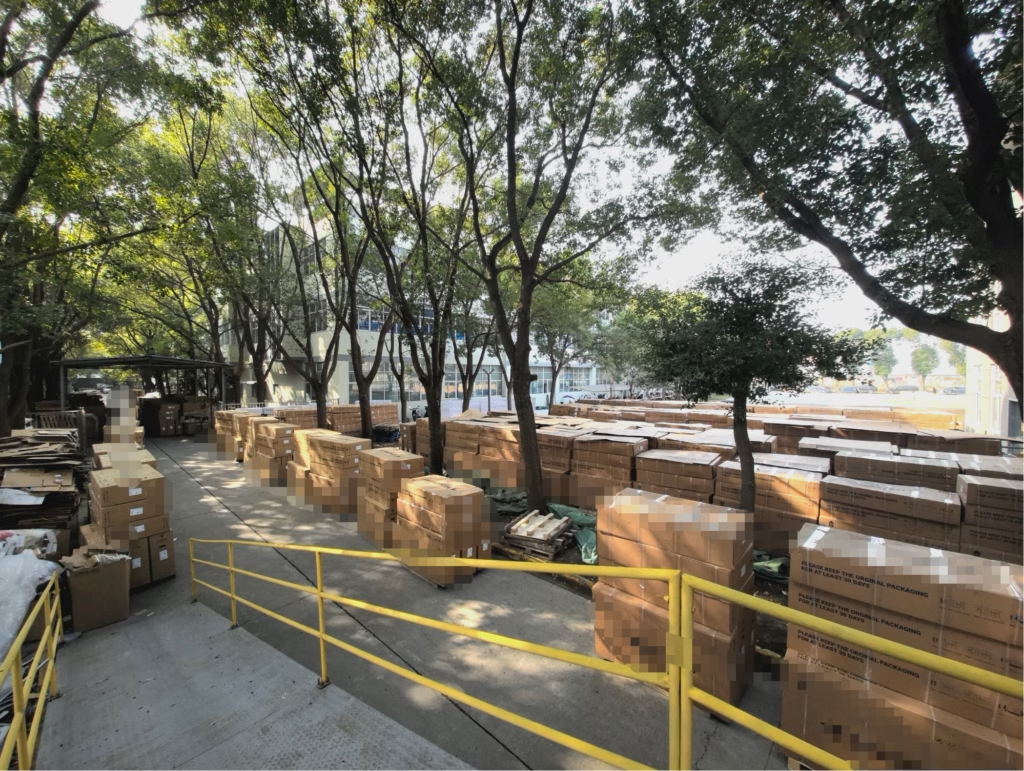
How We Work with B2B Buyers (OEM & Bulk Supply Focus)
For businesses operating in urban transportation—whether delivery platforms, regional distributors, or fleet operators—Many buyers move toward OEM electric bike customization instead of standard retail purchasing.:
- Bulk procurement with stable pricing
- OEM branding and customization
- Private-label manufacturing for local markets
- Long-term supply agreements
- Local warehouse and spare parts support
We focus on supporting scalable deployment rather than single-unit retail sales.
This means:
- Custom frame and branding options
- Different configurations for different regions
- Batch production based on demand cycles
- Support for logistics and after-sales structure
Final Thoughts
Urban transportation is shifting toward electric, but success in this space depends less on the “best ebike” and more on the right system design for commercial use.
For B2B buyers, the winning approach is not choosing a product—it’s building a supply model that supports:
- Consistency
- Maintenance efficiency
- Scalability
- Local adaptability
If you are building or expanding a fleet, distribution channel, or OEM brand in the ebike space, the focus should always be on long-term operational performance, not just specs on paper.

Leave a Reply