The global electric bicycle (eBike) market is growing rapidly. According to Statista 2026, the global market size has exceeded $42 billion, with a projected CAGR of 8–10% over the next five years. With the increasing demand for urban delivery and green transportation, B2B buyers are seeking high-quality, customizable electric bicycles, especially for food delivery platforms, local courier fleets, and regional distributors.
Choosing a reliable China eBike supplier or OEM partner is critical. This article provides an overview of market trends, customer needs, factory advantages, certifications, and supply chain capabilities, helping B2B buyers make informed decisions.
Market Trends and Opportunities
- Urban Delivery Driving eBike Demand The demand for last-mile delivery is rising in Europe and North America. For example, the European food delivery market is projected to reach $110 billion by 2026, with eBikes increasingly used for urban logistics. High durability, battery range, and cargo capacity are key requirements.
- Policies and Environmental Initiatives Regulations in the EU and North America, such as CE EN 15194 and UL 2849 standards, ensure eBike safety and compliance. Certified products are preferred by major delivery companies and commercial B2B buyers.
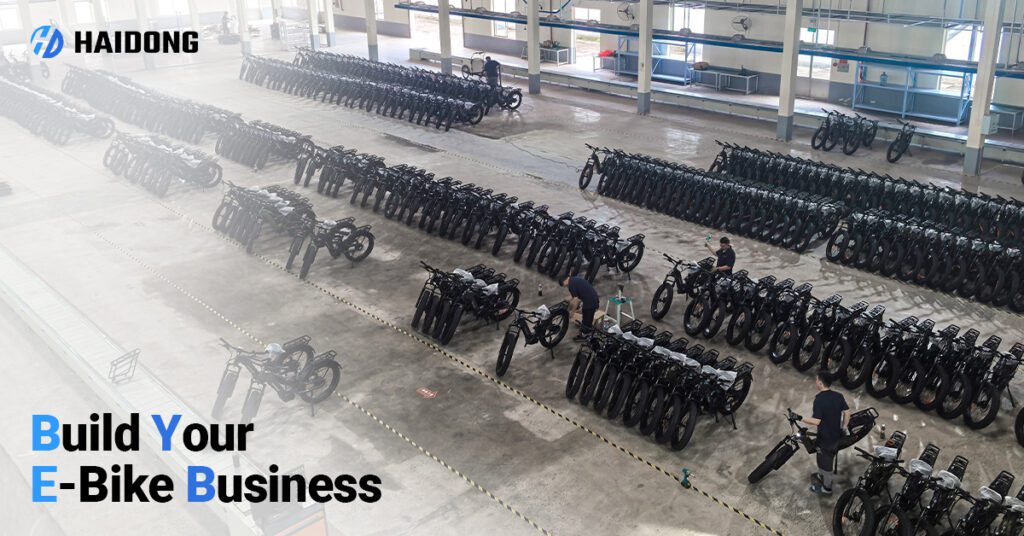
- Small-Batch OEM Potential Regional distributors, food delivery companies, and cross-border e-commerce businesses prefer small-batch, customizable eBikes that allow private labeling and OEM branding. Market data shows that orders of 30–200 units per model are growing fastest in North America and Europe.
Customization and Application Scenarios
- Flexible Design Options Each model supports 30–200 unit small-batch production, suitable for OEM and private label clients. Customers can adjust frame design, cargo racks, battery capacity, and more.
- Scenario-Specific Optimization
- Long-range batteries: Up to 20Ah, ideal for high-frequency urban delivery.
- Durable frames: Designed for heavy use and cargo loads.
- Easy maintenance: Modular parts for fast replacement.
- Cargo optimization: Rear racks, front baskets, or custom platforms.
- Overseas Support Warehouses in the US and Europe provide spare parts and after-sales support, ensuring uninterrupted operations for clients.
Factory and Supply Chain Advantages
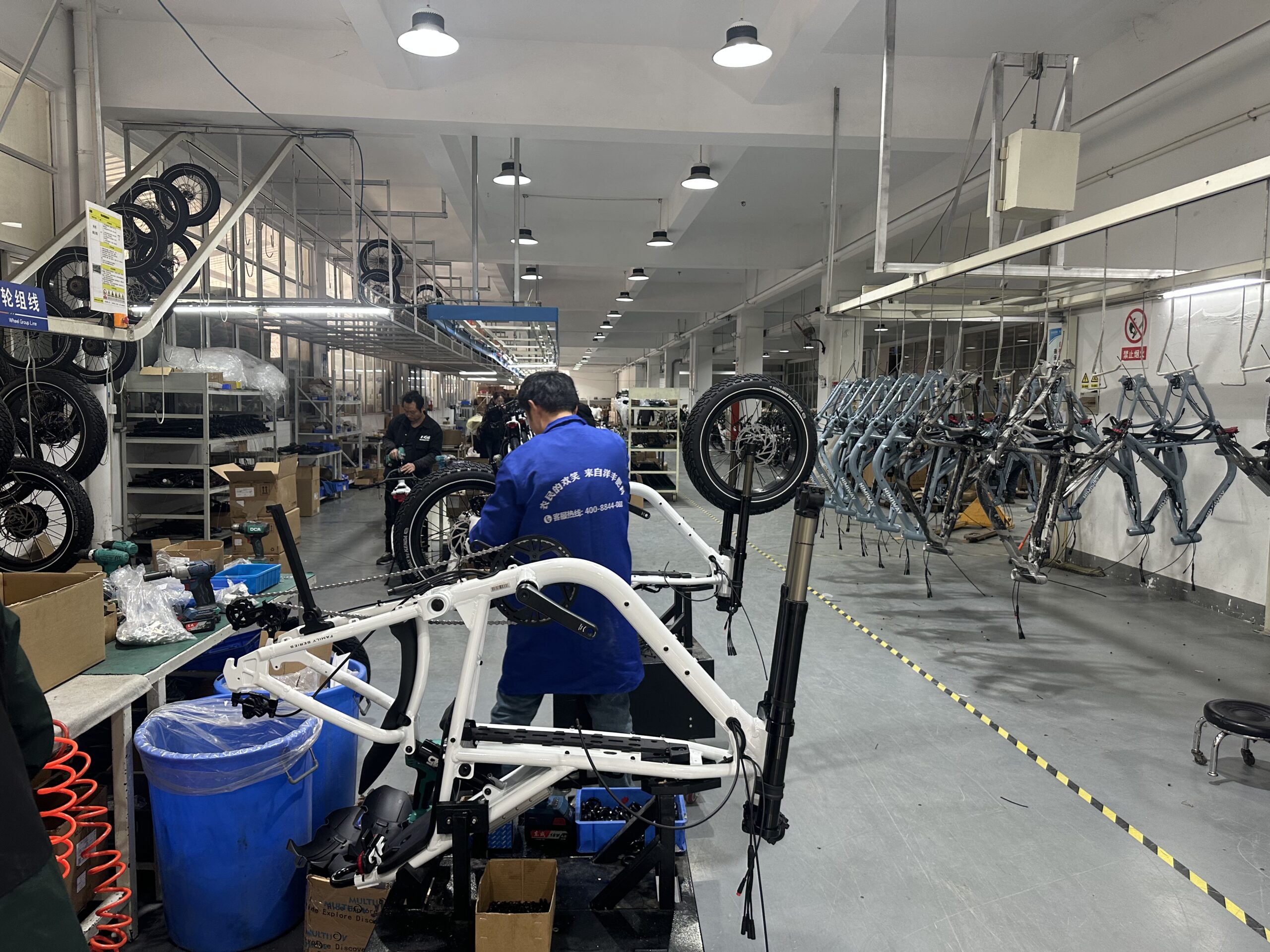
- Dual Production Bases Factories in China and Vietnam serve different markets. Vietnam production focuses on EU exports to reduce tariffs, while China ensures quick response to North American orders.
- Cost Control Mature supply chains enable stable material costs and flexible small-batch production.
- Experienced OEM Manufacturing Long-term experience with American and European food delivery platforms allows custom color, logo, and configuration options tailored to client brands.
Certifications and Compliance
- North America
- UL 2849 certified: Ensures electrical safety.
- Components and full bikes comply with local laws.
- Europe
- CE EN 15194 certified: Required for EU urban commuting and delivery.
- Vietnam factory can issue a certificate of origin, lowering EU customs costs.
Certifications help B2B buyers ensure compliance and smooth customs clearance.
Core Models and Use Cases
| Model | Application | Key Features |
|---|---|---|
| A3 | Urban commuting | 36V 250W motor, 20Ah battery, durable frame |
| A4 | Food delivery | Cargo optimized, long-range battery, modular maintenance |
| D5 | Urban logistics | Heavy-duty frame, large cargo capacity, easy maintenance |
Each model supports small-batch production and branding customization for various business needs.
How to Choose the Right OEM Partner
- Production Flexibility Small-batch customization and private labeling require adaptable production lines.
- Overseas Warehouses and After-Sales Timely parts supply and support ensure continuous operations.
- Certifications and Compliance UL, CE, and other certifications are key evaluation points for B2B buyers.
- Cost and Supply Chain Management Dual factories in China and Vietnam help control costs while maintaining supply stability.
Conclusion and Next Steps
The global eBike market continues to expand, with strong demand for small-batch, private-label, and reliable electric bicycles. Choosing a partner with mature supply chains, OEM experience, and overseas warehouse support reduces risks and lowers costs.
For more details on models and pricing, visit our product page or contact our sales team to discuss customized eBike solutions tailored to your business needs.

Leave a Reply