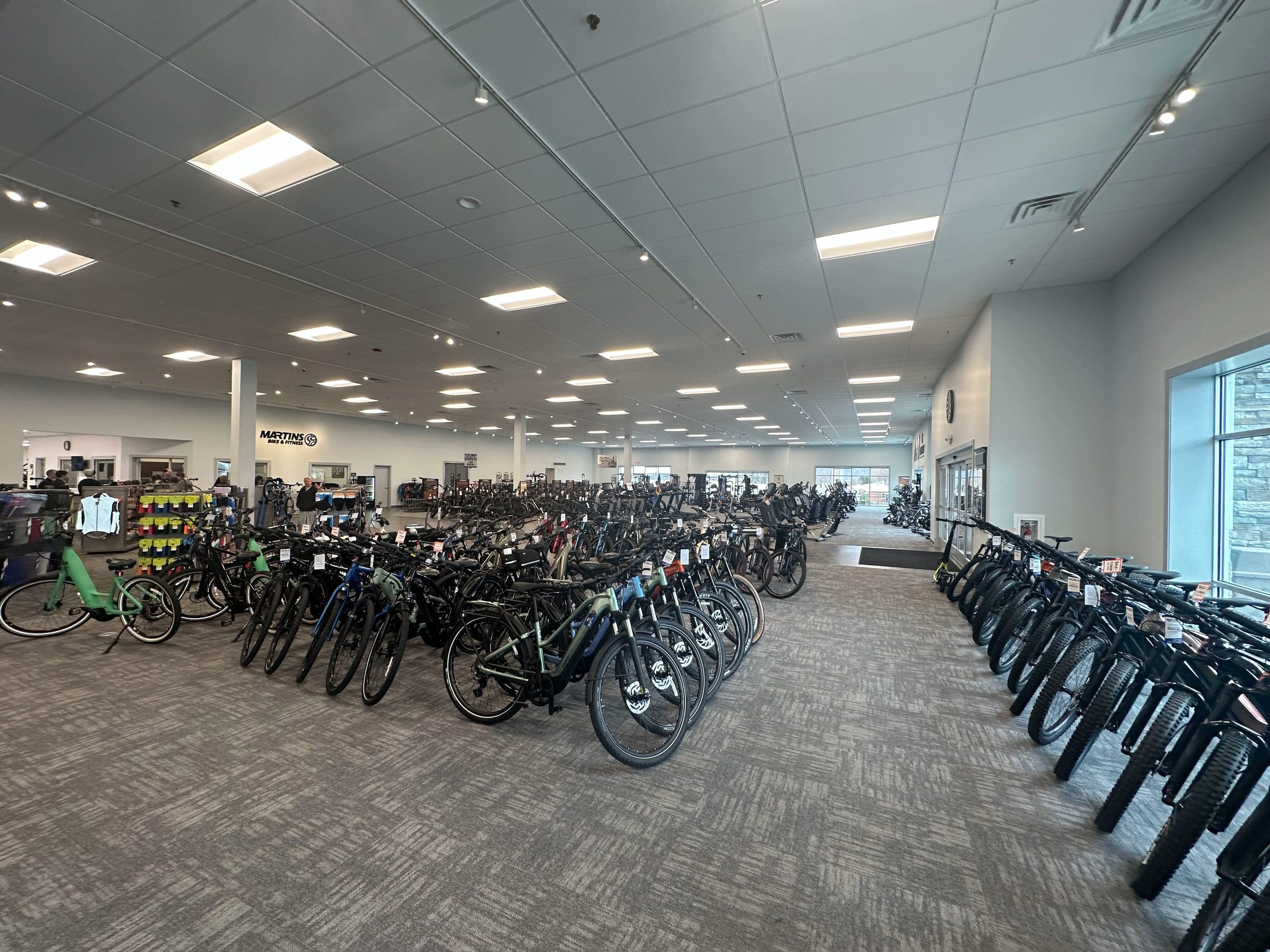
Electric bikes are becoming an important part of commercial transportation. From food delivery and urban logistics to bike rental and daily commuting, more businesses are using electric bikes to improve operational efficiency and manage transportation costs.
For companies building their own electric bike brands, OEM manufacturing provides a way to develop a product line without establishing a complete production facility. Working with an experienced Electric Bike OEM Manufacturer allows brands to customize product specifications, branding, and components while focusing on sales and market development.
HAIDONG E-Bike works with international businesses to provide electric bike manufacturing, OEM and ODM services, and private-label solutions for different commercial applications.
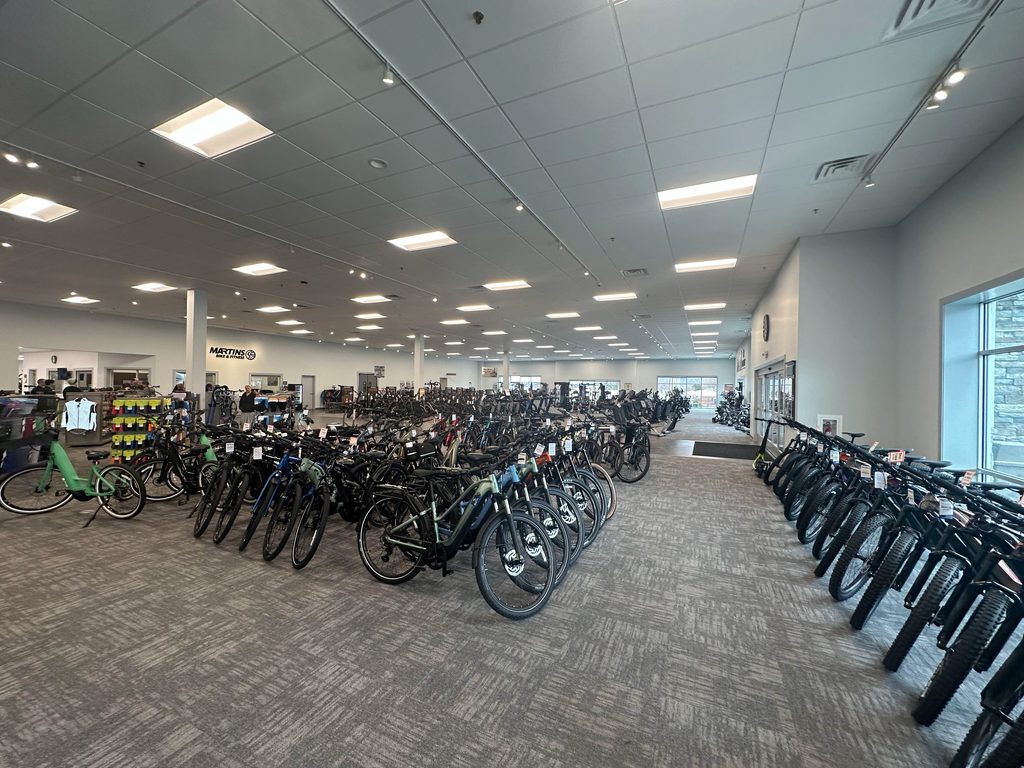
What Is a Commercial Electric Bike?
A commercial electric bike is designed for business use rather than occasional personal riding. Depending on the application, it may need to handle longer daily operating hours, frequent stops, heavier loads, or repeated use by different riders.
Commercial electric bikes are commonly used in several industries.
Food Delivery and Last-Mile Logistics
Delivery companies need electric bikes that can handle daily routes and frequent stops. Battery capacity, frame durability, braking performance, and riding comfort are important considerations.
Businesses may also require rear racks, front baskets, phone holders, and other accessories to support delivery operations.
For companies managing a delivery fleet, selecting the right configuration can help balance purchase costs, maintenance requirements, and daily operating needs.
Commercial Commuting
Some businesses provide electric bikes for employees, corporate transportation programs, and urban mobility services.
These applications often require practical commuter models with comfortable riding positions, dependable components, and sufficient battery capacity for regular journeys.
A commercial ebike manufacturer can help businesses select models that match their routes, rider requirements, and expected daily mileage.
Rental and Shared Mobility
Rental operators need electric bikes that are suitable for repeated use and straightforward maintenance.
Frame construction, component availability, battery management, and replacement parts all influence the long-term operation of a rental fleet.
Before placing a bulk order, businesses should discuss their intended use with the manufacturer and confirm whether the selected model is suitable for the expected operating conditions.
How to Choose the Right Commercial Ebike Manufacturer
Not every electric bike supplier has the manufacturing capabilities required for commercial projects. Businesses should evaluate several factors before choosing a long-term supplier.
1. Manufacturing Experience and Production Capacity
Production capacity matters when a business needs dozens or hundreds of electric bikes within a specific timeframe.
A suitable manufacturer should be able to explain its production process, quality control procedures, assembly capacity, and expected lead times.
HAIDONG E-Bike operates with a manufacturing and engineering team focused on electric bikes for international markets. Its production capabilities support bulk orders and customized projects for overseas business customers.
When evaluating a supplier, buyers should also ask how production schedules are managed and how the factory handles quality issues identified during assembly or final inspection.
2. Product Range for Different Commercial Applications
Different businesses require different types of electric bikes.
Food delivery operators may prioritize practical frames, larger batteries, and cargo accessories. Commuter brands may focus on riding comfort, appearance, and component specifications. Rental companies may place greater emphasis on maintenance and fleet consistency.
Working with a manufacturer that offers multiple models makes it easier to select suitable products for different applications.
Before requesting a quotation, prepare a list of your main requirements, including wheel size, motor configuration, battery capacity, braking system, and intended use.
This information helps the manufacturer recommend an appropriate model instead of offering a product that does not fit your business needs.
3. OEM and ODM Customization Services
For established brands and businesses developing their own product lines, customization can be an important part of the sourcing process.
For brands looking to develop their own products, working with a Custom Electric Bike Manufacturer can help turn their ideas into market-ready electric bikes. From frame colors and brand logos to battery configurations and component selection, customization options can be tailored to the target market and business requirements.
Common customization options include:
- Brand logos and frame decals
- Frame colors and finishes
- Battery capacity and configuration
- Motor and drivetrain specifications
- Braking systems and other components
- Racks, fenders, baskets, and accessories
- Product packaging for bulk orders
Not every customization option is available for every model. Some changes may require new components, engineering work, sample testing, or a higher minimum order quantity.
At HAIDONG, customization projects are discussed according to the customer’s target market, product requirements, and expected order volume.
For new brands, starting with an existing frame platform and a limited number of configurations can help reduce development complexity and inventory pressure.
4. Quality Control and Product Compliance
Quality control is particularly important for commercial electric bikes because they may be used frequently and maintained by different operators.
Buyers should understand how the manufacturer checks frame assembly, electrical connections, braking systems, battery installation, and overall product functionality.
It is also important to identify the certifications and testing documents required in the destination market.
Requirements vary depending on the country, product configuration, and intended use. Buyers should confirm the applicable standards before finalizing the product specifications.
Where relevant, ask the supplier to provide available test reports and certification documentation for the specific model and configuration being purchased.
A clear inspection process before shipment can also help identify issues before the bikes reach the buyer’s warehouse or distribution network.
5. After-Sales Support and Spare Parts
For a commercial fleet, the purchase price is only one part of the total cost.
A damaged component or unavailable replacement part can take a bike out of service. For delivery operators and rental businesses, repeated downtime can affect daily operations.
Before placing an order, discuss warranty coverage, spare parts availability, technical documentation, and the process for reporting product issues.
Businesses should also understand which components can be replaced locally and which may require assistance from the manufacturer.
A supplier that communicates clearly about after-sales responsibilities can make long-term fleet management easier.
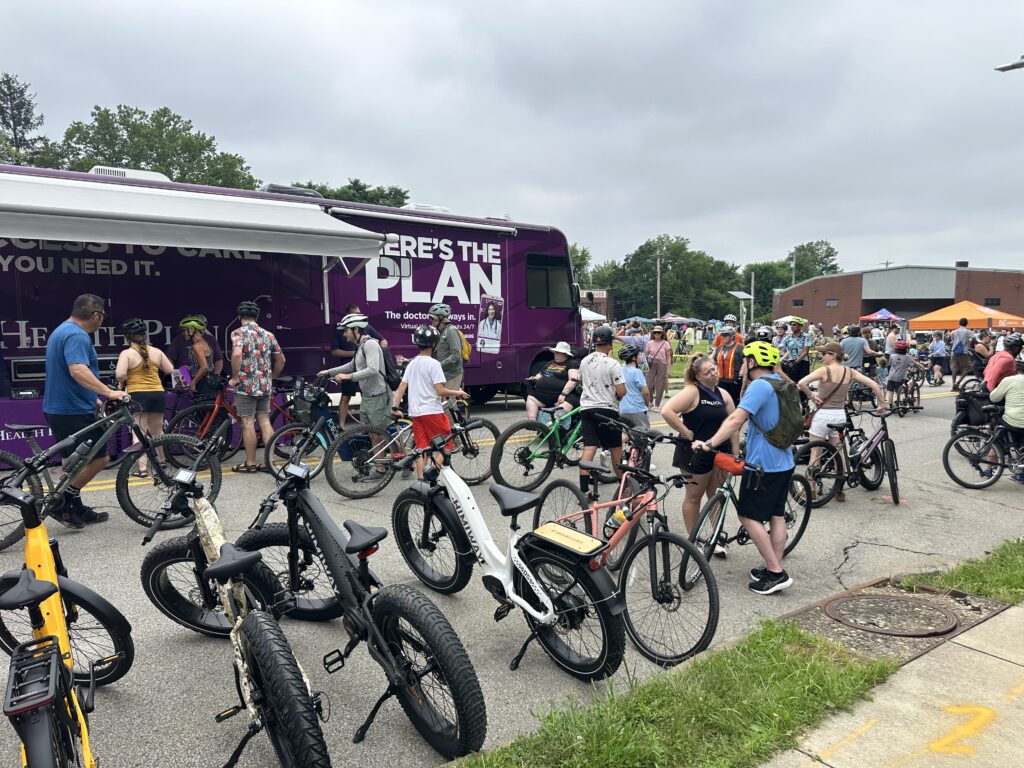
Why Battery Capacity Matters for Commercial Electric Bikes
Battery selection should be based on the actual requirements of the business rather than capacity alone.
For example, delivery riders may travel different distances depending on the city, delivery density, terrain, weather, cargo weight, and riding speed.
A larger battery may provide greater usable range, but it can also increase product cost and weight.
When selecting a commercial electric bike, consider the following factors.
Daily riding distance
Estimate the typical distance covered by each rider during a working day. Consider whether the bike will be recharged between shifts.
Charging arrangements
Businesses operating large fleets should plan where batteries will be charged, how charging equipment will be managed, and whether spare batteries are necessary.
Battery replacement
Ask about replacement battery availability, compatibility, and expected service requirements.
Motor and controller configuration
Motor power and controller settings should match the intended application and comply with local regulations.
A commercial ebike manufacturer can help buyers compare available configurations and select a practical balance between range, weight, cost, and performance.
OEM Electric Bikes for Delivery Businesses and Private-Label Brands
For companies building their own electric bike brands, OEM manufacturing provides a way to develop a product line without establishing a complete production facility.
For restaurants, delivery platforms, and fleet operators, Food Delivery Electric Bikes can help improve delivery efficiency while keeping operating costs under control.
Instead of investing in every stage of manufacturing, a brand can work with an experienced factory to coordinate product specifications, branding, production, and quality inspection.
HAIDONG E-Bike provides OEM and ODM services for international business customers, including dealers, distributors, and companies developing private-label electric bikes.
The process typically involves several stages.
Step 1. Define the target market
Identify the intended customers, local regulations, target retail price, and main application of the electric bike.
Step 2. Select a suitable model
Review available frames, battery configurations, motor options, and components to identify a model that meets the project requirements.
Step 3. Confirm customization details
Agree on branding, colors, accessories, specifications, packaging, and minimum order quantities.
Step 4. Review the sample
Evaluate the sample bike before moving to mass production. Any required changes should be confirmed before the final specifications are approved.
Step 5. Arrange bulk production
Once the specifications and commercial terms are confirmed, the factory schedules production according to the agreed order and delivery plan.
Step 6. Complete inspection and shipment
The bikes undergo the agreed inspection process before shipment. Shipping arrangements depend on the destination, order size, and agreed trade terms.
A clear process helps both parties manage expectations and reduces the risk of misunderstandings during product development and production.
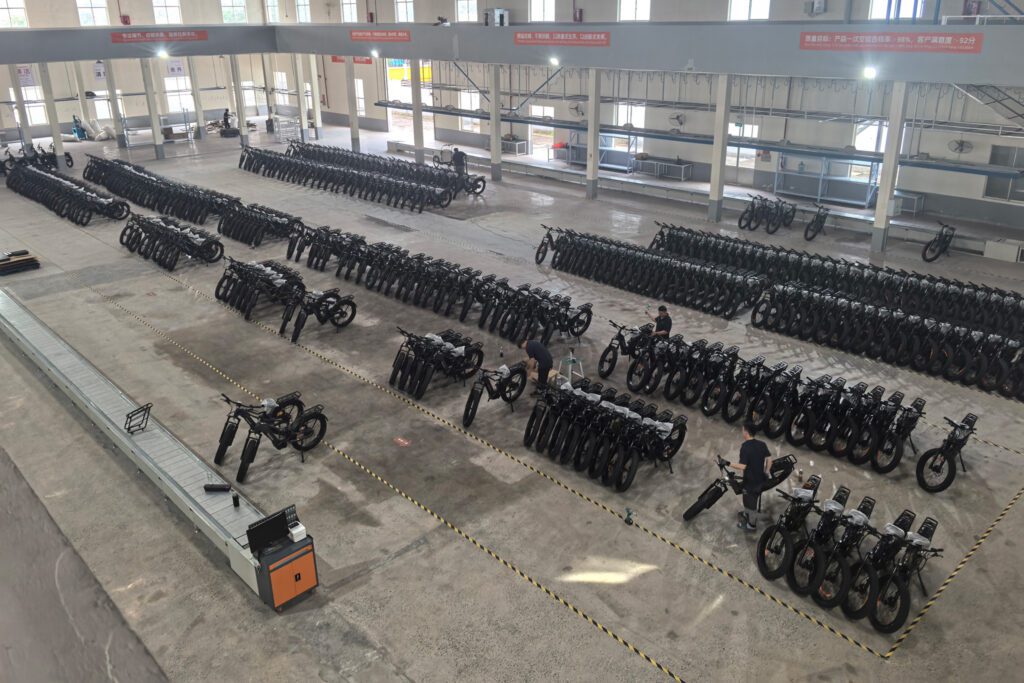
Working with an Electric Bike Factory in China or Vietnam
Manufacturing location is another consideration for businesses sourcing commercial electric bikes.
China has an established electric bike supply chain, including frame manufacturing, electrical components, batteries, and assembly. This can provide buyers with access to a broad range of components and product configurations.
Vietnam may also be an option for certain OEM projects, particularly when the buyer has specific sourcing or market-access requirements.
However, the right manufacturing location depends on the complete project rather than assembly costs alone.
Buyers should compare production costs, component sourcing, quality control, shipping arrangements, applicable import duties, and country-of-origin requirements.
For products entering the United States or European markets, tariff treatment and origin rules should be checked against the actual product and production process. Assembly in a particular country does not automatically qualify a product for preferential duty treatment.
HAIDONG supports international customers with manufacturing options in China and Vietnam, subject to model availability, project requirements, and production arrangements.
Discussing these factors early can help businesses choose a sourcing strategy that fits their long-term plans.
How Much Does a Commercial Electric Bike Cost?
The cost of a commercial electric bike depends on its specifications, order quantity, customization requirements, and delivery terms.
Several factors can influence the final quotation.
Motor and battery specifications
Higher-capacity batteries and different motor configurations can change the product cost.
Frame and component selection
Hydraulic brakes, drivetrain components, suspension systems, and other equipment affect the overall specification and price.
Customization requirements
Special colors, branding, packaging, and non-standard components may increase development costs or require additional investment.
Order quantity
Bulk orders can help distribute certain production and setup costs across more units. Minimum order quantities depend on the model and customization requirements.
Shipping and import costs
The final landed cost may include freight, insurance, customs duties, taxes, and local delivery, depending on the agreed shipping terms.
For a meaningful comparison, buyers should evaluate quotations based on equivalent specifications and delivery terms rather than comparing unit prices alone.
It is also worth considering the expected maintenance requirements, availability of replacement parts, and the intended service life of the bikes.
Why Work with HAIDONG E-Bike?
HAIDONG E-Bike focuses on B2B electric bike manufacturing and customized solutions for international customers.
The company works with overseas businesses looking for products that match their market positioning, commercial requirements, and branding plans.
Its capabilities include:
- OEM and ODM electric bike manufacturing
- Private-label customization for business customers
- Models for commuting and food delivery applications
- Product configuration based on project requirements
- Bulk production for dealers and distributors
- Manufacturing options in China and Vietnam
- Support with product specifications and pre-shipment inspection arrangements
HAIDONG is particularly suited to businesses looking for a manufacturing partner rather than simply the lowest-priced supplier.
For buyers developing a new electric bike brand or expanding an existing product range, the first step is to define the target market, expected order quantity, and required product specifications.
These details make it easier to identify a suitable model and establish a realistic production plan.
Find a Commercial Ebike Manufacturer for Your Business
Choosing a commercial ebike manufacturer involves more than finding a bike at the right price. Product suitability, production consistency, customization capabilities, compliance, and after-sales support all contribute to the success of a commercial electric bike project.
Whether you are sourcing bikes for a delivery fleet, expanding a dealership, or developing a private-label brand, working with a manufacturer that understands your business requirements can simplify the process.
HAIDONG E-Bike works with international B2B customers on electric bike sourcing, OEM and ODM projects, and customized bulk orders.
If you are planning a commercial electric bike project, contact HAIDONG E-Bike to discuss your target market, product requirements, and expected order quantity.

Leave a Reply