
The battery is one of the most important components of an electric bicycle. It directly affects riding range, motor performance, overall bike weight, charging time, and long-term reliability. For manufacturers, distributors, and e-bike brands, selecting the right lithium battery for electric bikes is essential when developing a competitive product. Choosing reliable Electric Bike Battery Solutions also helps brands meet different performance requirements and target market expectations.
As the global e-bike market continues to develop, customers are paying more attention to battery capacity, cell quality, safety standards, and battery integration. A well-designed battery system does more than provide power. It also influences the overall riding experience and the long-term maintenance requirements of an electric bicycle.
This guide explains the main types of lithium batteries, how to understand battery specifications, what affects riding range, and what B2B buyers should consider when sourcing batteries for electric bike manufacturing.
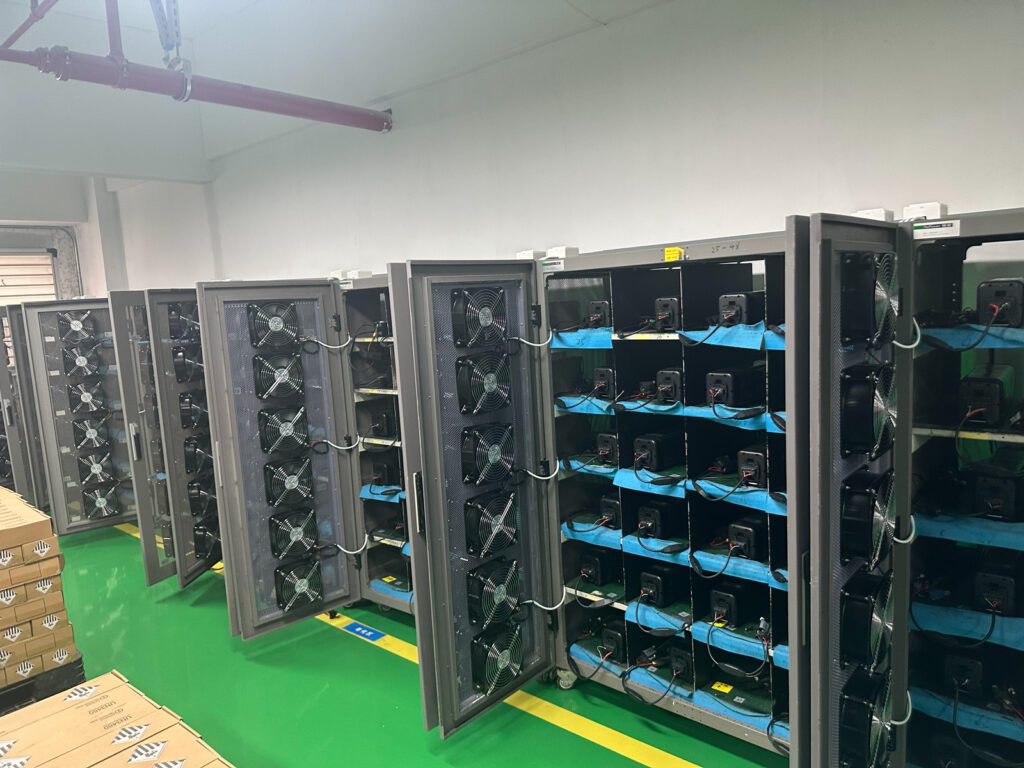
1. Why Lithium Batteries Are Used in Electric Bikes
Lithium-ion batteries have become the standard power source for most modern electric bicycles. Compared with traditional lead-acid batteries, lithium batteries offer higher energy density, lower weight, better charging efficiency, and more flexible installation options.
These advantages make lithium technology suitable for different electric bicycle applications, including commuter bikes, mountain e-bikes, cargo bikes, folding bikes, and commercial delivery bicycles.
There are several reasons why manufacturers prefer lithium battery systems.
Higher Energy Density
Lithium batteries can store more energy in a relatively small and lightweight package. This allows manufacturers to develop electric bicycles with longer riding ranges without significantly increasing the overall weight.
Lower Weight
Weight is an important consideration in electric bicycle design. A lighter battery makes the bike easier to handle, transport, and ride, particularly for folding and commuter models.
Flexible Battery Design
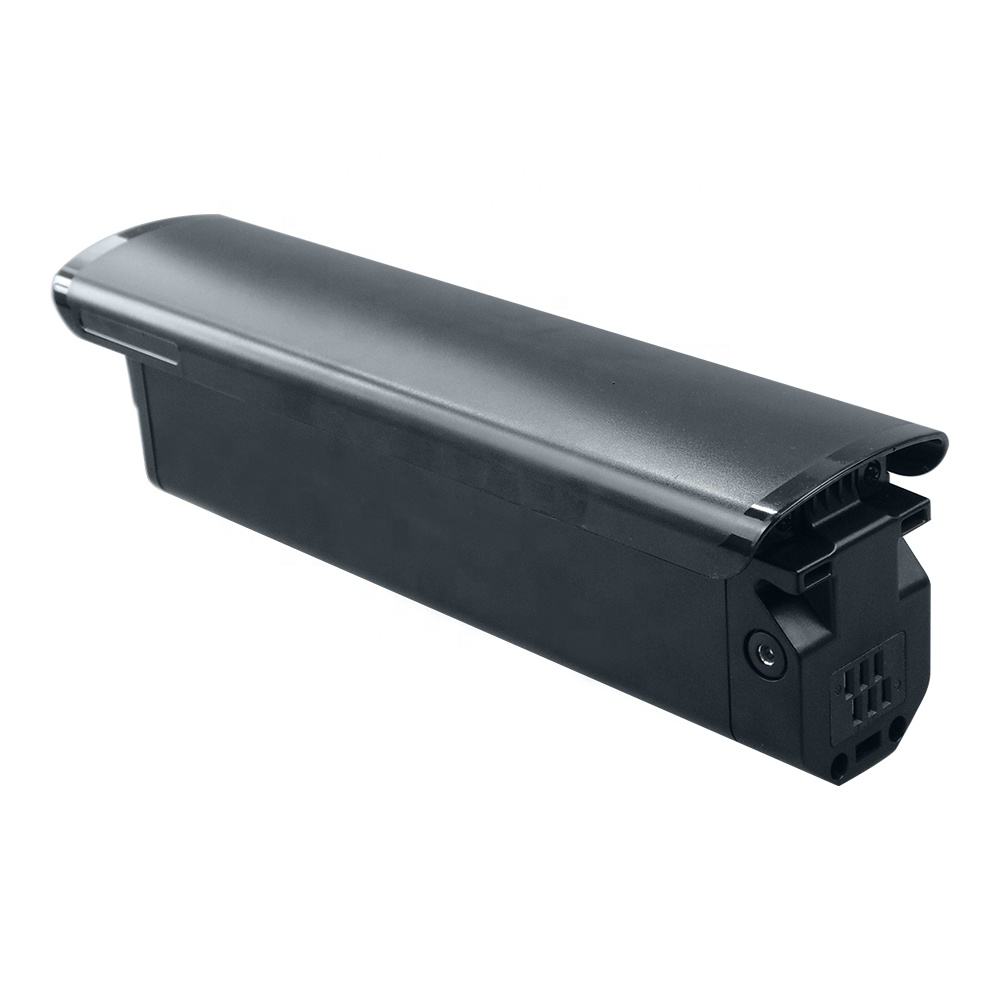
Lithium battery packs can be designed in different shapes and sizes. Common configurations include external down-tube batteries, integrated frame batteries, rear rack batteries, and removable battery systems.
Better Charging Performance
Lithium batteries generally support efficient charging and can be designed around different charging capacities and customer requirements.
For these reasons, lithium technology has become a practical choice for manufacturers developing modern electric bicycles for international markets.
2. Common Types of Lithium Batteries for Electric Bikes
Not all lithium batteries use the same chemistry. Different battery chemistries offer different advantages in terms of energy density, safety characteristics, cost, and service life.
Understanding these differences helps e-bike manufacturers select the right battery for each application.
Lithium Nickel Manganese Cobalt Oxide (NMC)
NMC batteries are widely used in electric bicycles because they offer a good balance between energy density, weight, and performance.
Their main advantages include:
- High energy density.
- Relatively lightweight construction.
- Good balance between capacity and physical size.
- Flexible battery pack configurations.
NMC batteries are commonly used in commuter e-bikes, mountain e-bikes, folding electric bikes, and other models where battery size and weight are important.
However, proper battery management, thermal protection, and manufacturing quality are essential for safe operation.
Lithium Iron Phosphate (LiFePO4)
Lithium iron phosphate batteries are another option for electric mobility applications.
Their main characteristics include:
- Good thermal stability.
- Long potential cycle life under suitable operating conditions.
- Strong safety characteristics.
- Lower energy density compared with many NMC batteries.
Because of their chemistry, LiFePO4 batteries are often considered for applications where durability and thermal stability are priorities.
However, their larger size and higher weight for an equivalent energy capacity can make integration more challenging in compact electric bicycle frames.
Which Battery Chemistry Is Better?
There is no single battery chemistry suitable for every electric bicycle.
NMC is often preferred when manufacturers need a lightweight battery with relatively high energy density. LiFePO4 may be more suitable when battery durability and thermal stability are the primary considerations.
The final selection should depend on the intended application, available frame space, target price, required riding range, and applicable safety requirements.

3. Understanding Electric Bike Battery Voltage and Capacity
When comparing electric bike batteries, two specifications are particularly important: voltage (V) and amp-hours (Ah).
These specifications determine the battery’s electrical characteristics and energy storage capacity.
Battery Voltage
Voltage represents the electrical potential of the battery system.
Common electric bicycle battery voltages include:
- 36V
- 48V
- 52V
- 60V
- 72V
Different motor and controller systems are designed for specific voltage ranges.
For example, 36V and 48V systems are commonly found in commuter and recreational electric bicycles. Higher-voltage systems are used in some performance-oriented electric bikes and specialized applications.
When selecting a battery, the voltage must be compatible with the motor, controller, display, charger, and other electrical components.
Battery Capacity
Battery capacity is usually measured in amp-hours (Ah).
A higher Ah rating generally means the battery can store more electrical charge when compared at the same voltage.
However, amp-hours alone do not provide a complete picture of battery energy.
To compare different battery systems, manufacturers should calculate watt-hours (Wh).
The formula is:
Watt-hours (Wh) = Voltage (V) × Amp-hours (Ah)
For example:
| Battery Specification | Energy Capacity |
|---|---|
| 36V 10Ah | 360Wh |
| 48V 10Ah | 480Wh |
| 48V 15Ah | 720Wh |
| 48V 20Ah | 960Wh |
| 52V 20Ah | 1,040Wh |
A 48V 15Ah battery provides 720Wh of nominal energy.
This is a useful specification for comparing different electric bicycle models and estimating their potential riding range.
4. How Far Can an Electric Bike Battery Go?
Riding range is one of the most common questions from electric bicycle buyers.
However, battery capacity alone cannot determine the actual distance an electric bicycle can travel.
Several factors influence energy consumption.
Motor Power and Efficiency
A motor with higher power output may consume more energy, especially when operating under heavy loads or high-speed conditions.
However, motor efficiency, controller programming, and operating conditions are also important.
Rider Weight and Cargo Load
A heavier rider or additional cargo increases the energy required to accelerate and maintain speed.
This is particularly important for cargo e-bikes and commercial delivery bicycles.
Terrain and Road Conditions
Flat roads generally require less energy than steep hills or uneven terrain.
Frequent climbing, acceleration, and stopping can significantly increase battery consumption.
Riding Mode
Pedal-assist levels have a direct influence on battery usage.
Riding with maximum assistance generally consumes more energy than using a lower assistance level.
Temperature
Low temperatures can temporarily reduce available battery capacity and affect overall battery performance.
For manufacturers, providing realistic range estimates is important. Actual riding distance should be evaluated through testing under clearly defined conditions rather than relying only on theoretical calculations.
5. Electric Bike Battery Safety and Quality Standards
Battery safety is a critical consideration for electric bicycle manufacturers and international distributors.
A reliable battery system requires more than high-quality battery cells. The battery pack design, electrical protection, assembly process, and testing procedures all play important roles.
Battery Management System (BMS)
A Battery Management System is an essential part of a modern lithium battery pack.
Its main functions may include:
- Overcharge protection.
- Over-discharge protection.
- Overcurrent protection.
- Short-circuit protection.
- Temperature monitoring and protection.
- Cell balancing.
The exact protection functions depend on the BMS design and battery specifications.
A properly selected BMS helps protect the battery pack during charging and discharging.
Battery Cell Quality
Battery cells are the foundation of the entire battery pack.
Manufacturers should pay attention to:
- Cell manufacturer and model.
- Rated capacity.
- Internal resistance.
- Consistency between cells.
- Production batch traceability.
- Cell inspection and testing.
Using consistent, traceable cells helps improve battery pack reliability and production consistency.
Important International Standards
For companies selling electric bicycles in the United States and Europe, battery and electrical safety documentation should be considered during product development.
Some important standards and testing requirements include:
UL 2271
UL 2271 addresses battery safety for light electric vehicle applications. It is particularly relevant when evaluating battery packs used in electric mobility products.
UL 2849
UL 2849 covers electrical systems for electric bicycles, including relevant electrical and battery-related safety considerations.
UN 38.3
UN 38.3 is a testing requirement for lithium batteries transported by air, sea, and other regulated transportation methods.
CE and EN 15194
For the European market, manufacturers should evaluate applicable European conformity requirements. EN 15194 is an important standard for electrically power-assisted cycles.
These standards and requirements are not interchangeable. Buyers should request documentation that matches the exact battery model and complete electric bicycle configuration.
6. Different Battery Designs for Electric Bicycle Applications
Battery shape and installation position are important parts of electric bicycle development.
A battery that works well in one frame design may not be suitable for another.
Down-Tube Battery
Down-tube batteries are widely used in modern electric bicycles.
They are mounted along the frame’s lower tube and can provide a relatively balanced weight distribution.
Advantages include:
- Relatively low center of gravity.
- Convenient removal on many designs.
- Good integration with the frame.
- Suitable for commuter and mountain e-bikes.
Integrated Frame Battery
Integrated batteries are designed to fit inside the bicycle frame.
This design provides a cleaner appearance and allows brands to develop a more distinctive product identity.
However, integrated batteries require careful coordination between frame geometry, battery dimensions, mounting points, and electrical connections.
Rear Rack Battery
Rear rack batteries are commonly used on some commuter and utility electric bicycles.
They can be practical when the frame does not have enough space for a large down-tube battery.
However, the additional weight at the rear can influence the overall balance of the bicycle.
Custom Battery Design
For OEM electric bicycle projects, custom battery design can help brands create products with different frame structures and appearance requirements.
Battery dimensions, mounting systems, connectors, capacity, and enclosure design may all need to be considered during development.
This is particularly important for brands developing unique commuter, cargo, and delivery e-bike platforms.
7. What B2B Buyers Should Consider When Purchasing Electric Bike Batteries
For distributors, importers, and electric bicycle brands, choosing a battery supplier involves more than comparing prices.
A reliable sourcing process should evaluate several factors.
1. Battery Cell Source
Ask the supplier about the cell manufacturer, cell model, capacity, and traceability.
Battery cell quality has a direct influence on the overall battery pack.
2. Battery Pack Specifications
Confirm the voltage, capacity, nominal watt-hours, discharge current, charging current, and physical dimensions.
Make sure the battery specifications match the intended motor and controller system.
3. Safety Documentation
Request relevant test reports and certificates for the exact battery model.
Do not assume that a document covering one battery configuration automatically applies to another.
4. Warranty and After-Sales Support
Battery warranty terms should clearly explain coverage, claim procedures, inspection requirements, and replacement arrangements.
For international distributors, the availability of replacement batteries and technical support is particularly important.
5. Long-Term Supply
For brands selling electric bicycles in multiple markets, consistent battery specifications and stable component sourcing help reduce after-sales risks.
Suppliers should be able to explain how they manage production batches and component changes.
For brands planning to develop their own electric bicycle products, choosing the right manufacturing partner is essential. Our Electric Bike OEM and ODM Services help businesses develop customized e-bikes based on their target market, technical requirements, and brand positioning.
8. OEM and ODM Lithium Battery Solutions for Electric Bikes
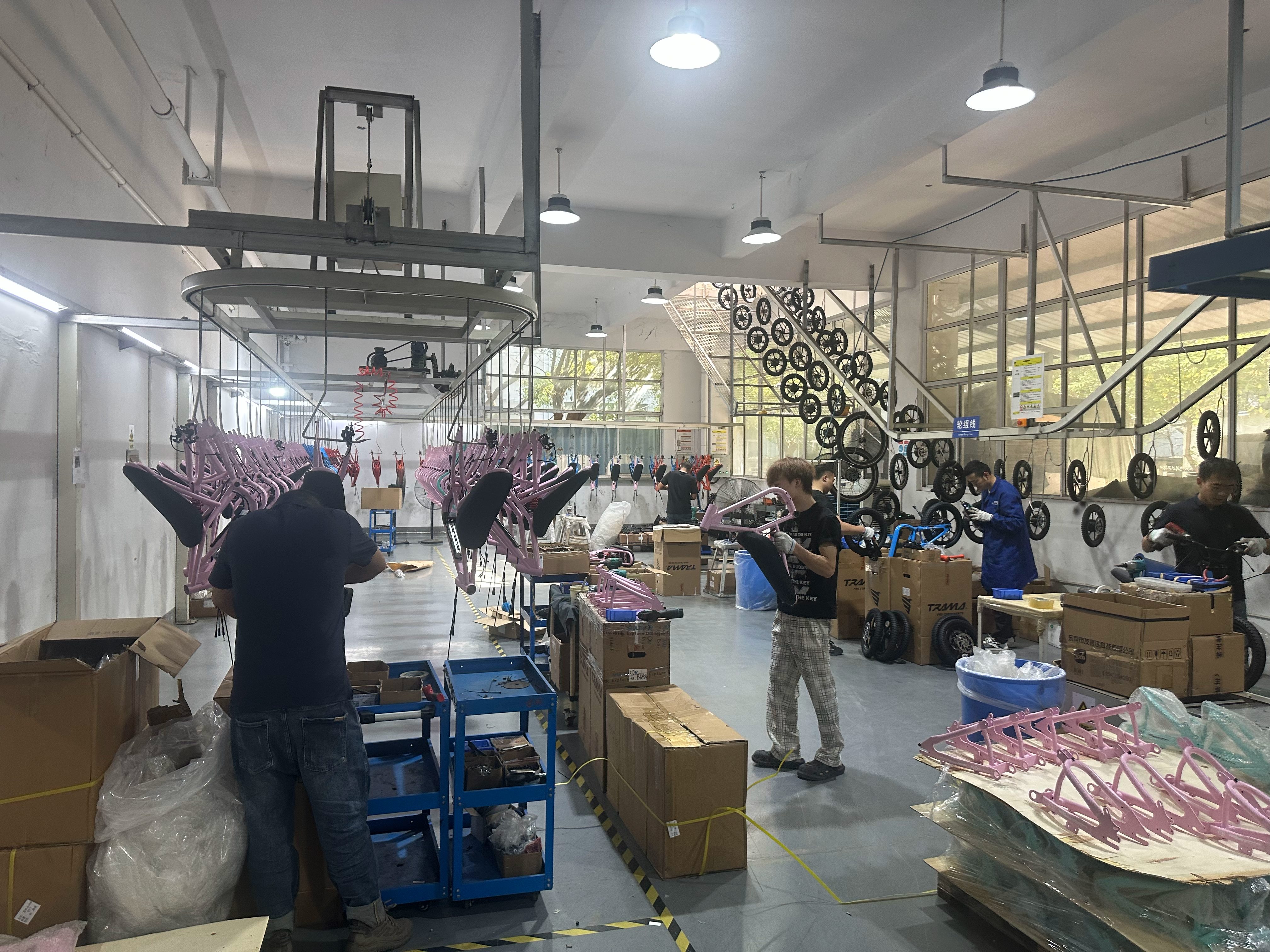
For electric bicycle brands, working with an experienced Electric Bike Manufacturer can help ensure that battery configurations meet the requirements of a new product. OEM and ODM manufacturing allows brands to develop battery systems according to their product positioning, frame design, and target market.
OEM and ODM manufacturing allows brands to develop battery systems according to their product positioning, frame design, and target market.
Common customization options include:
- Battery voltage and capacity.
- Battery enclosure dimensions.
- Down-tube and integrated battery structures.
- Battery mounting systems.
- Electrical connectors.
- BMS specifications.
- Battery branding and labeling.
- Charger specifications.
For example, a commuter e-bike may use a compact 48V 15Ah battery to balance weight, cost, and riding range.
A cargo e-bike may require a higher-capacity battery to support longer operating hours and heavier loads.
A commercial delivery e-bike may require a battery system designed around frequent charging cycles and intensive daily usage.
The most suitable configuration depends on the complete vehicle design rather than battery capacity alone.
Why Battery and Frame Development Should Work Together
One common challenge in electric bicycle development is designing the battery separately from the frame.
This can create problems with installation space, appearance, weight distribution, and maintenance accessibility.
For custom electric bicycle projects, battery dimensions and mounting requirements should be discussed during the early frame development stage.
This helps manufacturers avoid unnecessary design changes and reduces the risk of compatibility problems during sample production.
9. Choosing the Right Lithium Battery for Your Electric Bike Project
Selecting the right battery requires a balance between performance, safety, cost, and product positioning.
Before placing a bulk order, B2B buyers should establish several basic requirements:
- Intended electric bicycle application.
- Target battery voltage and capacity.
- Expected riding range.
- Motor and controller specifications.
- Frame installation requirements.
- Target product price.
- Destination market and compliance requirements.
- Expected annual purchasing volume.
These details help manufacturers recommend a suitable battery configuration instead of simply offering the highest-capacity option.
For brands developing private-label electric bicycles, working with an experienced Custom Electric Bike Manufacturer can help ensure that battery specifications, motor systems, and frame designs work together efficiently. This approach helps create reliable products that meet specific market requirements.
A well-matched battery, motor, controller, and frame design can help create a more reliable and competitive product.
Frequently Asked Questions
What is the best lithium battery for an electric bike?
NMC lithium-ion batteries are commonly used because of their relatively high energy density and lightweight design. LiFePO4 batteries are another option when thermal stability and potential cycle life are important. The best choice depends on the intended application and design requirements.
How many years does an electric bike lithium battery last?
Battery lifespan depends on cell quality, charging habits, temperature, storage conditions, and usage frequency. Many e-bike lithium batteries are designed to provide several years of service, but actual lifespan varies by product and operating conditions.
Is a 48V 15Ah battery good for an electric bike?
A 48V 15Ah battery provides approximately 720Wh of nominal energy. It can be a practical configuration for commuter and recreational electric bicycles, depending on motor efficiency, rider weight, terrain, and desired riding range.
Can electric bike batteries be customized?
Yes. OEM and ODM manufacturers can develop battery systems with different capacities, dimensions, mounting structures, connectors, and branding requirements. Customization depends on the production capabilities and technical requirements of the supplier.
What certifications should an electric bike battery have?
Relevant requirements depend on the destination market and product category. Buyers should review applicable battery safety standards, complete e-bike electrical system requirements, and lithium battery transportation testing such as UN 38.3.
Can I order custom lithium batteries for bulk electric bike production?
Yes. Many electric bicycle manufacturers support custom battery configurations for bulk OEM and ODM projects. Buyers should provide their required specifications, target application, estimated order quantity, and destination market before requesting a quotation.
Conclusion
Lithium batteries are a fundamental part of modern electric bicycle development. Their capacity, chemistry, safety systems, and physical design all influence the performance and reliability of the final product.
For electric bicycle brands and distributors, selecting the right battery means looking beyond voltage and amp-hours. Cell quality, BMS protection, frame compatibility, safety documentation, and long-term supply capability should all be considered.
Working with an experienced electric bicycle manufacturer can help simplify battery selection and product development. By coordinating battery specifications with the motor, controller, and frame design, brands can develop electric bicycles that better meet the needs of their target markets.

Leave a Reply