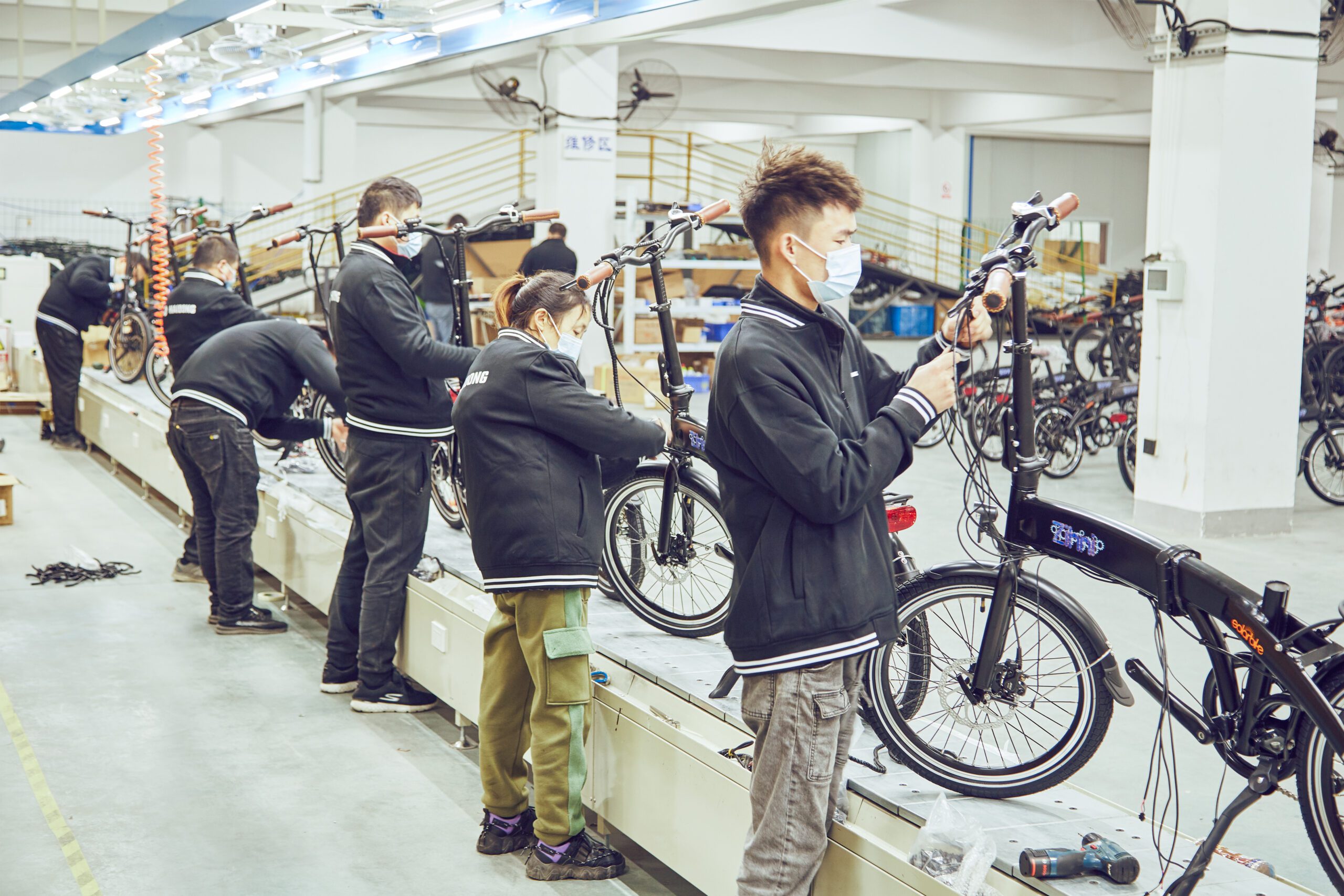
The global demand for delivery eBikes is growing rapidly as food delivery, last-mile logistics, and urban courier services continue to expand. According to Statista eBike market report, the global eBike market is expected to exceed $40+ billion by 2026, driven largely by commercial fleet usage and urban mobility solutions.
For B2B buyers such as food delivery platforms, local courier fleets, and regional distributors, choosing the right eBike is not just about price—it is about durability, uptime, serviceability, and long-term operating cost.
This article provides a practical overview of what makes a good delivery eBike and how OEM partners can support scalable fleet operations.
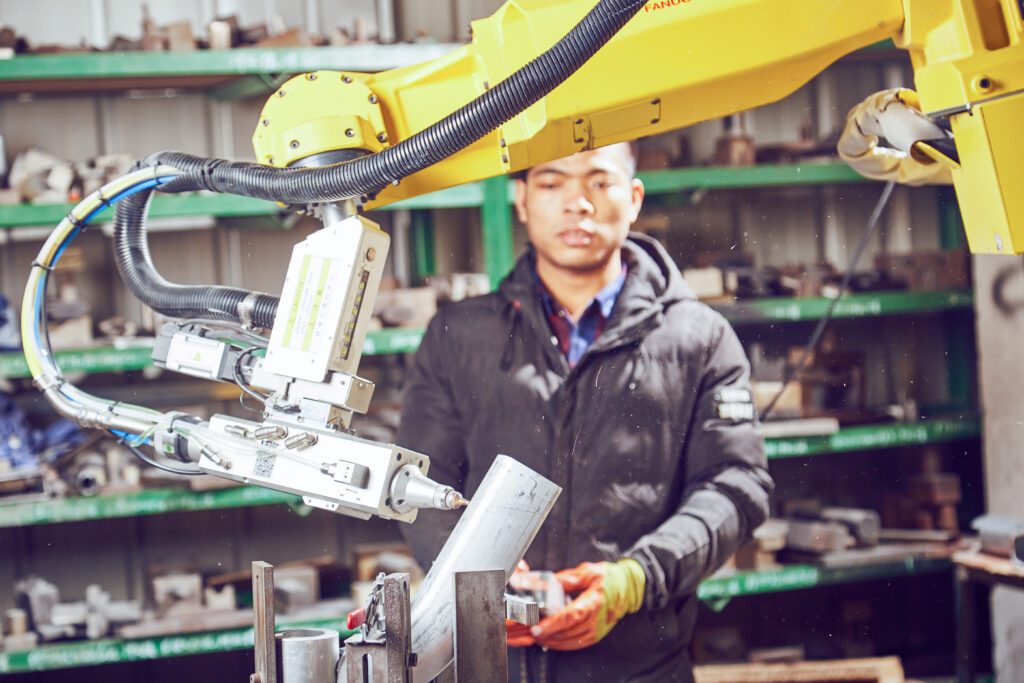
Why Delivery eBikes Are Growing in B2B Logistics
Urban logistics is shifting rapidly toward electric mobility. The key drivers include:
- Rising last-mile delivery demand in cities
- Increasing fuel and vehicle maintenance costs
- Government incentives for low-carbon transportation
- Faster delivery expectations from customers
In Europe, delivery fleets using eBikes have grown significantly in major cities like Berlin, Amsterdam, and Paris. In the US, food delivery platforms are also expanding their use of electric bicycles for dense urban areas where vans are inefficient.
For B2B operators, eBikes reduce operating cost per delivery while improving route flexibility.
Key Requirements for Delivery-Grade eBikes
Not all eBikes are suitable for commercial use. Delivery fleets require higher standards in several areas:
1. Long Battery Range
Delivery riders typically operate 6–10 hours per day. A high-capacity battery (15Ah–20Ah) is essential to reduce downtime and charging frequency.
2. Durable Frame Structure
Fleet usage requires reinforced frames that can handle:
- Frequent loading/unloading
- Heavy cargo
- Rough urban road conditions
3. Cargo Optimization
Delivery eBikes often include:
- Rear racks for food boxes
- Front baskets or cargo platforms
- Optional customized cargo systems
4. Easy Maintenance Design
For fleet operators, downtime directly impacts revenue. Modular components and standardized parts reduce maintenance cost and repair time.
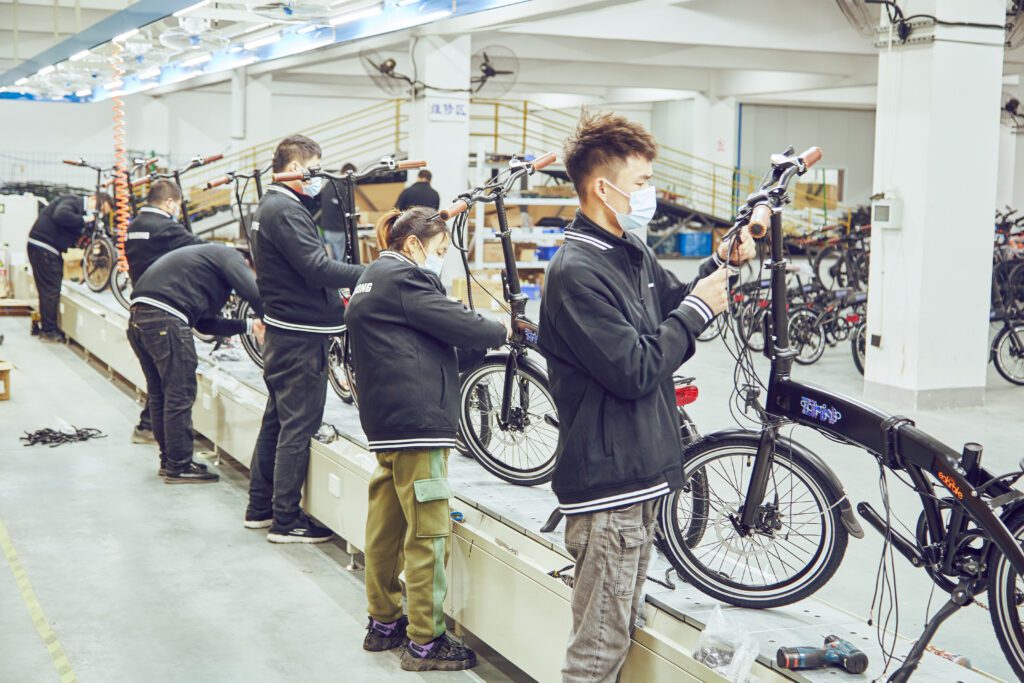
OEM and Custom eBike Solutions for Fleet Buyers
For B2B customers, China eBike supplier flexibility in configuration is critical. Our OEM production model supports:
- Small batch production from 30–200 units per model
- Private label branding (logo, color, design)
- Custom battery, motor, and frame configurations
- Flexible assembly based on market requirements
This structure is especially suitable for:
- Food delivery companies testing new markets
- Regional distributors building local brands
- Fleet operators scaling step by step
Instead of requiring large MOQ commitments, buyers can validate market demand first with controlled risk.
Certifications and Compliance for Global Markets
Regulatory compliance is a key requirement for commercial eBike procurement.
North America Standard
- UL 2849 Certification Ensures electrical system safety including battery, motor, and charger integration.
European Standard
- CE EN 15194 Defines safety and performance requirements for electrically assisted bicycles in the EU market.
These certifications are often required by institutional buyers, especially logistics companies and government-related fleets.
Production Strength and Supply Chain Advantage
To support global B2B demand, OEM eBike manufacturer production stability and cost control are critical.
Dual Manufacturing Base
We operate production facilities in:
- China: Strong supply chain, flexible customization, cost efficiency
- Vietnam: Strategic export base for tariff optimization and EU market support
This dual-base structure allows better control of cost, lead time, and regional compliance.
Overseas Warehouses and After-Sales Support
Fleet operations require reliable after-sales service. To support international customers, we maintain:
- US overseas warehouse for spare parts
- European warehouse for fast replacement support
- Rapid response system for fleet maintenance needs
This helps reduce downtime for delivery companies and ensures continuous operation in high-frequency usage scenarios.
Example Fleet-Ready eBike Configurations
Below are typical configurations used in delivery operations:
| Model Type | Use Case | Key Features |
|---|---|---|
| Urban Delivery eBike | Food delivery | 15Ah–20Ah battery, cargo rack, durable frame |
| Heavy Cargo eBike | Logistics | Reinforced frame, high torque motor |
| Entry Fleet Model | Market testing | Cost-efficient setup, scalable OEM options |
Each model can be adjusted based on customer requirements and local regulations.
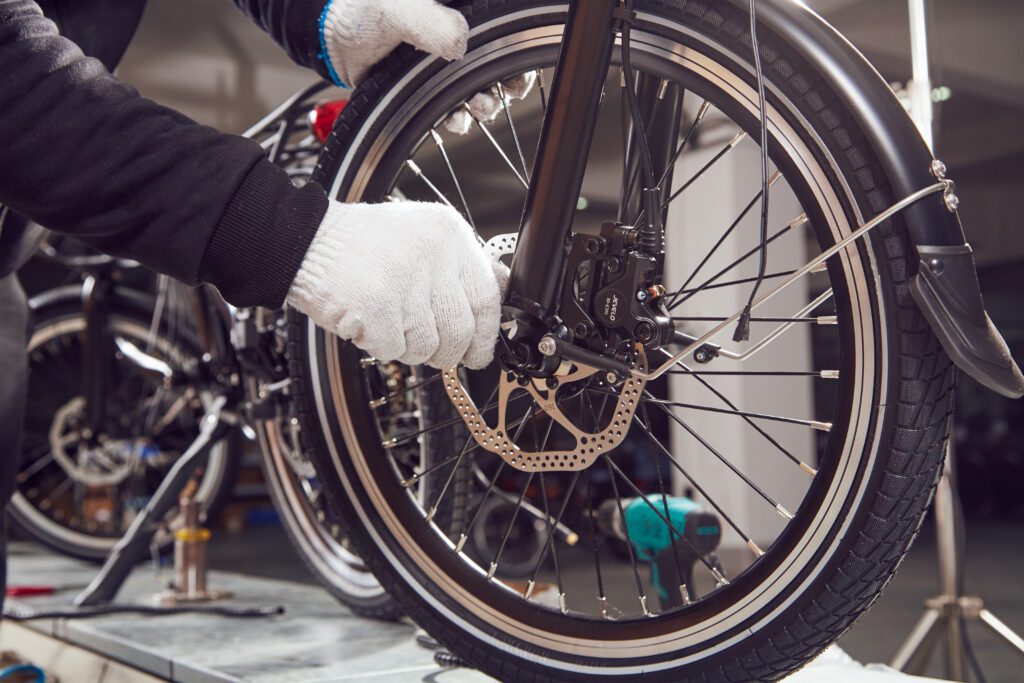
How to Choose the Right OEM Partner
When selecting a supplier for delivery eBikes, B2B buyers should focus on:
- Production flexibility (small batch vs large MOQ)
- Certification compliance (UL / CE)
- After-sales and spare parts availability
- Customization capability
- Supply chain stability
A reliable OEM partner should not only manufacture bikes but also support long-term fleet operation.
Conclusion
The demand for delivery eBikes continues to grow as cities shift toward sustainable logistics solutions. For B2B buyers, the key success factors are durability, customization, compliance, and service support.
With flexible OEM production (30–200 units per model), dual manufacturing bases in China and Vietnam, and overseas warehouse support in the US and Europe, fleet operators can scale efficiently while controlling costs and maintaining reliability.
If you are planning to launch or expand a delivery fleet, feel free to contact us for customized OEM eBike solutions tailored to your market needs.

Leave a Reply