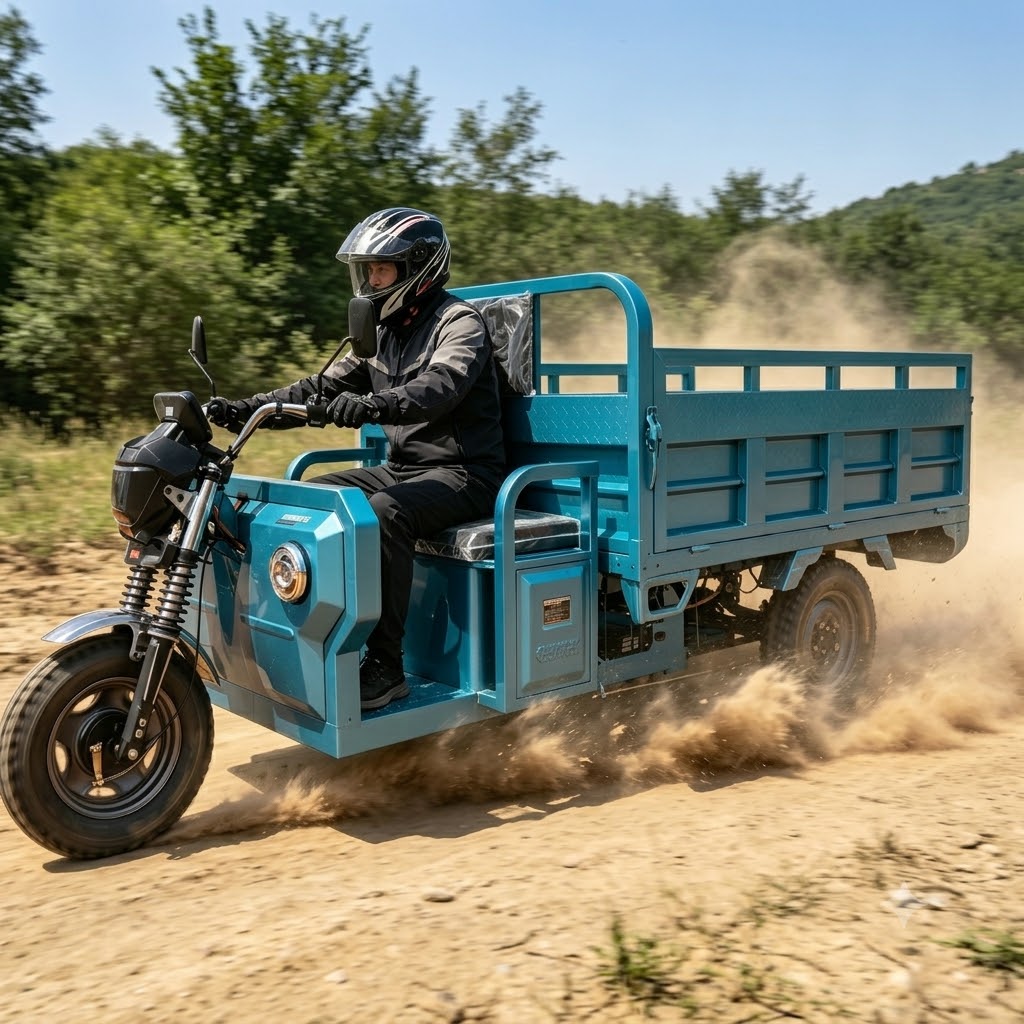
The market demand for electric cargo tricycles across Southeast Asia (SEA) and Latin America (LatAm) is surging. From last-mile parcel delivery in Manila to agricultural logistics in São Paulo, businesses are replacing expensive fuel-powered tricycles with 1000W+ heavy-duty electric alternatives.
However, importing these vehicles in bulk is not as simple as picking a model from a catalog. To protect your profit margins and avoid costly port delays, you must custom-spec your fleet or wholesale inventory based on regional logistics, climate, and compliance realities.
Here is a practical, factory-floor guide to configuring your electric cargo tricycle shipment for the SEA and LatAm markets.
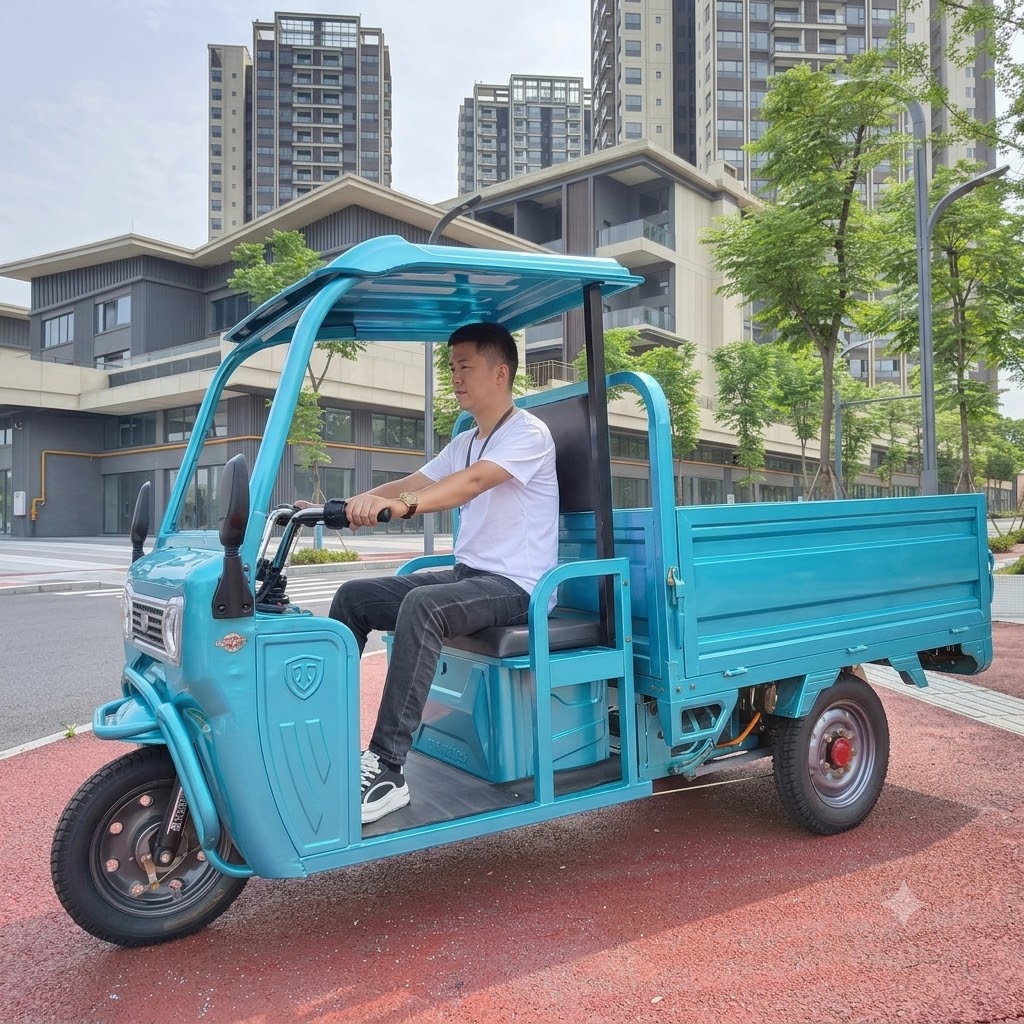
1. Cargo Bed Dimensions & Container Optimization: Stop Paying for Empty Space
Ocean freight is one of your biggest cost drivers. If your supplier packages the tricycles inefficiently, you end up shipping air.
When ordering a standard 1000W motorized 3-wheeler, the cargo bed dimension is the critical variable. A standard 1500mm × 1100mm × 500mm cargo box offers the best balance for commercial urban delivery. More importantly, this specific dimension aligns perfectly with standard container packing logic.
Standard CKD (Completely Knocked Down) Loading Capacity:
To maximize your ROI, never import fully assembled units (CBU). Demand SKD (Semi-Knocked Down) or CKD packaging from your manufacturer.
| Container Type | Packing Method | Optimal Loading Capacity |
| 20GP Container | SKD (Wheels & cargo bed detached) | Approx. 20–25 Units |
| 40HQ Container | CKD (Chassis stacked vertically, beds nested) | Approx. 55–60 Units |
Factory Tip: Ensure your manufacturer stacks the main chassis frame vertically (standing up) rather than horizontally inside the container. Vertical stacking prevents frame bending under heavy transit pressure and increases the loading yield per 40HQ container by up to 15%.
2. Battery Selection: Matching the Local Climate & Shipping Regulations
Choosing between Lead-Acid and Lithium batteries for SEA and LatAm requires analyzing local infrastructure, temperatures, and initial capital expenditures.
Southeast Asia (High Humidity & Rainy Seasons)
If you are importing to countries like the Philippines, Thailand, or Indonesia, flooding and heavy rain are part of daily operations.
- The Spec: If opting for traditional, cost-effective Lead-Acid batteries (60V), ensure the battery compartment is elevated at least 400mm above the ground line.
- The Critical Upgrade: The motor and controller must be rated at IP65 waterproof or higher. Lead-acid is preferred by local repair shops because it requires zero specialized diagnostic tools.
Latin America (Long-Distance Topography & Heavy Payloads)
For markets like Brazil, Colombia, or Mexico, the terrain often demands higher torque and longer lifecycles to handle payloads ranging from 400kg to 600kg.
- The Spec: Lithium batteries ($LiFePO_4$) are highly recommended here despite the higher upfront cost. They handle deep discharge cycles much better in hilly terrains without significant voltage drops.
The Shipping Trap: Class 9 Dangerous Goods Compliance
No matter which battery you choose, getting them across the ocean requires strict documentation:
- Lithium Shipments: Must be accompanied by an UN38.3 Test Report, MSDS (Material Safety Data Sheet), and a Dangerous Goods Declaration.
- The Cost-Saving Route: Many experienced LatAm importers choose to custom-source the tricycle chassis and motors from China, but source the heavy lead-acid batteries locally to save massive amounts on ocean freight weight-surcharges and bypass stringent international battery import taxes.
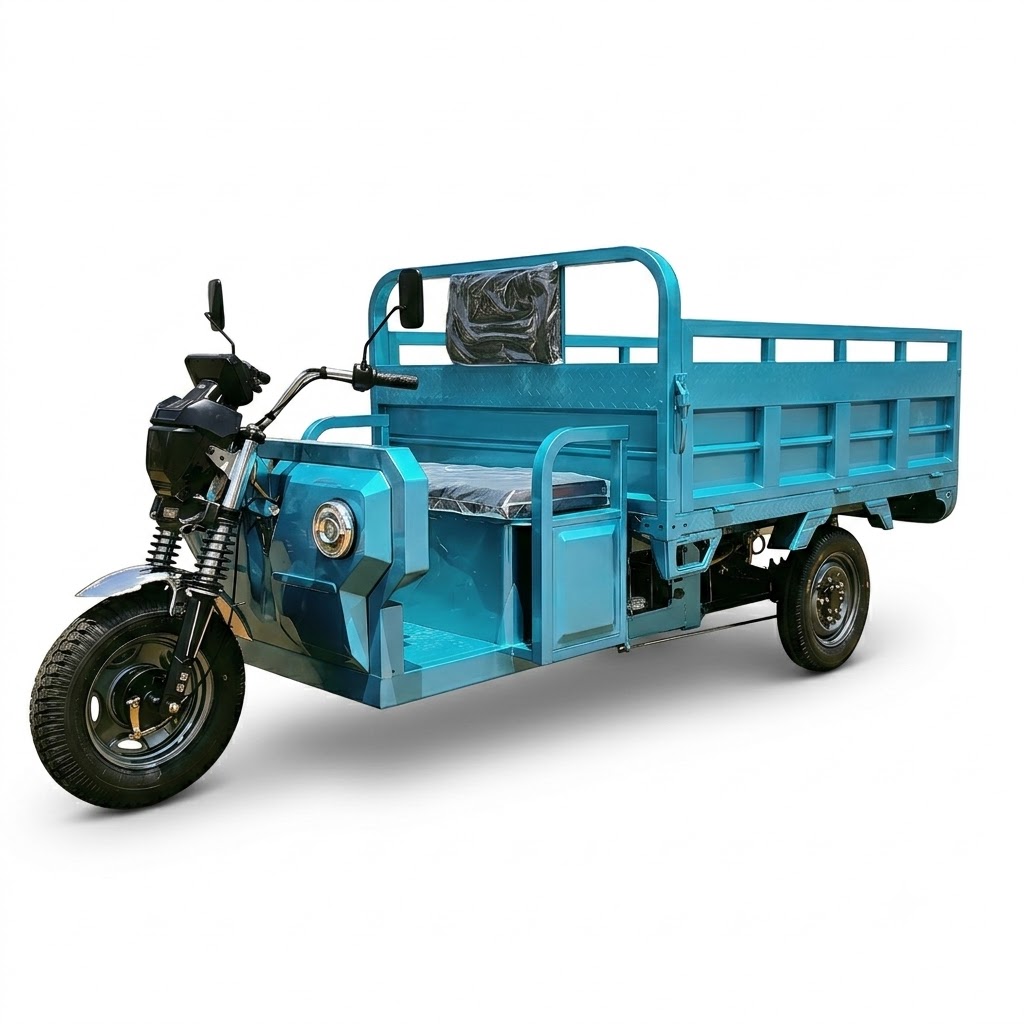
3. Customs & Compliance: Regional Roadblocks You Must Plan For
A cheap factory price means nothing if your cargo gets confiscated at the port of destination. SEA and LatAm have distinct regulatory frameworks for electric 3-wheelers.
Southeast Asia Compliance Essentials
- The Philippines (LTO Registration): Electric tricycles used on public roads must comply with Land Transportation Office (LTO) classifications. To clear customs smoothly, ask your manufacturer to provide a clear Certificate of Conformity (CoC) stating the exact motor wattage (e.g., 1000W) and maximum design speed (restricted to 35–45 km/h).
- Certificate of Origin (Form E): For ASEAN countries, ensure your supplier provides a Form E. This zero-tariff preferential certificate drops your import duty down to 0%–5% in most member states, saving you thousands of dollars compared to standard MFN tax rates.
Latin America Compliance Essentials
- Brazil (INMETRO & Siscomex): Brazil is notorious for its strict customs clearance. Electric vehicles must be registered under the Siscomex system. The components—specifically tyres, brake hoses, and lighting systems—must bear international safety certifications or comply with INMETRO guidelines.
- Mexico (NOM Certification): Ensure your supplier provides products that meet the relevant NOM (Normas Oficiales Mexicanas) safety standards for electrical systems. Without this, your customs broker cannot file the Pedimento for customs clearance.
Summary Checklist for B2B Importers
Before you wire your 30% deposit to any manufacturer, confirm this exact configuration checklist:
- Chassis Frame: Reinforced high-carbon steel with anti-rust electrophoretic coating (essential for coastal SEA regions).
- Rear Axle: Integrated rear axle equipped with a two-speed gearbox (low-speed high-torque gear for climbing steep slopes under a 500kg load).
- Packaging Plan: Verified CKD layout sketch showing exactly how many units fit into a 40HQ container using vertical stacking.
- HS Code Harmonization: Confirm your local customs broker accepts HS Code 8711.60.00 (Motorcycles with electric motor for propulsion) for your specific tariff reductions.
By addressing these technical, granular details during the sourcing phase, you ensure your electric cargo tricycles land safely, clear customs without delays, and deliver the durability your local commercial clients demand.

Leave a Reply