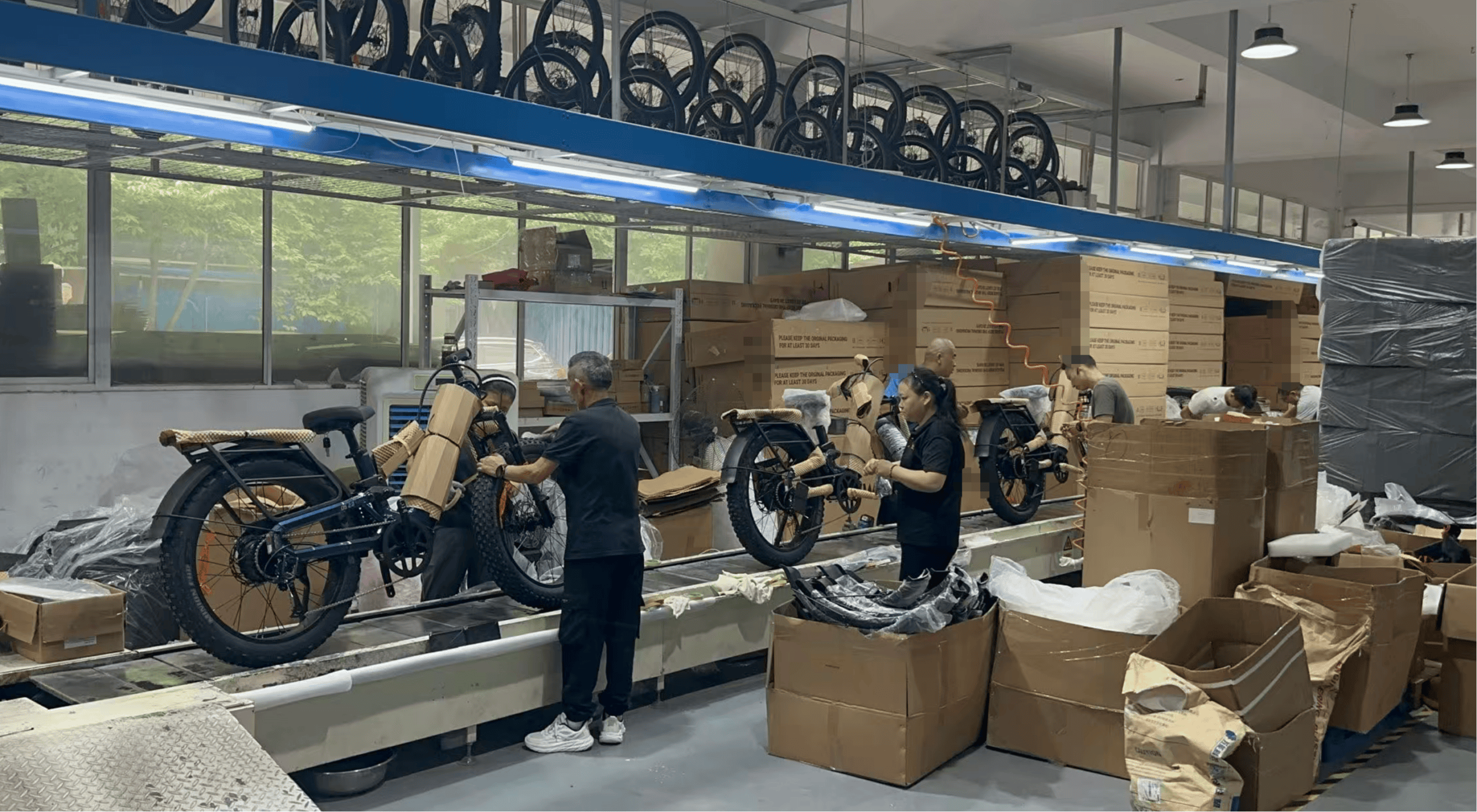
The demand for fast, affordable, and environmentally friendly delivery solutions is growing rapidly. From food delivery and grocery services to local logistics and last-mile transportation, many businesses are turning to electric bikes as a more efficient alternative to traditional delivery vehicles.
However, starting an eBike delivery business is not simply about buying a few electric bikes and hiring riders. The success of a delivery fleet depends on choosing the right e-bike models, controlling operating costs, maintaining reliable supply chains, and creating an efficient management system.
This guide explains how to start an eBike delivery business and avoid the common mistakes that many new operators face.
1. Understand Your Delivery Business Model First
Before purchasing eBikes, you need to define what type of delivery service you want to operate.
Different delivery businesses require different electric bike solutions.
Food Delivery
Food delivery companies usually require:
- Lightweight and agile eBikes
- Comfortable riding position
- Long battery range
- Easy maintenance
- Affordable replacement parts
For urban food delivery, a commuter-style electric bike is often the most practical choice.
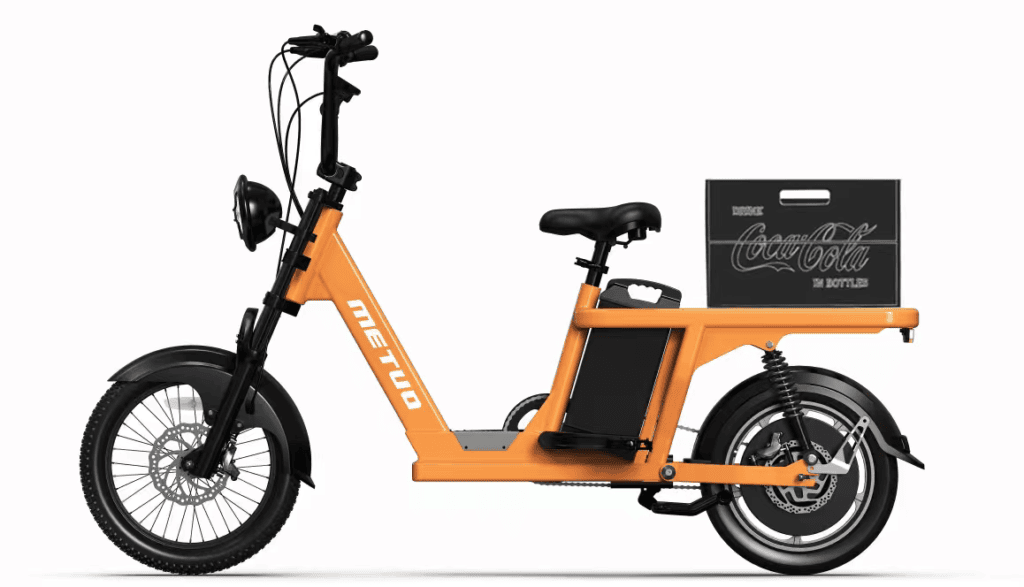
Grocery and Cargo Delivery
Grocery delivery requires higher load capacity because riders may carry:
- Food boxes
- Shopping bags
- Large packages
- Commercial cargo containers
These businesses usually need:
- Strong frames
- High torque motors
- Larger batteries
- Cargo accessories
Last-Mile Logistics
Many logistics companies use eBikes to replace small vans in crowded cities.
Advantages include:
- Lower fuel costs
- Easier parking
- Access to narrow streets
- Lower maintenance expenses
For commercial delivery fleets, reliability is more important than having the cheapest purchase price.
2. Calculate the Real Startup Cost of an eBike Delivery Business
One of the biggest mistakes new operators make is only calculating the bike purchase price.
The real investment includes:
Electric Bike Cost
Commercial delivery eBikes usually range from affordable commuter models to premium cargo solutions.
Factors affecting price:
- Motor power
- Battery capacity
- Frame design
- Brake system
- Components quality
Battery Replacement Cost
The battery is one of the most important parts of a delivery fleet.
High-frequency delivery riders may use batteries every day, so choosing reliable battery cells is critical.
Look for:
- Certified lithium batteries
- Long cycle life
- Replacement availability
Maintenance and Spare Parts
A delivery bike operates much more frequently than a personal eBike.
Common replacement parts include:
- Brake pads
- Tires
- Chains
- Controllers
- Chargers
Working with a manufacturer that can provide spare parts support helps reduce downtime.
3. Choose the Right Delivery eBike Specifications
Not every electric bike is suitable for commercial delivery.
A professional delivery fleet should consider:
Motor Performance
Delivery riders often carry extra weight and ride in stop-and-go traffic.
A motor with strong torque provides:
- Better hill climbing
- Faster acceleration
- Improved rider experience
For commercial applications, torque is often more important than maximum speed.
Battery Range
A delivery eBike should normally support a full working day.
Important factors:
- Battery capacity
- Rider weight
- Cargo weight
- Road conditions
- Riding mode
A larger battery reduces charging frequency and improves productivity.
Frame Durability
Delivery bikes experience more stress than normal consumer bikes.
A commercial model should have:
- Strong aluminum frame
- Reliable welding quality
- Durable components
- Easy maintenance design
4. Decide Whether to Buy Locally or Import eBikes
Many delivery companies eventually face this decision.
Buying From Local Dealers
Advantages:
- Faster delivery
- Easier after-sales service
Disadvantages:
- Higher cost
- Limited customization options
Working With an eBike Manufacturer
Partnering directly with a factory provides:
- Better pricing
- Custom branding
- Fleet customization
- Long-term supply stability
Many companies choose OEM manufacturing because delivery fleets often require specific configurations.
Examples:
- Custom cargo racks
- Delivery boxes
- Fleet colors
- Company logos
- Different battery options
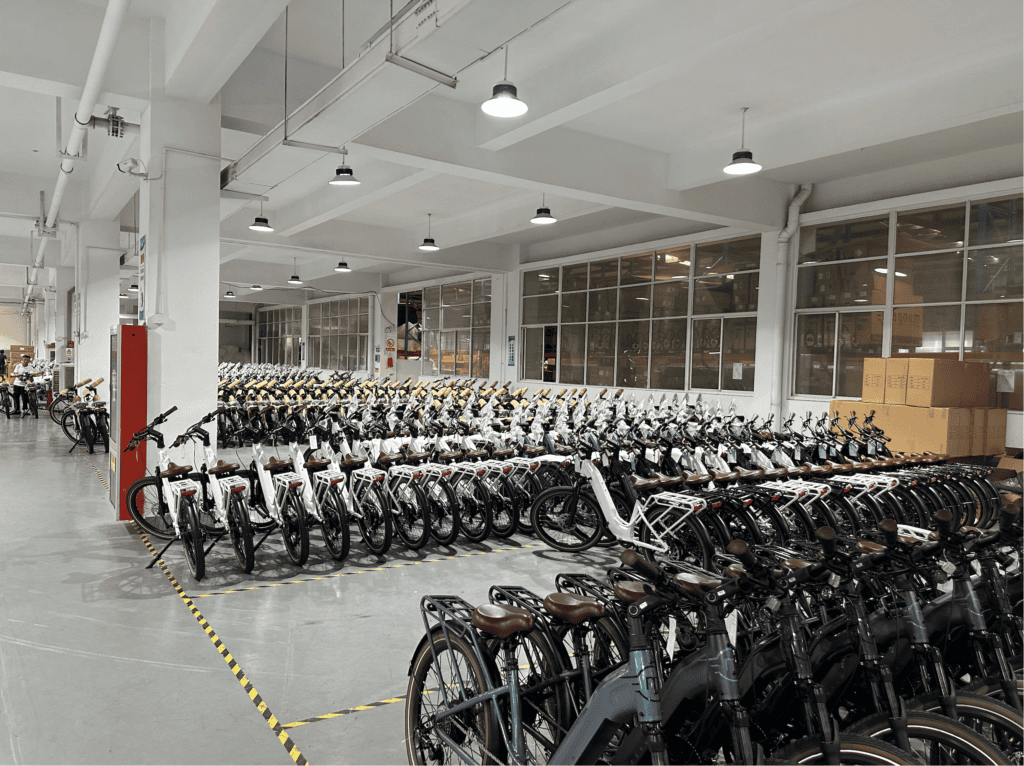
5. Build a Reliable Supply Chain
A successful eBike delivery business depends on consistent supply.
Important questions to ask your supplier:
- Do they support bulk orders?
- Can they provide spare parts?
- Do they offer warranty support?
- Do they have overseas warehouses?
- Can they provide technical support?
For growing fleets, supplier reliability is often more important than saving a small amount on the initial purchase.
6. Maintenance Strategy for Delivery Fleets
Downtime directly affects your revenue.
A good maintenance plan includes:
Daily Checks
Riders should check:
- Tire pressure
- Brake performance
- Battery condition
- Lights
- Display system
Monthly Maintenance
Fleet managers should inspect:
- Brake pads
- Chain system
- Motor performance
- Electrical connections
Keep Spare Parts Inventory
Professional fleets should always keep:
- Chargers
- Brake pads
- Tires
- Controllers
- Batteries
This prevents one damaged bike from stopping business operations.
7. How Profitable Is an eBike Delivery Business?
The profitability depends on:
- Number of deliveries per day
- Labor cost
- Local market demand
- Battery and maintenance costs
Compared with motorcycles or cars, eBikes provide:
- Lower energy costs
- Lower maintenance costs
- No fuel expenses
- Easier urban operation
For companies focused on short-distance delivery, eBikes can significantly reduce last-mile transportation expenses.
8. Choose the Right eBike Partner
Finding the right manufacturing partner is one of the most important steps when starting an eBike delivery business.
A professional supplier should provide:
- Factory production capability
- OEM/ODM customization
- Quality control
- Certification support
- After-sales assistance
At HD eBike, we support businesses with electric bike manufacturing, customization, and fleet solutions for different markets.
We provide solutions for:
- Delivery companies
- Rental businesses
- Bike dealers
- Private brands
Conclusion: Start Small, Build a Reliable Fleet, and Scale
Starting an eBike delivery business requires more than purchasing electric bikes. The key to long-term success is choosing reliable equipment, controlling operating costs, and building a stable supply chain.
Whether you are starting with 5 bikes or building a large commercial fleet, working with an experienced eBike manufacturer can help reduce risks and improve profitability.
The future of urban delivery is becoming electric, and businesses that build efficient eBike fleets today will have a strong advantage in the growing last-mile delivery market.

Leave a Reply