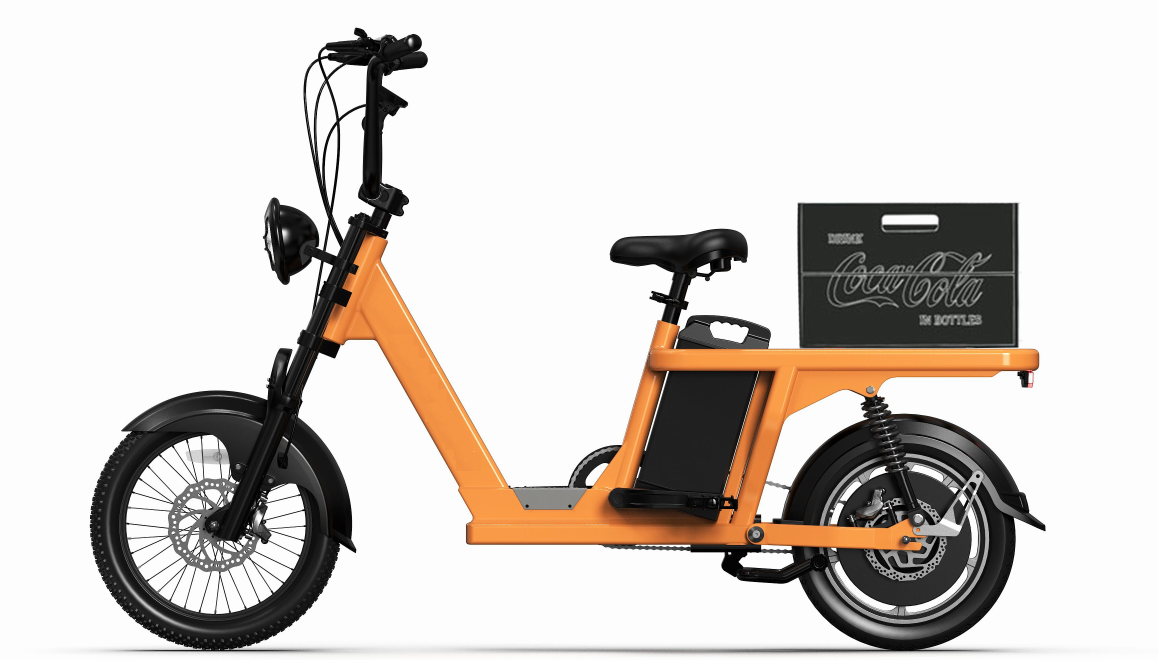
Introduction: Why Courier Services Are Moving to E-Bikes
Courier and last-mile delivery services are under increasing pressure to reduce costs, improve efficiency, and meet sustainability goals. According to industry data from Statista and urban logistics reports, last-mile delivery accounts for over 50% of total logistics costs, especially in dense urban areas.
At the same time, cities across Europe and North America are tightening emission regulations. This is accelerating the adoption of ebikes for courier services as a practical alternative to motorcycles and vans.
For B2B buyers—such as delivery platforms, courier fleets, and regional distributors—the focus is not just on price, but on long-term operational stability and scalability.
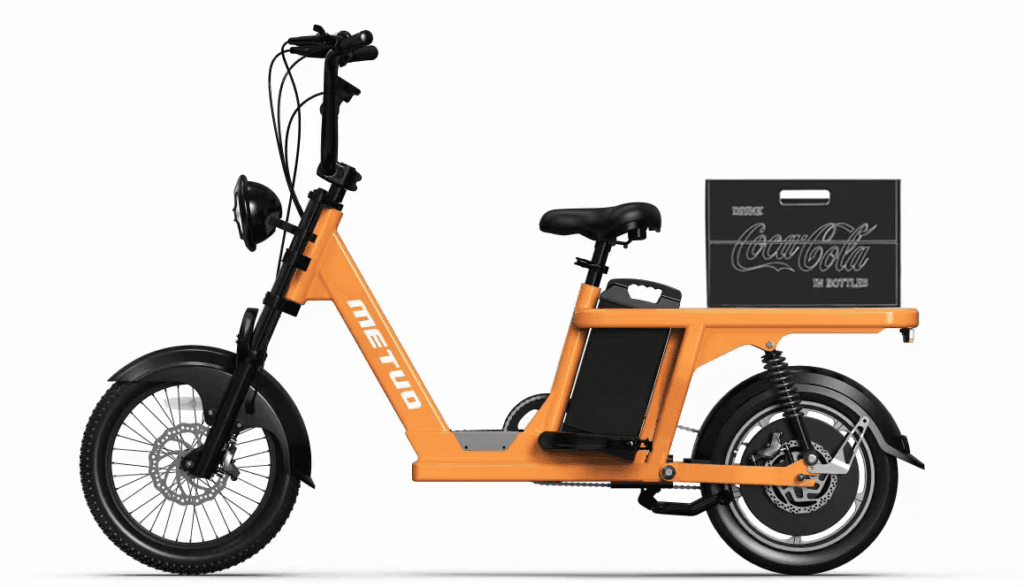
Market Demand: Growth of Electric Bikes in Delivery Fleets
The global e-bike market continues to expand rapidly. Key indicators include:
- The global e-bike market is expected to exceed $70 billion by 2030
- The European cargo bike segment is growing at 10%+ annually
- Urban delivery fleets are increasingly shifting toward electric mobility
Courier services benefit from:
- Lower operating costs (no fuel, fewer moving parts)
- Easier navigation in congested cities
- Regulatory compliance in low-emission zones
This makes e-bikes a strategic investment rather than a short-term solution.
What Makes a Good E-Bike for Courier Services
Courier use is very different from consumer riding. Bikes must handle high frequency, heavy load, and long working hours.
1. Battery System and Range
Typical courier requirements:
- 60–80 km per charge
- High cycle-life battery (500–1000 cycles)
- Optional spare battery for continuous operation
Longer range reduces downtime and improves delivery efficiency.
2. Durable Frame for Commercial Use
Frame durability is critical for daily operations.
Options:
- Steel frame: stronger, more impact-resistant
- Aluminum frame: lighter, easier handling
For courier fleets, durability and repair cost are more important than weight.
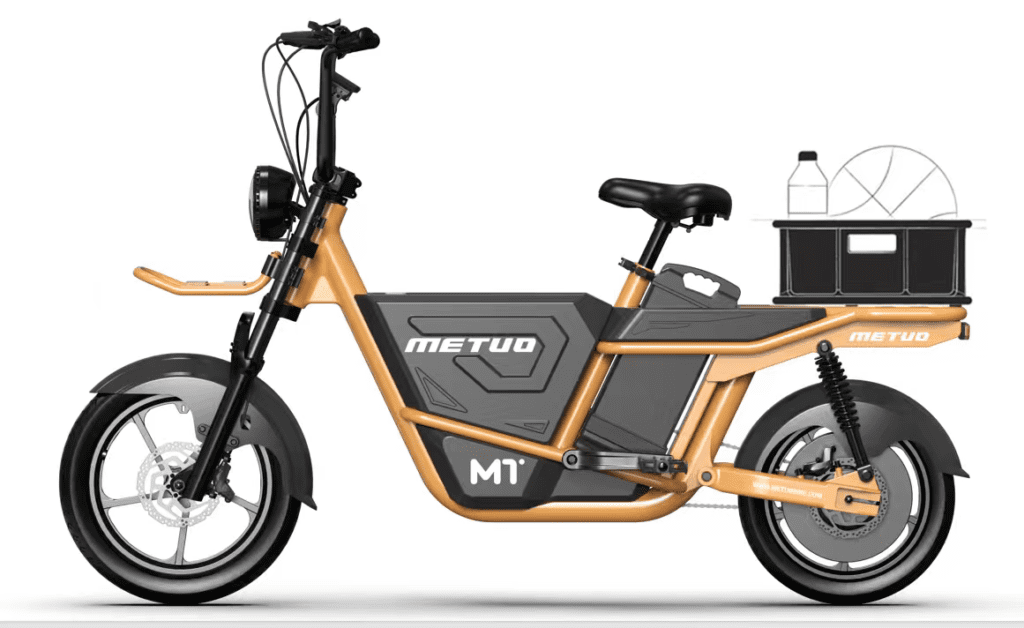
3. Cargo-Oriented Design
Courier bikes must support:
- Delivery boxes or insulated bags
- Rear racks or front cargo platforms
- Stable riding under load
A well-designed cargo structure improves both safety and efficiency.
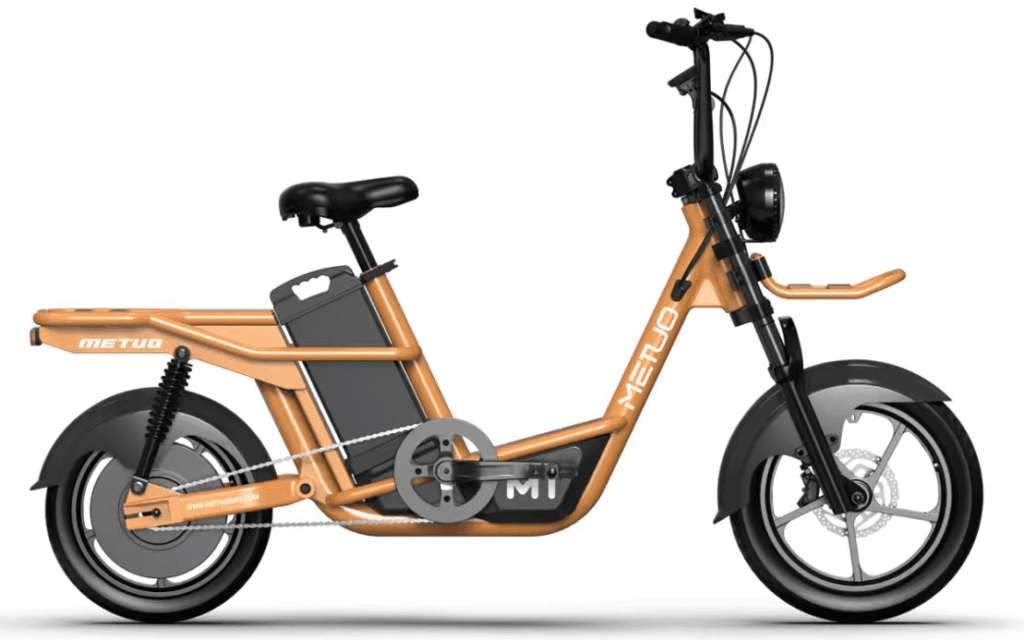
4. Brake System and Safety
Frequent stop-and-go riding requires reliable braking.
Recommended:
- Hydraulic disc brakes with motor cut-off function
Benefits:
- Shorter braking distance
- Improved safety under load
- Better control in urban traffic
5. Easy Maintenance and Serviceability
Courier fleets cannot afford long downtime.
Key factors:
- Simple component replacement
- Standardized parts
- Easy access to battery and controller
Designing for maintenance reduces long-term operating costs.
OEM Customization for B2B Buyers
For distributors and fleet operators, flexibility is essential.
We support:
- Small batch OEM (30–200 units per model)
- Custom branding (logo, color, packaging)
- Battery and motor configuration adjustments
- Design optimization based on delivery scenarios
This allows partners to test markets and scale gradually.
Certifications and Compliance
For international markets, compliance is critical.
Our models support:
- UL 2849 (North America)
- CE EN15194 (European Union)
These certifications ensure:
- Electrical safety
- Market access compliance
- Reduced regulatory risk for distributors
Production Capacity: China + Vietnam Dual Supply
To ensure stable supply and cost control, we operate dual production bases in China and Vietnam.
Advantages:
- Flexible production allocation
- Competitive labor and tariff structure
- Mature supply chain system
This helps B2B buyers manage:
- Cost efficiency
- Lead time
- Trade policy risks
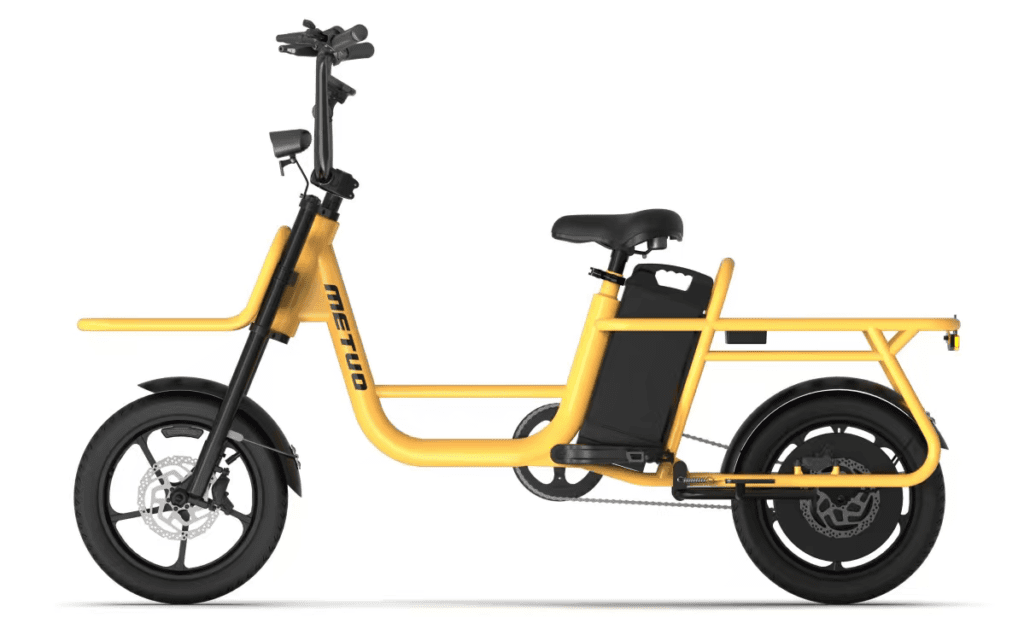
After-Sales Support: EU & US Spare Parts Availability
One of the biggest challenges for courier fleets is downtime.
We provide:
- Spare parts stock in Europe and the United States
- Fast replacement support
- Technical assistance for distributors
This ensures:
- Faster issue resolution
- Reduced operational disruption
- Better long-term fleet stability
Recommended Configuration for Courier Fleets
Based on real-world delivery usage:
- Battery: 60–70 km range (upgrade options available)
- Frame: reinforced structure for heavy use
- Brakes: hydraulic disc system
- Cargo: rear rack or cargo platform
- Maintenance: modular and easy-to-service design
This configuration balances:
cost + durability + performance
Choosing the Right OEM Partner
Choosing the right electric bike manufacturer is critical for courier businesses looking to scale efficiently and maintain long-term operational stability.
A reliable partner should offer:
- Consistent product quality
- Flexible customization
- Spare parts availability
- Experience with delivery use cases
Working with the right manufacturer reduces risk when scaling operations.
Conclusion: Building Efficient Courier Fleets with E-Bikes
The demand for ebikes for courier services will continue to grow as cities evolve toward cleaner and more efficient logistics systems.
For B2B buyers, success depends on:
- Choosing the right configuration
- Ensuring supply chain stability
- Partnering with an experienced OEM factory
If you are planning to expand your courier fleet or distribution business, selecting the right e-bike solution is a key step toward long-term growth.

Leave a Reply