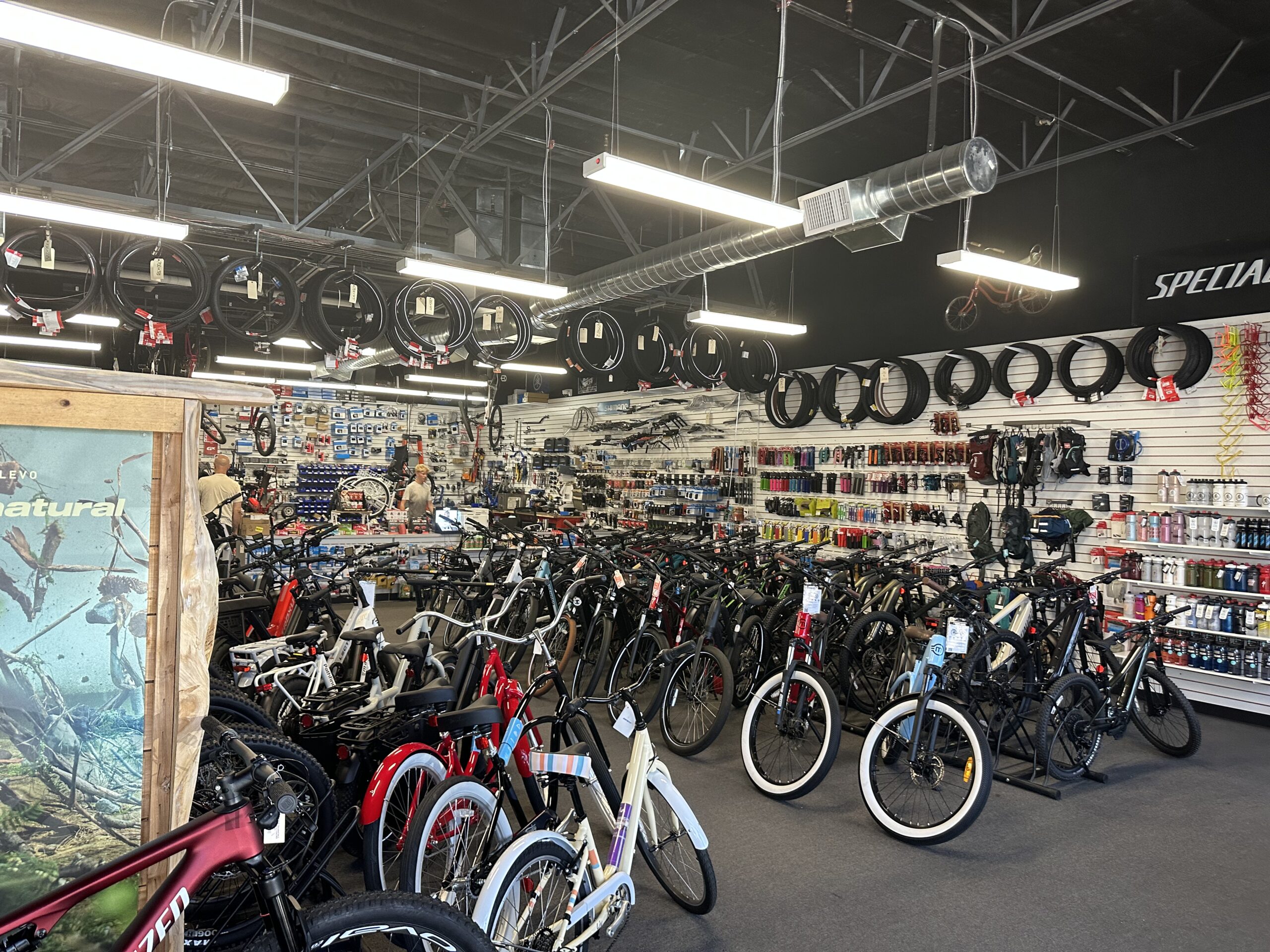
Electric bikes have become a more common sight in cities, suburbs, and recreational areas. As more people look for alternatives to cars for short trips, commuting, deliveries, and outdoor activities, local demand for electric bikes has created new opportunities for bicycle shops and independent dealers.
For people considering a new business in this market, ebike dealership opportunities can take several different forms. Some dealers operate traditional retail stores, while others combine a showroom with online sales. There are also businesses that focus on specific customer groups, such as commuters, delivery riders, rental operators, or outdoor enthusiasts.
Starting an ebike dealership is not simply a matter of finding a popular model and putting it in a store. Product selection, supplier relationships, local regulations, after-sales service, inventory investment, and customer expectations all need to be considered before making a purchase.
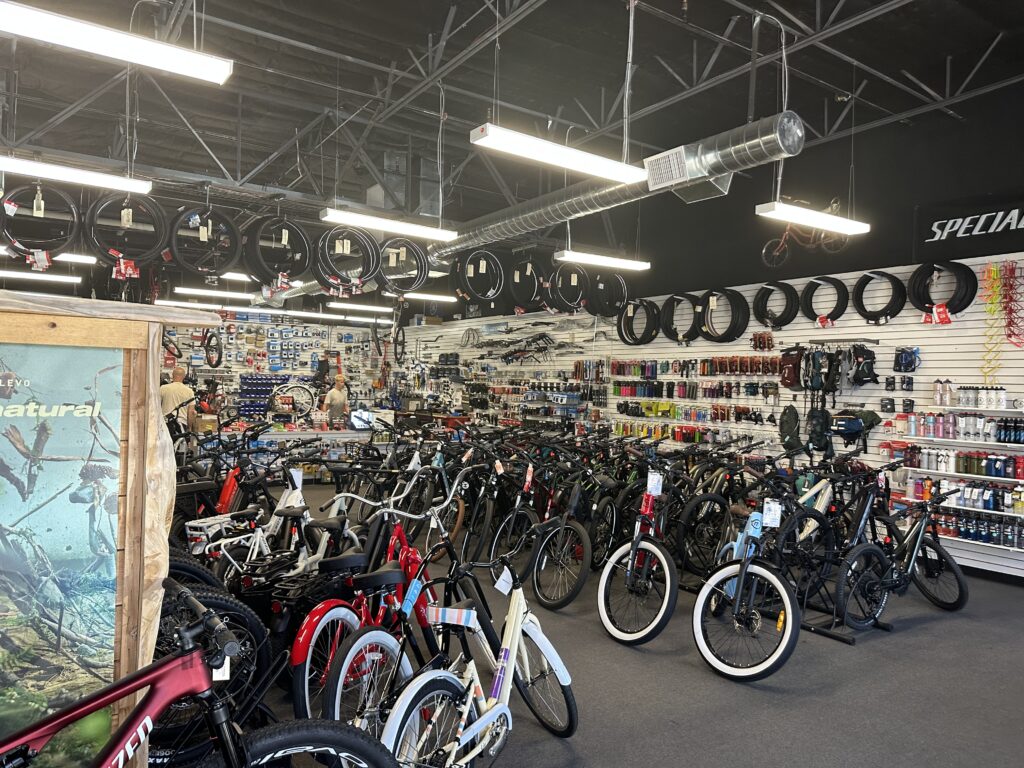
Why Ebike Dealership Opportunities Are Growing
The electric bike market has developed beyond the early adopter stage. Customers are now buying ebikes for practical reasons as well as recreation.
A commuter may want an electric bike to avoid driving to work every day. A delivery company may need several bikes for riders. Families may be interested in cargo bikes for local transportation, while recreational riders may be looking for higher-performance models.
This variety creates room for different dealership models.
A dealer does not necessarily need to compete with every ebike brand available online. In many cases, a local business can compete by providing something online-only sellers cannot easily offer, including test rides, assembly, maintenance, replacement parts, and direct customer support.
This is one reason local dealerships continue to have potential even as online ebike sales become more common.
Different Types of Ebike Dealerships
There is no single business model for an electric bike dealership. The right approach depends on the local market and the type of customers a dealer wants to serve.
Traditional Ebike Store
A traditional store usually carries several models and allows customers to see and test the bikes before purchasing.
This model requires more investment because the business needs a physical location and showroom inventory. However, the store also gives customers a place to ask questions and receive service.
Bicycle Shop Adding Ebikes
Existing bicycle shops may have an easier entry point because they already have customers, workshop equipment, and experience with bicycle maintenance.
Adding a small number of carefully selected electric bike models can allow an established bicycle shop to test the market without completely changing its business model.
Online and Showroom Hybrid
Some businesses combine online sales with a small showroom or appointment-based location.
This can reduce the amount of inventory required in a traditional retail store while still giving customers the opportunity to see the products in person.
Fleet and Commercial Sales
Another opportunity is selling multiple bikes to businesses rather than focusing entirely on individual consumers.
Delivery companies, hotels, rental operators, property managers, campuses, and tourism businesses may have different requirements from retail customers. They may care more about durability, replacement parts, battery availability, and long-term support than about having dozens of different models to choose from.
Choosing the Right Ebike Products
Product selection is one of the most important decisions for a new dealership.
A common mistake is buying inventory based only on specifications. A bike with a powerful motor or large battery may look attractive on paper, but that does not necessarily mean it will sell well in a particular market.
Dealers should first understand their customers and decide whether standard models or custom electric bikes are a better fit for their market.
For example, an urban commuter may prioritize comfort, range, low maintenance, and a practical frame design. An outdoor customer may care more about suspension, tires, motor performance, and battery capacity. A family customer may be interested in cargo capacity and stability.
It is usually better to have a small range of products that match local demand than to carry too many models without a clear reason.
Dealers should also pay attention to replacement parts. An attractive bike can become difficult to support if basic components are unavailable after the sale.
Finding a Reliable Ebike Supplier
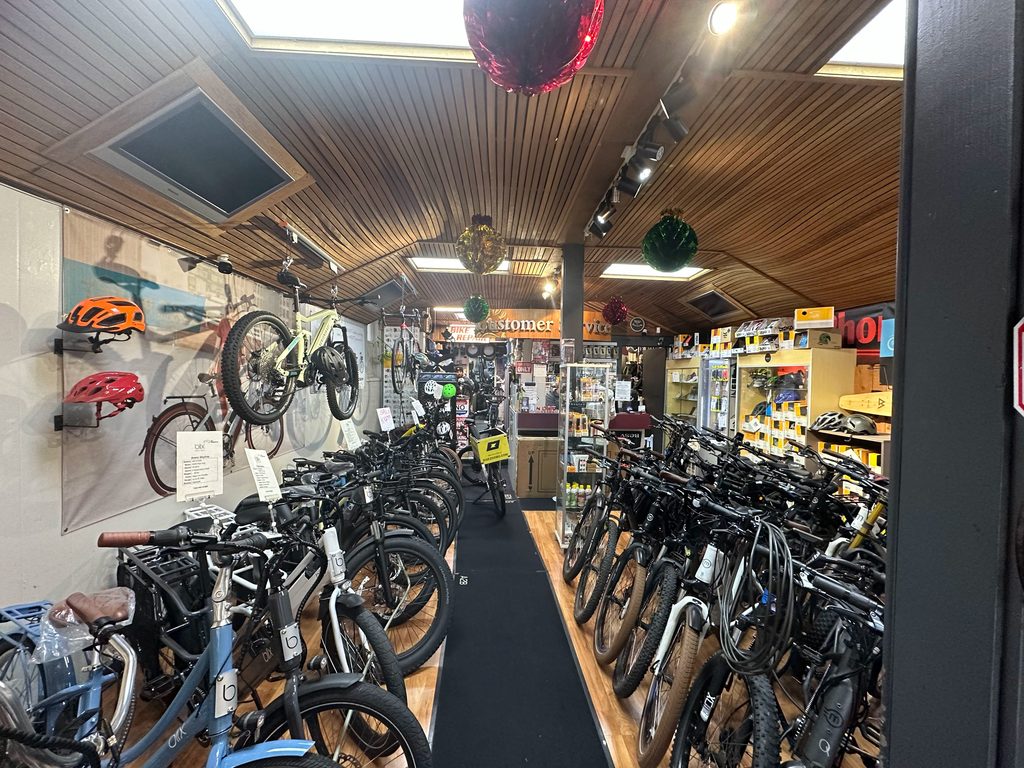
The supplier relationship is another important part of evaluating ebike dealership opportunities. For a new dealer, finding a reliable ebike wholesale supplier is often more important than simply choosing the lowest-priced products.
Dealers should look beyond the initial wholesale price. A lower purchase price does not always mean a lower overall cost of running the business.
Questions worth asking a supplier include:
- What is the minimum order quantity?
- How long does production normally take?
- Are replacement parts available?
- Can the bikes be customized?
- What warranty support is provided?
- Where are spare parts shipped from?
- What certifications are available for the target market?
- Can the supplier support larger orders as the business grows?
- How are defective or damaged components handled?
For dealers planning to develop their own brand, working directly with an electric bike OEM manufacturer can also be an option. This allows a business to develop its own specifications, colors, branding, and product configuration instead of selling an identical product used by many other retailers.
However, private-label and OEM projects normally require more planning than simply purchasing standard inventory.
How Much Inventory Does a New Dealer Need?
Inventory requirements vary significantly between businesses.
A new dealership does not necessarily need dozens of bikes on the first day. Carrying too much inventory can tie up capital, particularly when a new business has not yet established which models customers prefer.
A more practical approach can be to start with a limited selection and monitor sales.
For example, a dealer might begin with a commuter model, a step-through model, and one higher-performance model. Once customer demand becomes clearer, additional inventory can be added based on actual sales rather than assumptions.
Inventory planning should also include batteries, chargers, displays, controllers, brake components, tires, and other common replacement parts.
For electric bikes, having spare parts available can be just as important as having finished bikes available.
Understanding Dealership Margins
Wholesale price and retail price are only two parts of the financial picture.
A dealership also has to account for shipping, import costs, warehousing, assembly, payment processing, advertising, rent, employee costs, warranty work, and unsold inventory.
For this reason, a bike that appears to have a large difference between wholesale and retail pricing may not necessarily produce a large net profit.
Before placing a significant order, dealers should calculate the expected landed cost of each model and compare it with a realistic selling price in their market.
It is also useful to consider the potential revenue after the initial sale. Accessories, replacement parts, maintenance, service, and future purchases can all contribute to the overall value of a customer.
Local Regulations Matter
Electric bike regulations can vary by country, state, and even local jurisdiction.
Motor power, maximum assisted speed, throttle operation, lighting, reflectors, labeling, and other requirements may affect which models can legally be sold.
Dealers should confirm the rules that apply to their market before ordering inventory.
Certification documents may also be important when importing electric bikes and batteries. Depending on the market and configuration, suppliers may need to provide documents related to battery transportation, electrical safety, or bicycle standards.
It is important not to assume that a certification for one configuration automatically applies to every customized version of a bike.
After-Sales Service Can Make a Difference
One of the strongest advantages a local ebike dealer can have is service.
Electric bikes still contain many conventional bicycle components, but they also include batteries, motors, controllers, displays, sensors, wiring, and other electrical components.
Customers may need help diagnosing problems or replacing parts after several months of use.
A dealership that can provide basic maintenance and troubleshooting can build a stronger relationship with customers than a business that only handles the original sale.
For this reason, potential dealers should evaluate a supplier’s after-sales support before making a purchasing decision.
Should You Start With a Physical Store?
A physical store can help customers test ride bikes and gives the business a visible presence in the local community.
However, rent and operating expenses can make a traditional store expensive for a new business.
Some entrepreneurs start with a smaller showroom, workshop, warehouse, or appointment-based location and use their website and local advertising to generate customers.
The right choice depends on the market. A high-traffic location may be valuable in an area with strong cycling activity, while a lower-cost location may work better for a business that generates most leads online.
Building a Local Customer Base
Ebike dealerships often benefit from being connected to their local community.
Test ride events, cycling groups, local partnerships, and service programs can help introduce the business to potential customers without relying entirely on online advertising.
Dealers can also focus on specific use cases rather than trying to sell an ebike to everyone.
For example, a dealership near a large university may focus on student transportation. A business in a tourist destination could explore rentals and recreational bikes. A store in a suburban area might focus on commuting and family transportation.
Understanding the local customer is often more useful than simply following national sales trends.
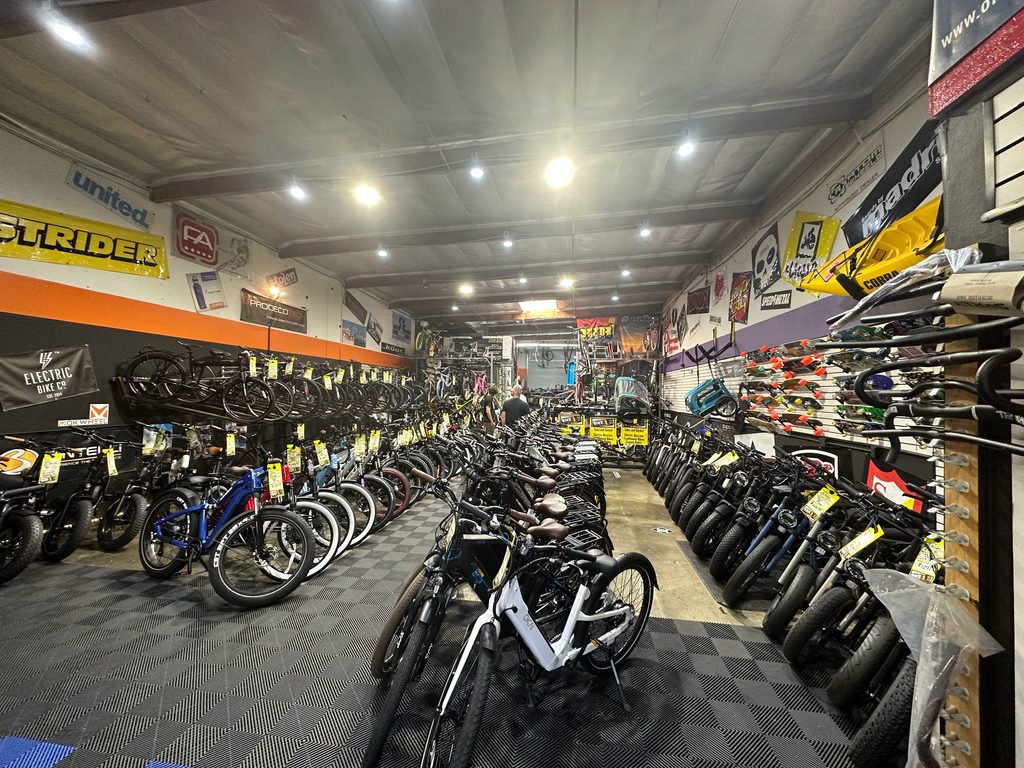
What to Look for in an Ebike Dealership Opportunity
Before committing to a supplier or opening a store, it is worth reviewing the opportunity from several angles.
Consider the following questions:
- Is there enough local demand for electric bikes?
- Who are the main customers?
- Which types of ebikes are most suitable for them?
- What price range can the local market support?
- How much capital can be invested in initial inventory?
- Can the supplier provide replacement parts?
- What certifications are required?
- How long will shipping and production take?
- Can the supplier support future orders?
- What type of warranty and technical support is available?
The answers will help determine whether a dealership should focus on standard retail products, commercial sales, private-label products, or a combination of several approaches.
Working With an OEM Supplier
For businesses that want to build a long-term brand, OEM manufacturing can provide more control over the product.
Instead of simply purchasing an existing bike, an OEM project may allow the dealer to choose components, battery capacity, motor specifications, colors, branding, packaging, and other details.
This approach usually requires higher minimum quantities and longer preparation times, so it may not be suitable for every new dealer.
For established retailers or businesses with a clear market strategy, however, OEM manufacturing can become an alternative to competing with dozens of dealers selling exactly the same model.
Is an Ebike Dealership Right for You?
The growing popularity of electric bikes has created opportunities for new dealers, but success depends on more than market growth.
A strong dealership needs the right products, a reliable supply chain, reasonable inventory management, good customer service, and a clear understanding of the local market.
For someone researching ebike dealership opportunities, the best starting point is not necessarily finding the cheapest bike supplier. It is understanding what local customers need and then finding products and a supplier that can support that demand over the long term.
The ebike market is broad enough to support different business models, from small bicycle shops and online retailers to commercial fleets and private-label brands. The businesses that understand their customers and plan their inventory carefully are generally in a better position to build a sustainable dealership.

Leave a Reply