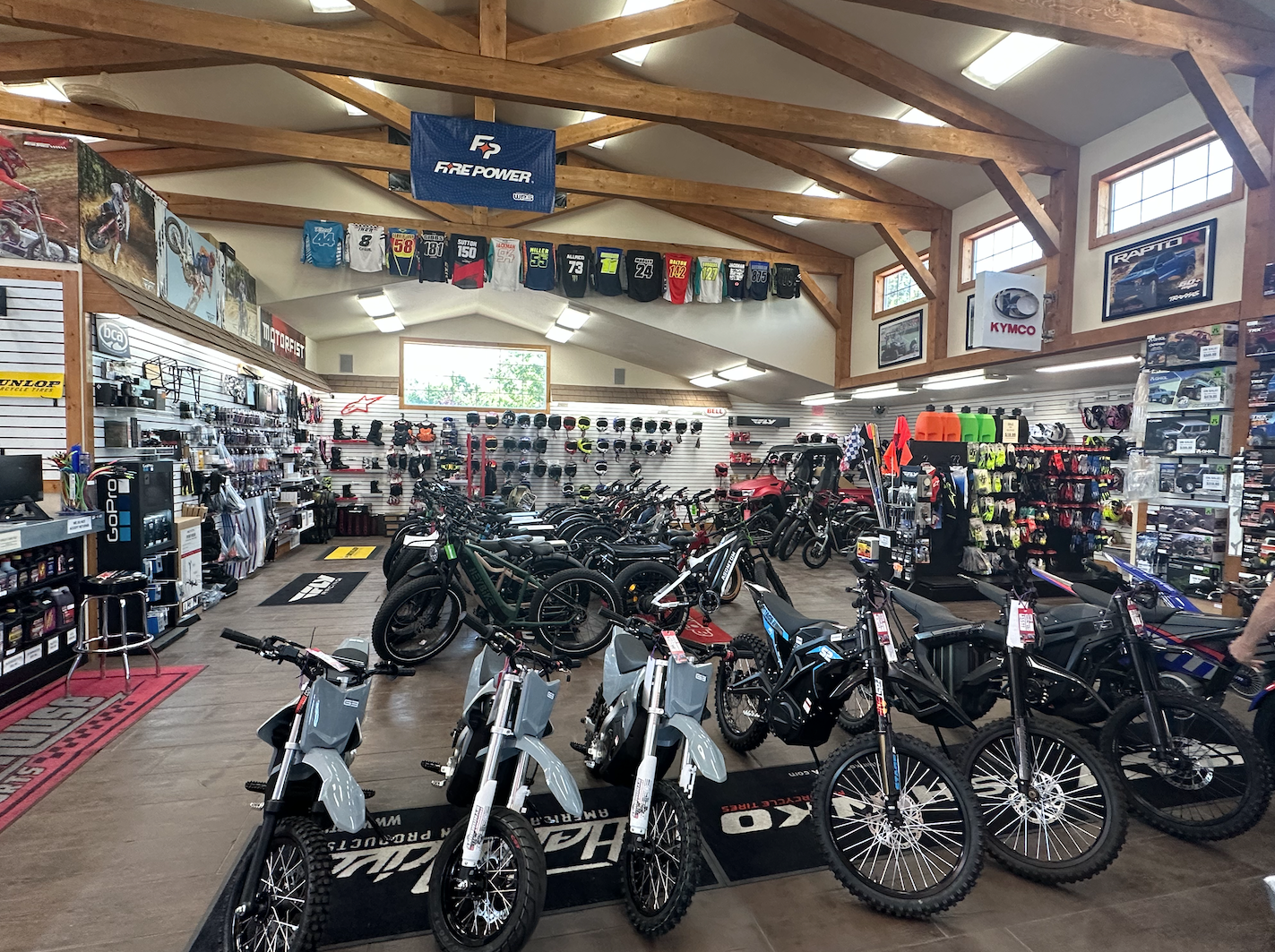
Starting an electric bike business can be a profitable opportunity, but how much can you actually make? The answer depends on your business model, purchasing costs, selling prices, operating expenses, and the type of customers you serve.
Understanding the ebike business profit margin is important whether you plan to open a local bike shop, build an online store, become an electric bike distributor, or launch your own private-label brand.
For businesses that source directly from manufacturers, choosing the right products and controlling costs can make a significant difference to long-term profitability.
In this guide, we will look at typical e-bike profit margins, the main costs involved, and practical ways to build a more profitable electric bike business.
What Is the Average Ebike Business Profit Margin?
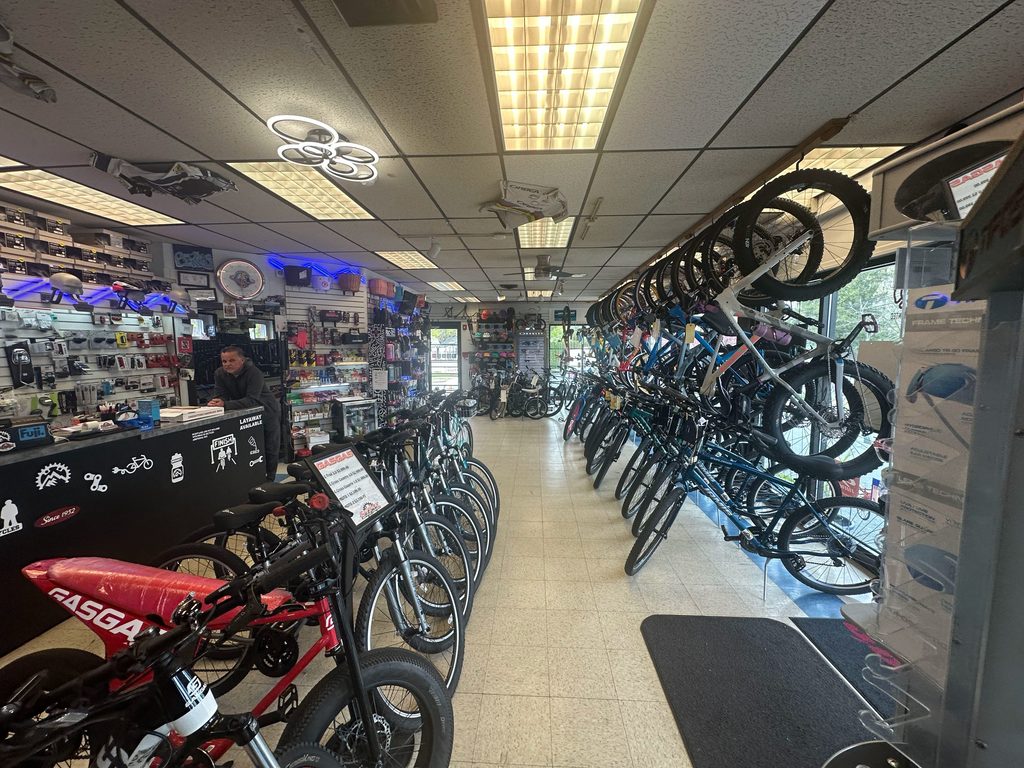
The profit margin of an e-bike business varies depending on how it operates. A retailer selling directly to consumers has a different cost structure from a wholesaler or an online seller.
As a general planning reference, businesses may use the following illustrative gross margin ranges when evaluating an e-bike business.
| Business Model | Illustrative Gross Profit Margin |
|---|---|
| Local e-bike retail store | 25%–40% |
| Online e-bike store | 20%–35% |
| E-bike wholesaler or distributor | 10%–25% |
| Private-label e-bike brand | 25%–45% |
| E-bike rental business | Depends on utilization and operating costs |
These figures are indicative estimates, not verified industry averages or guaranteed returns. Actual margins vary considerably based on purchase prices, sales volume, competition, warranty expenses, shipping, marketing, and local market conditions.
It is also important to distinguish between gross profit margin and net profit margin.
Gross profit margin measures the difference between sales revenue and the cost of the products sold.
Net profit margin measures what remains after additional expenses, including rent, salaries, advertising, shipping subsidies, payment processing, and other operating costs.
For example, an e-bike retailer might achieve a 30% gross margin but retain a much smaller percentage as net profit after paying all business expenses.
This is why looking at the selling price alone does not provide a complete picture of profitability.
How to Calculate Your Ebike Business Profit Margin
The basic gross profit margin formula is straightforward.
Gross Profit Margin = (Selling Price − Product Cost) ÷ Selling Price × 100%
Let’s look at a practical example.
Suppose you purchase an electric bike from a manufacturer for $900 and sell it to a customer for $1,500.
Your gross profit per bike is:
$1,500 − $900 = $600
Your gross profit margin is:
$600 ÷ $1,500 × 100% = 40%
At first glance, this looks like a strong margin. However, the $600 is not your final profit.
You may still need to pay for transportation, import duties, warehousing, advertising, payment processing, assembly, and after-sales service.
If these additional costs total $250 per bike, your remaining profit before other business overhead and taxes would be $350.
Your actual net profit will depend on the rest of your operating expenses.
When comparing e-bike suppliers, always calculate the total landed cost rather than relying on the factory price alone.
What Costs Affect E-Bike Profit Margins?
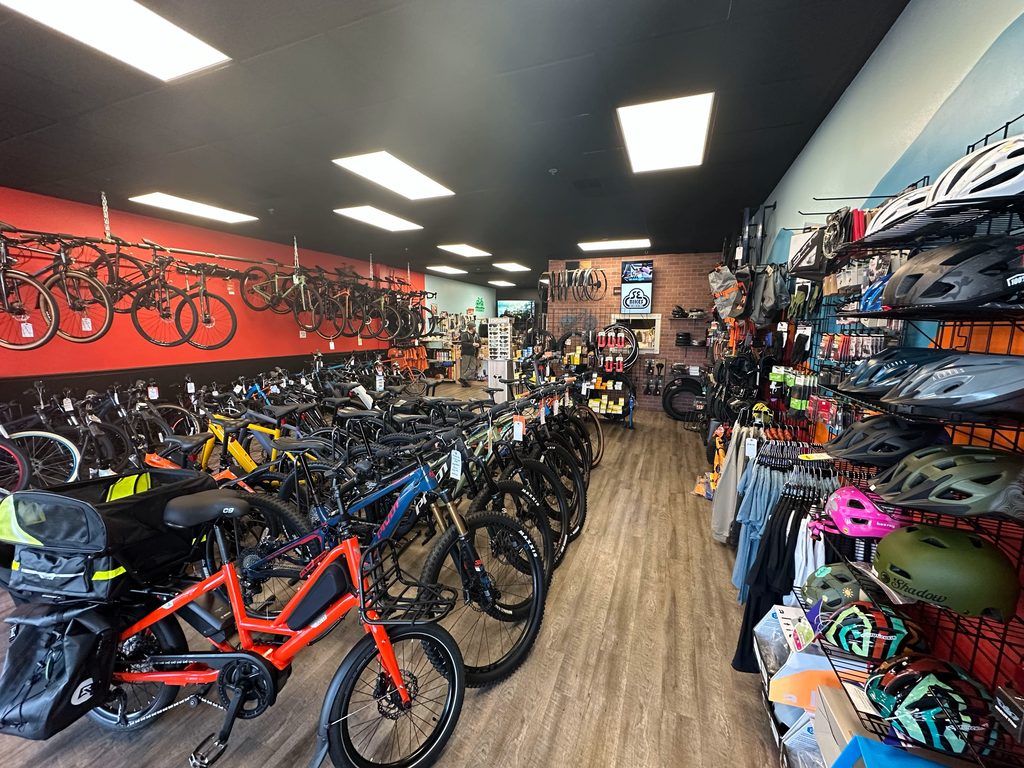
Several factors determine whether an electric bike business can maintain healthy profit margins.
1. Product Purchasing Cost
The purchase price is one of the most important factors affecting profitability.
Buying directly from an e-bike manufacturer may reduce unnecessary intermediary costs and give you more control over product specifications.
However, the lowest factory price is not always the best choice. A bike with poor quality, unreliable components, or limited after-sales support may create additional expenses later.
When evaluating suppliers, consider the product quality, warranty terms, production capacity, and consistency of manufacturing alongside the quoted price.
2. Shipping and Import Costs
Electric bikes are relatively large products, and their batteries can make transportation more complicated.
Depending on your destination market, total import costs may include:
- International freight
- Customs duties and import taxes
- Customs clearance
- Warehousing and domestic delivery
- Battery-related transportation requirements
These expenses should be included in your cost calculations before setting a retail price.
For businesses importing larger quantities, comparing shipping arrangements and planning orders carefully can help reduce the cost per bike.
3. Marketing and Customer Acquisition
Online e-bike businesses often invest heavily in advertising, search engine optimization, social media, and influencer partnerships.
These activities can generate sales, but they also affect profitability.
For example, if you earn $500 in gross profit from a bike but spend $150 to acquire the customer, your remaining contribution is $350 before other expenses.
A business that depends entirely on paid advertising may face pressure when advertising costs increase.
Building organic traffic through useful content, product comparisons, buying guides, and local search optimization can help diversify customer acquisition channels over time.
4. Warranty and After-Sales Service
Electric bikes combine mechanical components, electrical systems, and lithium-ion batteries. Problems with any of these components can create additional costs.
A clear warranty policy and a reliable supplier can help reduce uncertainty when handling customer complaints and product repairs.
Before placing an order, confirm the warranty period, availability of replacement parts, technical support arrangements, and procedures for handling defective products.
A supplier that offers consistent product quality and responsive support can be more valuable than one that simply provides the lowest quotation.
5. Inventory and Cash Flow
Holding too much inventory can tie up capital and increase storage costs. Holding too little inventory may result in missed sales when popular models are unavailable.
New businesses should avoid ordering large quantities before understanding local demand.
Starting with a focused product range, testing customer response, and gradually expanding inventory can help reduce financial risk.
Remember that a business can report a profit on paper while still experiencing cash flow problems if too much money is tied up in unsold inventory.
Which E-Bike Business Model Offers Better Profit Potential?
There is no single business model that guarantees the highest profit. The right approach depends on your available capital, customer base, sales channels, and operational capabilities.
Opening a Local E-Bike Store
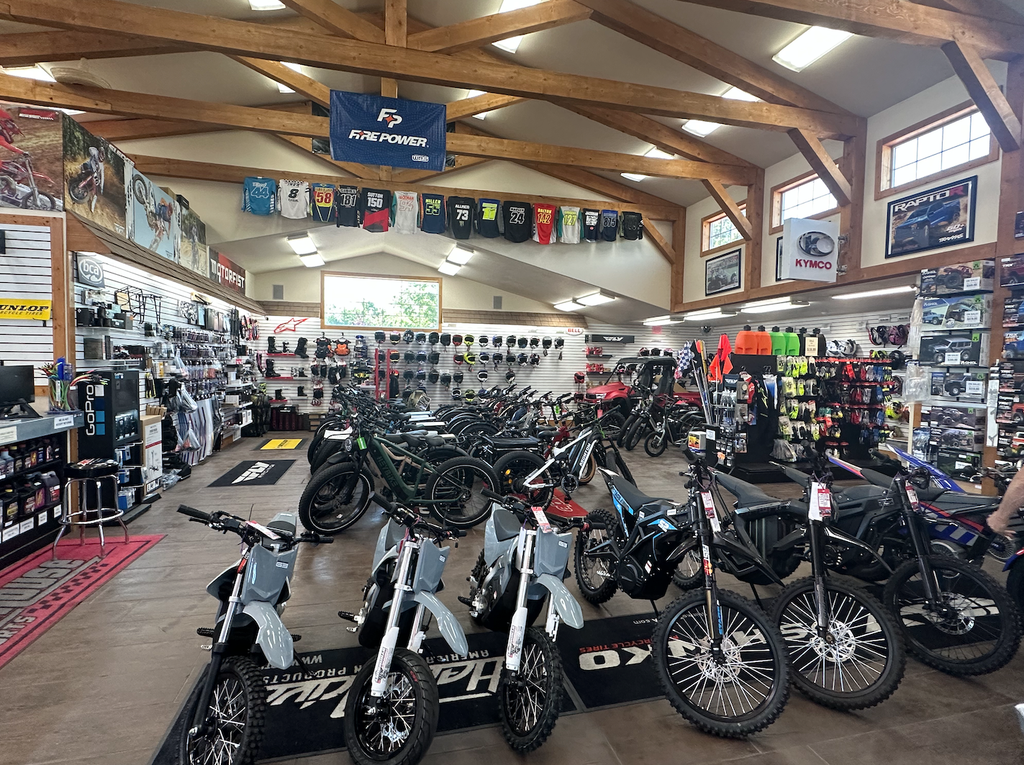
A physical store allows customers to test ride bikes, compare models, and receive assistance before purchasing.
Local retailers may also generate additional revenue through accessories, maintenance, repairs, and replacement parts.
However, rent, staffing, utilities, and local marketing can increase operating expenses.
For a store owner, choosing reliable products that fit local customer needs is often more important than offering the largest possible selection.
Selling Electric Bikes Online
An online store can reach customers beyond a single geographic area and may require less investment in retail space.
However, online sellers face strong price competition and must account for advertising, website operations, payment fees, shipping, returns, and customer service.
Clear product descriptions, accurate specifications, realistic range claims, and good customer support can help build trust and improve conversion rates.
Search engine optimization can also help online stores attract customers who are already researching or comparing electric bikes.
Becoming an E-Bike Distributor
Distributors purchase products from manufacturers and supply them to local dealers or other businesses.
This model often relies on sales volume, efficient logistics, and long-term relationships with retailers.
Although the margin per bike may be lower than direct retail, distributors can benefit from repeat orders and larger purchasing quantities.
A successful distributor needs dependable supply, competitive pricing, and products that local dealers can sell with confidence.
Building Your Own Private-Label E-Bike Brand
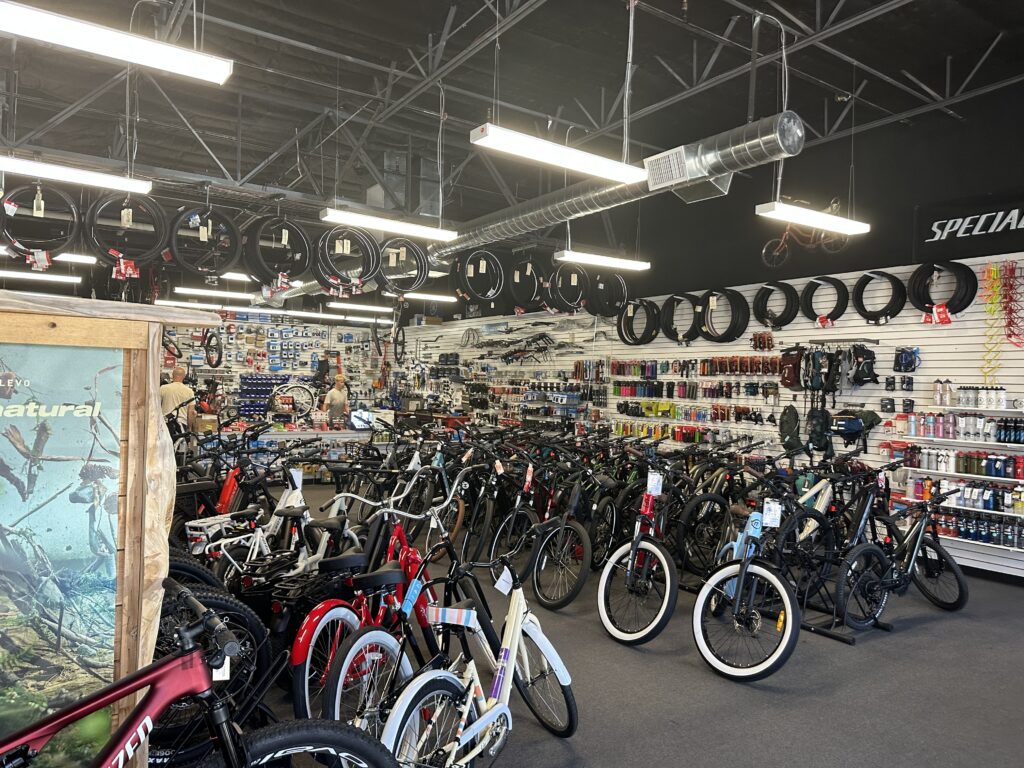
Private labeling allows businesses to sell electric bikes under their own brand.
Working with an OEM or ODM manufacturer can help you develop products with your preferred branding, colors, components, and specifications.
A private-label business may have more control over its positioning and pricing than a reseller selling identical products from multiple competing brands.
However, brand development also requires investment in product selection, marketing, inventory, customer service, and quality control.
Before launching a private-label line, evaluate the minimum order quantity, sample costs, production lead times, certification requirements, and expected demand.
How to Increase Your Ebike Business Profit Margin
If you already sell electric bikes, there are several practical ways to improve profitability.
Choose the Right Price Positioning
Competing entirely on price can make it difficult to maintain healthy margins.
Instead, focus on a clear target market and select products that meet its needs.
For example, some customers prioritize affordability, while others are willing to pay more for better battery capacity, a comfortable riding experience, useful accessories, or dependable after-sales service.
Your pricing should reflect the value you provide while remaining competitive in your market.
Work Directly With a Reliable Manufacturer
Purchasing directly from a manufacturer can simplify communication and provide more opportunities to customize products.
For businesses planning to grow, a long-term manufacturing relationship may also help improve production planning and product consistency.
Before choosing a supplier, compare quotations carefully. Make sure each quotation covers the same motor, battery, components, certification requirements, packaging, and shipping terms.
This makes it easier to understand the real cost difference between suppliers.
Focus on Products With Clear Market Demand
Not every e-bike category performs equally well in every market.
Commuter bikes may appeal to daily riders, while cargo and delivery e-bikes can serve businesses that need practical transportation solutions.
Mountain-style electric bikes may attract customers who prioritize versatility and recreational use.
Research local competitors, retail prices, customer preferences, and applicable regulations before deciding which models to stock.
A smaller selection of well-matched products can be easier to manage than a large inventory of models with uncertain demand.
Build a Strong After-Sales Process
Customer service is not simply an expense. It can help protect your reputation and encourage repeat business.
Provide accurate product information, clear warranty terms, and timely support when customers experience problems.
For dealers and distributors, access to technical documentation and replacement components can also make daily operations easier.
Reliable after-sales support can help distinguish your business from sellers who compete mainly on price.
Use SEO to Generate Long-Term Traffic
Search engine optimization can help an e-bike business attract potential customers who are actively researching products.
Instead of focusing only on broad terms such as “electric bikes,” create useful pages around more specific searches, including:
- Best electric bikes for commuting
- Electric bike wholesale suppliers
- Electric bike OEM manufacturer
- Electric delivery bikes for business
- Private-label electric bike manufacturing
- Electric bike distributor opportunities
These topics can attract different types of buyers, from individual consumers to retailers and commercial fleet operators.
Useful content should answer real customer questions rather than repeat keywords unnecessarily.
Over time, a well-organized website with relevant product pages and informative articles can become a valuable source of qualified traffic.
Is Selling Delivery E-Bikes a Profitable Business?
Delivery e-bikes can be an attractive niche for businesses serving restaurants, food delivery riders, courier companies, and commercial fleets.
Compared with ordinary consumer models, delivery bikes may require specific features such as stronger cargo capacity, durable components, practical accessories, and batteries suited to the intended working conditions.
The business opportunity is not limited to selling individual bikes. Depending on local demand, suppliers and dealers may also serve fleet buyers, delivery companies, and rental operators.
However, commercial customers often pay close attention to purchase price, durability, maintenance costs, battery performance, and product availability.
For this reason, suppliers should evaluate the total cost of ownership rather than focusing only on the initial selling price.
Before entering this market, research local e-bike regulations, permitted motor specifications, battery requirements, and the needs of your target customers.
A product that works well for recreational riding may not be the best choice for daily commercial delivery.
How to Choose an E-Bike Manufacturer for Your Business
Your manufacturer can have a direct impact on your purchasing costs, product quality, delivery schedule, and ability to grow.
When evaluating an electric bike supplier, consider the following questions:
- Does the manufacturer offer OEM and ODM services?
- What is the minimum order quantity?
- Can the manufacturer customize the frame, colors, logo, and components?
- What production capacity and lead times can it support?
- Which certifications are available for your target market?
- What warranty and after-sales support does it provide?
- Can it maintain consistent quality across repeat orders?
- What are the payment terms and shipping arrangements?
It is also worth requesting a sample before committing to a large order, especially if you are developing a new brand or entering an unfamiliar market.
A sample allows you to evaluate the product, test its suitability, and identify any changes needed before mass production.
Why Work With HAIDONG E-Bike?
For businesses looking to develop their own electric bike products, HAIDONG E-Bike provides OEM and ODM manufacturing services for business customers.
We work with customers on product selection, specifications, branding, and customization to support different market requirements.
Whether you are an existing distributor, an e-bike retailer, or a business planning to launch a private-label brand, selecting the right product configuration is an important step in controlling costs and building a sustainable business.
Our team can discuss your target market, preferred models, required specifications, and estimated order quantity to help identify suitable options.
We believe that long-term business growth depends on more than a low purchasing price. Product quality, reliable communication, and practical after-sales support are also important parts of a successful partnership.
If you are comparing manufacturers for your next e-bike order, visit the HAIDONG E-Bike website at hd-ebike.com to learn more about our products and manufacturing services.
Final Thoughts
The ebike business profit margin depends on more than the difference between the factory price and the retail price.
Shipping, import duties, marketing, warranty costs, inventory management, and operating expenses all affect the final result.
Retailers may benefit from direct customer relationships, distributors may focus on sales volume, and private-label brands may have more flexibility in product positioning.
The most sustainable approach is to understand your target market, calculate your total costs, choose reliable products, and build a supply chain that can support long-term growth.
If you are planning to enter the electric bike industry or expand your existing business, start by comparing the available business models and calculating the expected profit per bike before making a large investment.
A clear financial plan and the right manufacturing partner can help you make better decisions as your business grows.

Leave a Reply