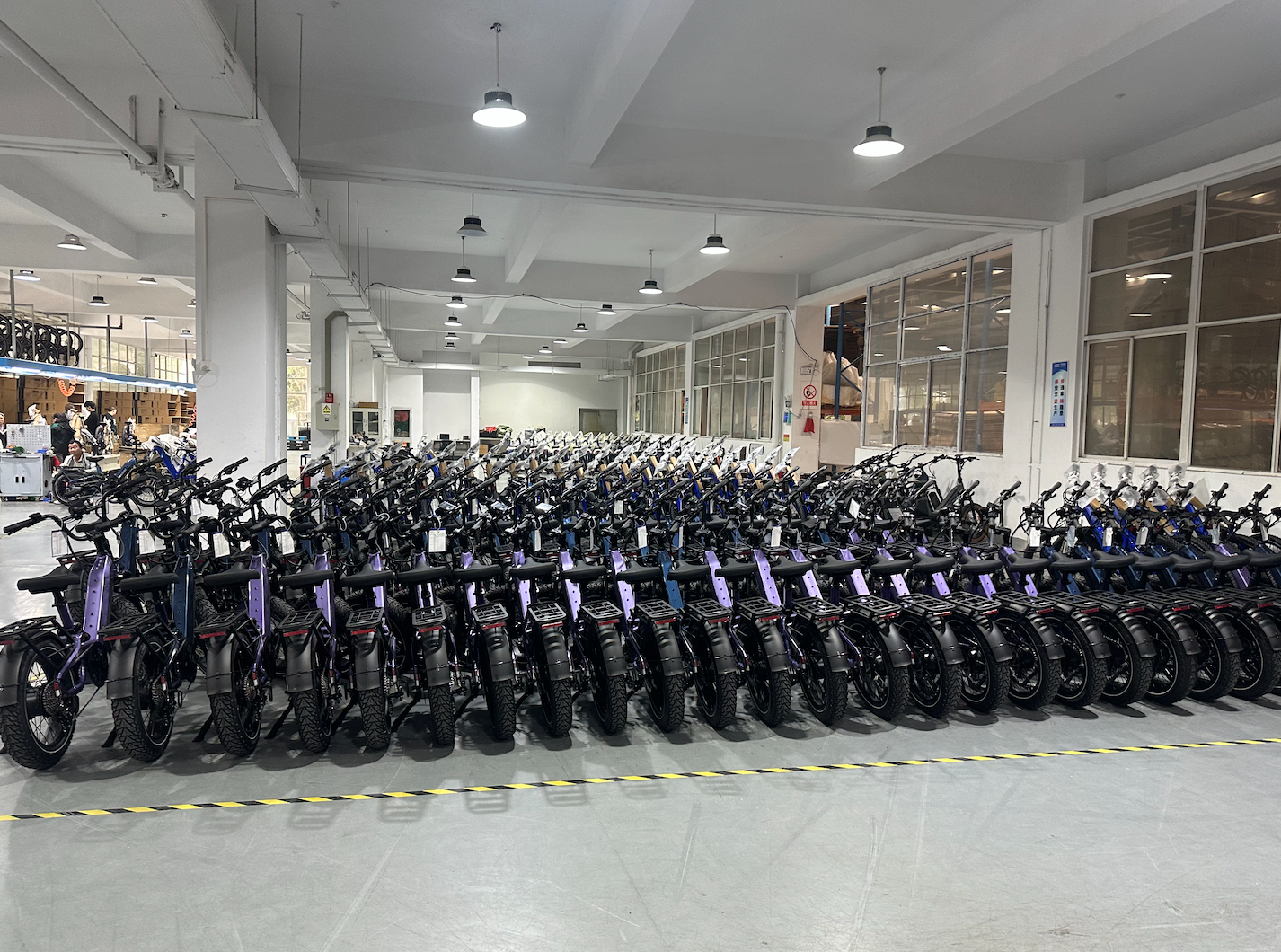
The demand for electric bikes continues to grow across delivery, retail, and mobility markets. For businesses planning to launch a delivery bike brand or expand an existing product range, choosing the right delivery ebike OEM partner is an important step. A capable manufacturing partner can help turn an initial idea into a practical product through model selection, component configuration, frame development, sample production, branding, and mass production.
At Haiding, we focus on OEM and private-label electric bike projects for business customers. We work with brands, distributors, wholesalers, and fleet operators that need products developed around their market requirements. Whether you are looking for an existing model with selected changes or a more customized bike, a clear development process helps both sides move forward efficiently.
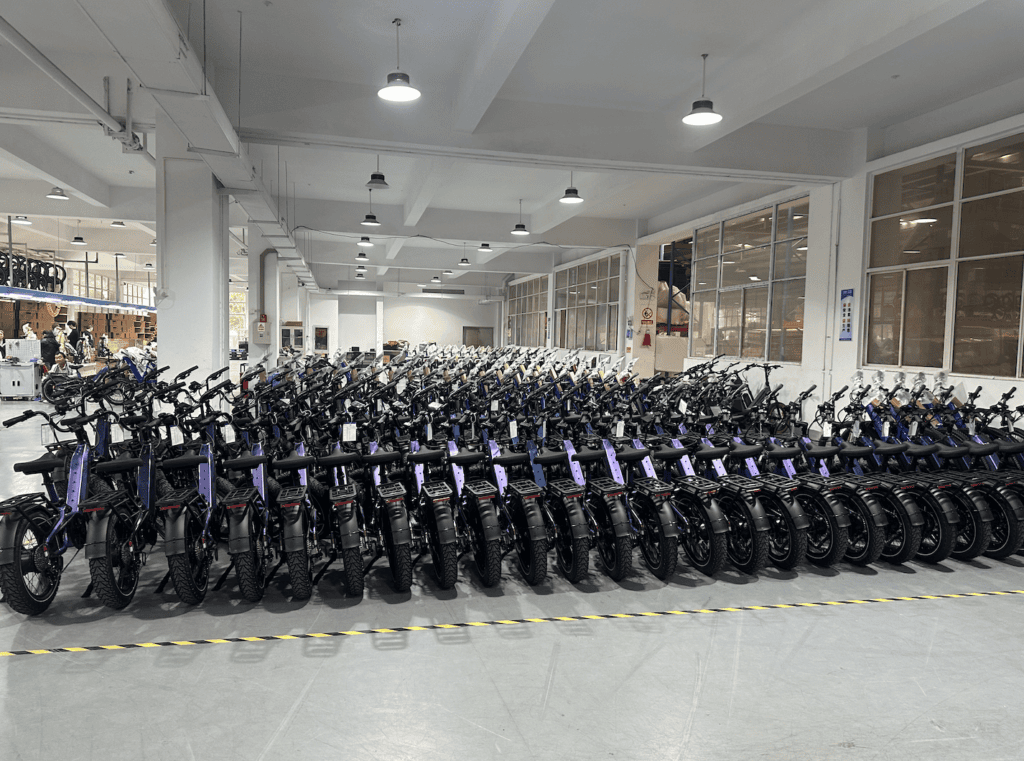
What Is a Delivery Ebike OEM Project
OEM stands for original equipment manufacturing. In an e-bike project, this means that a manufacturer produces bicycles based on a customer’s specifications and business requirements. The customer may choose a suitable model from the manufacturer’s range, adjust selected components, add their own branding, or discuss a more extensive design change.
A delivery e-bike project can involve more than selecting a motor and battery. The bike may need a specific cargo setup, a reinforced rear rack, a front basket, passenger accessories, a particular frame shape, or components selected for frequent daily use. The right specification depends on the intended riders, delivery conditions, local market, target retail price, and required order quantity.
Working with an experienced delivery ebike OEM manufacturer allows businesses to discuss these requirements with a team that can review the product as a complete system. This can help identify compatibility issues and confirm important details before a sample or production order is approved.
Why Delivery Businesses Choose OEM E-Bikes
An off-the-shelf electric bike may not be designed for the needs of a delivery business. Fleet operators may need practical cargo options, while retailers and brands may want a product that reflects their own identity. OEM production gives businesses the opportunity to adapt a bike to those needs.
Product specifications that match your market
Different customers have different priorities. One business may focus on carrying capacity and daily range, while another may prioritize a lower step-over frame, easy maintenance, or a particular battery configuration. OEM discussions allow you to describe how the bike will be used and review possible specifications with the manufacturer.
Branding for your business
A private label e-bike manufacturer can help your business build a product line under its own brand. Depending on the project, customization may include frame colors, logos, labels, packaging, and selected components. Confirm the available options and minimum order quantities early so the branding and production details can be planned together.
A product range that can grow with your business
Some businesses begin with a small selection of models and expand as demand develops. An OEM partner can help you compare configurations and plan a product range for different customer groups, such as delivery riders, commuters, or family cargo bike users.
Better planning for service and spare parts
Delivery bikes may be used frequently, so after-sales planning should be part of the project from the beginning. Discuss the availability of replacement parts, warranty coverage, service information, and the process for handling technical questions. Clear expectations can help distributors and fleet operators plan long-term support.
What to Consider When Developing a Delivery E-Bike
A delivery bike should be specified according to its intended use. Instead of choosing components individually without considering the whole bike, begin with the requirements of the business and work through the configuration step by step.
Frame design and rider access
The frame affects riding position, stability, mounting space, and ease of access. Consider who will ride the bike, how often riders may need to get on and off, and whether the bike needs to accommodate different rider heights. If a frame adjustment is required, share reference photos, marked-up images, or drawings with the manufacturer. These materials help the engineering team understand the requested change.
Rear racks and cargo accessories
Cargo arrangements are central to many delivery bike projects. You may need a rear rack, front rack, basket, delivery box, passenger seat, footrests, or handrail. Each accessory should be reviewed for fit, attachment points, rider clearance, and the space available around the bike.
For example, extending a rear rack may provide more room for accessories, but it can also affect the bike’s proportions, packaging, and the number of units that fit in a shipping container. These trade-offs should be discussed before the rack dimensions are finalized.
If your business uses a specific mounting standard or has a preferred cargo accessory, provide the mounting pattern or product details as early as possible. This gives the manufacturer a chance to check compatibility before sample production.
Motor and battery configuration
Motor and battery choices influence the bike’s performance, range, weight, and cost. The appropriate configuration depends on the intended terrain, expected riding distance, local regulations, and the type of cargo being carried.
When discussing motor and battery options with a delivery ebike OEM supplier, explain how the bike will be used. Include typical daily distance, expected load, road conditions, and whether the bike will be used by one rider or a shared fleet. These details help the manufacturer recommend a suitable configuration for evaluation.
Battery certifications and market requirements should also be confirmed for the countries where the bikes will be sold or operated. Requirements can vary by market, so customers should identify the destination countries during the early stages of product development.
Brakes, tires, and drivetrain
Brakes, tires, and drivetrain components affect how the bike performs in everyday use and how it can be maintained. When choosing components, consider the expected mileage, local terrain, replacement availability, and the experience of local service teams.
For businesses operating fleets, consistency can be valuable. Using a standardized component configuration across multiple models may make it easier to manage spare parts and train service staff. If several models are being developed at the same time, confirm which components should be shared and which should remain model-specific.
Lights, fenders, and protection parts
Delivery bikes may be used in different weather and lighting conditions. Lights, fenders, chain protection, spoke guards, and other protective parts can be considered as part of the specification. Confirm how each part is attached and whether it can be securely installed without temporary fastening methods.
Photos and sample reviews can be especially helpful for these components. They allow the customer and manufacturer to review the appearance and fit before final approval.
Color, logo, and product presentation
Branding should be planned before mass production. Provide logo files, preferred colors, placement references, and any labeling requirements. The manufacturer can then confirm which details are feasible and whether a physical color sample or printed proof is needed.
If the bike will be sold through retail channels, consider how the product will be presented in catalogs, product pages, and packaging. Consistent visuals can help customers understand the model range and distinguish one configuration from another.
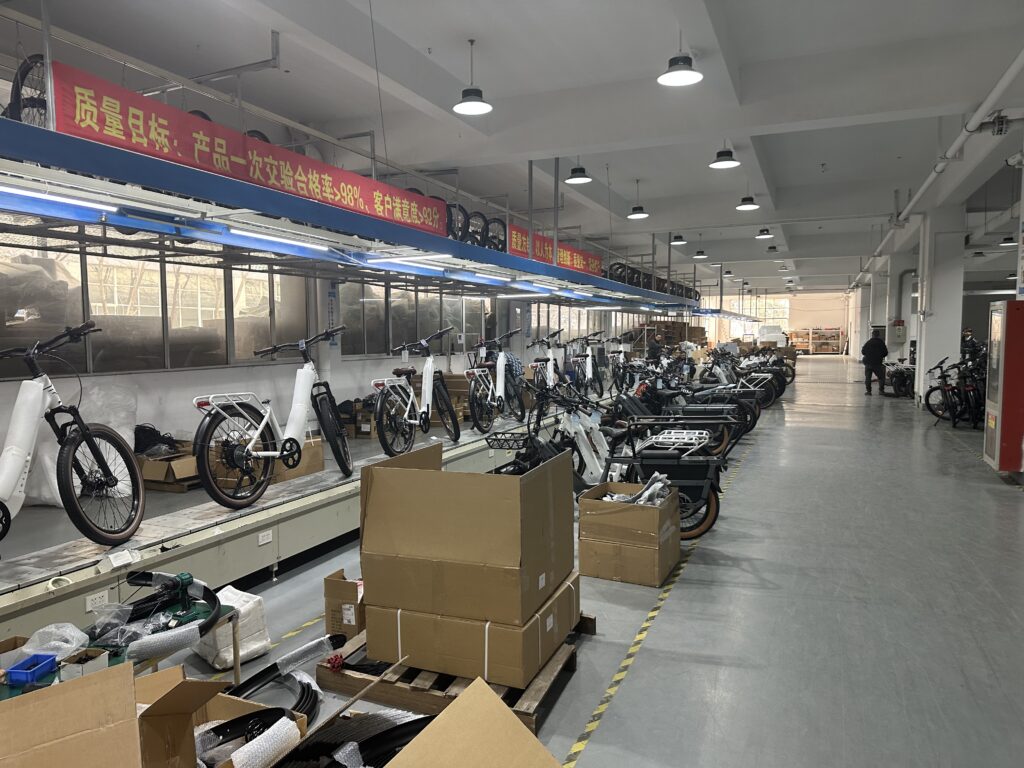
How the Delivery Ebike OEM Process Works
A structured process can reduce avoidable changes and make the project easier to manage. The exact workflow depends on the product, but most projects follow several common stages.
1. Share your project requirements
Start with a clear project brief. Include the target market, intended use, expected order quantity, budget range, preferred bike style, and any important technical or branding requirements. If you already have a reference model, send photos or a product link.
2. Review suitable models and configurations
The manufacturer can review your requirements and suggest an existing model or a potential configuration. At this stage, discuss the motor, battery, frame, brakes, tires, drivetrain, cargo accessories, and branding options that matter to your project.
3. Confirm technical details
Before sample production, review the specifications carefully. Confirm dimensions, mounting points, accessory positions, component brands or models, battery arrangement, colors, and logo placement. If a design change is needed, mark it clearly on a photo or drawing and ask the engineering team to confirm whether it can be made.
4. Develop and review a sample
A sample gives both sides an opportunity to evaluate the product in physical form. Check the fit and finish, riding position, accessory mounting, component operation, and overall appearance. Collect feedback from the people who will use or service the bike whenever possible.
When requesting changes, provide specific feedback. Photos with arrows or short notes can help clarify what should be adjusted. The manufacturer can then review the requested changes and advise on the next steps.
5. Approve the final specification
Once the sample and requested changes have been reviewed, confirm the final product specification in writing. This may include a bill of materials, color details, logo files, accessories, packaging requirements, quality expectations, and delivery arrangements.
A written approval helps reduce confusion during production, particularly when a project includes multiple models or several accessory combinations.
6. Plan production and shipping
Production timing depends on the model, order quantity, customization requirements, and component availability. Discuss the expected schedule with the manufacturer and agree on how progress updates will be shared.
Shipping should also be considered during product design. Packaging dimensions and container loading can affect transportation costs and the number of bikes that can be shipped in one order. For this reason, cargo accessories and frame changes should be reviewed with packing and shipping needs in mind.
7. Prepare after-sales support
Before shipment, clarify how technical questions and warranty cases will be handled. Ask what information is needed when reporting an issue, whether photos or videos should be provided, and which replacement parts may be available. A clear after-sales process can support a smoother experience for distributors, dealers, and fleet customers.
Questions to Ask an E-Bike OEM Manufacturer
Before starting a project, it is helpful to ask practical questions about product development and production.
- Which existing models are suitable for delivery use?
- What frame and component changes can be considered?
- What is the minimum order quantity for the selected model?
- Which colors, logos, labels, and packaging options are available?
- Can the manufacturer produce a sample before mass production?
- What certifications are available for the battery and other components?
- How are quality checks carried out during production?
- What spare parts and technical support are available after delivery?
- What is the estimated production schedule?
- Which shipping terms and destinations can be supported?
The answers will help you compare potential suppliers and understand whether their capabilities match your project.
How to Prepare a Clear Project Brief
A well-prepared brief can make the first discussion more productive. Include as much of the following information as you already know:
- Target country or region
- Type of customer, such as fleet operator, retailer, distributor, or brand
- Intended use and typical riding conditions
- Preferred frame style and wheel size
- Motor and battery requirements
- Cargo racks, baskets, seats, footrests, or other accessories
- Preferred brakes, tires, drivetrain, and lights
- Logo, color, and packaging requirements
- Estimated order quantity
- Target price range and expected delivery schedule
You do not need to have every detail finalized before contacting a manufacturer. Sharing the information you have allows the team to identify what still needs to be confirmed and help you move toward a workable specification.

Choosing the Right Delivery Ebike OEM Partner
The right manufacturing partner should communicate clearly, understand your intended market, and explain the practical choices involved in developing your product. Look for a team that can discuss both the benefits and limitations of a requested change, review compatibility questions, and confirm specifications before production begins.
A productive OEM relationship also depends on clear communication from both sides. Customers should provide timely feedback on drawings and samples, while manufacturers should share progress updates and raise questions when a detail needs clarification. This cooperation helps keep development decisions organized and reduces the risk of misunderstandings.
Work With Haiding on Your Delivery E-Bike Project
Haiding is a custom electric bike manufacturer focused on OEM and private-label services for business customers. We work with customers to review product requirements, discuss suitable configurations, and develop electric bikes for different markets and applications.
If you are planning a delivery e-bike project, share your target market, expected quantity, preferred model, required accessories, and branding needs with our team. We can discuss the available options and help you identify the next steps for your project.

Leave a Reply