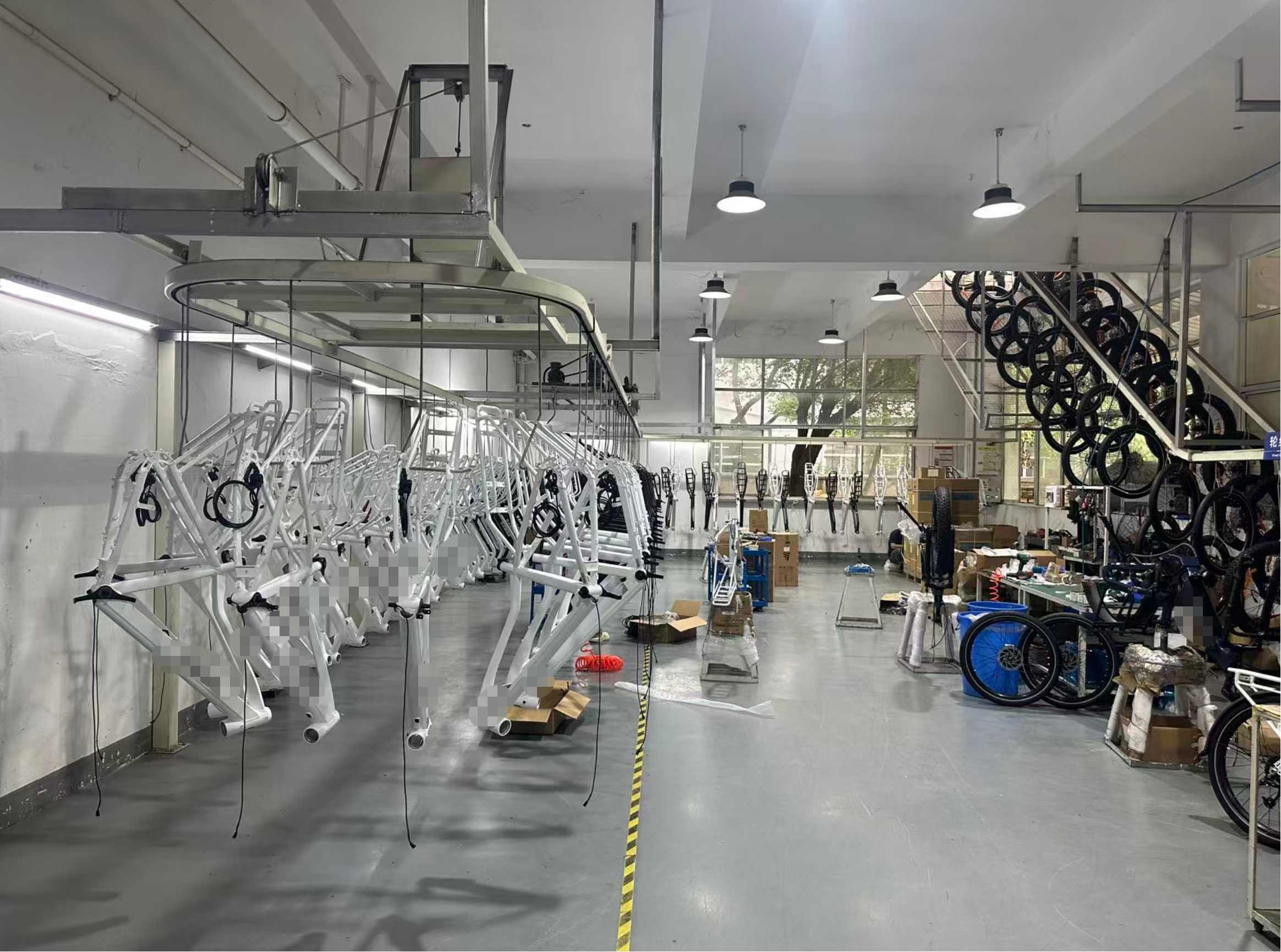
The electric bike market has grown rapidly in recent years, creating new opportunities for entrepreneurs, bike shops, distributors, and online brands. However, choosing the right business model is one of the most important decisions for anyone entering the ebike industry.
Many companies focus only on finding the lowest product price, but a successful ebike business requires more than cheap products. Product quality, supply chain stability, after-sales support, branding, and market positioning all play important roles.
In this article, we will explore the best business models for ebike companies and explain how different strategies can help businesses grow in competitive markets.
1. Private Label Ebike Brand Model
One of the most popular business models in the electric bike industry is building a private label ebike brand.
Instead of manufacturing bikes from scratch, companies work with an experienced OEM ebike manufacturer to develop products under their own brand name.
This model allows businesses to focus on marketing, sales channels, and customer relationships while relying on professional manufacturers for product development and production.
Advantages of the private label model include:
- Building a unique brand identity
- Creating long-term customer value
- Controlling product positioning and pricing
- Developing exclusive bike designs and specifications
For companies that want to enter the US or European markets, private label production is often a more efficient option than investing in their own factory.
2. Ebike Wholesale Distribution Model
The wholesale model is another traditional and effective business approach.
Distributors purchase electric bikes in larger quantities from manufacturers and sell them through local dealers, bike shops, or retail networks.
This model works especially well for companies that already have:
- Local sales channels
- Dealer networks
- Warehousing capability
- Customer service teams
A reliable supply chain is essential for wholesale success. Businesses need consistent product quality, stable delivery times, spare parts availability, and technical support.
Working with experienced manufacturers that provide wholesale electric bikes can help distributors reduce operational risks and improve profitability.
3. Online Direct-to-Consumer (DTC) Ebike Business
The direct-to-consumer model has become one of the fastest-growing approaches in the ebike market.
Companies sell directly through their own websites, online stores, or marketplaces without relying heavily on traditional retailers.
Benefits of the DTC model include:
- Higher profit margins
- Direct customer relationships
- Better control over branding
- Ability to collect customer feedback quickly
However, DTC businesses also need strong capabilities in:
- Digital marketing
- Customer support
- Logistics management
- Warranty service
For new brands, partnering with suppliers that offer inventory support and after-sales solutions can make the process much easier.
4. Ebike Rental and Fleet Business
Electric bike rental businesses are growing in many tourism areas, cities, and commercial locations.
Typical customers include:
- Hotels and resorts
- Tour operators
- Delivery companies
- Corporate transportation programs
Fleet businesses usually require durable products, easy maintenance, and reliable battery systems.
Compared with individual sales, fleet orders often create stable recurring revenue opportunities.
5. OEM and ODM Manufacturing Partnership
For companies that already understand their target market, working directly with an OEM/ODM supplier can create significant advantages.
An ODM partnership allows businesses to modify existing designs, while OEM production enables companies to create bikes with their own branding and specifications.
A professional supplier can help with:
- Frame design
- Motor and battery configuration
- Component selection
- Logo customization
- Packaging solutions
- Production management
Companies looking for custom electric bike solutions can reduce development costs while still creating differentiated products.
6. Hybrid Business Model: Combining Multiple Channels
Many successful ebike companies do not rely on only one sales method.
A hybrid approach may include:
- Online direct sales
- Local bike dealers
- Wholesale distribution
- Corporate fleet sales
- Private label partnerships
This approach creates multiple revenue streams and reduces dependence on a single market channel.
For example, a company may sell premium models online while providing wholesale products to local dealers.
How to Choose the Right Ebike Business Model?
The best business model depends on your resources, market knowledge, and long-term goals.
Consider the following questions:
What is your target customer?
Different customers require different products.
A commuter bike customer, hunting enthusiast, delivery company, and rental business all have different requirements.
Do you want to build a brand or focus on sales?
If your goal is long-term growth, developing your own brand through private labeling may provide more value.
If your priority is faster market entry, wholesale distribution may be a better choice.
Do you need customization?
Businesses targeting specific markets often need different specifications, designs, and features. Choosing a manufacturer with strong customization capabilities is important.
Choosing the Right Ebike Manufacturing Partner
A successful ebike business starts with a reliable supply chain.
The right manufacturing partner should provide:
- Stable production capacity
- Quality control systems
- Flexible customization options
- International shipping experience
- After-sales support
At HAIDONG E-Bike, we support global partners with OEM and ODM electric bike manufacturing services, helping businesses develop products for markets including North America, Europe, and other international regions.
Whether you are building a new private label brand, expanding a dealer network, or looking for a reliable ebike factory, choosing the right partner can make a significant difference in your business growth.
Conclusion
There is no single perfect business model for every ebike company. The most successful businesses choose a strategy that matches their market, customers, and operational capabilities.
Private label brands, wholesale distribution, DTC sales, fleet solutions, and OEM partnerships all provide different opportunities.
As the electric bike market continues to expand, companies that combine strong products, reliable suppliers, and clear market positioning will have the best chance of long-term success.

Leave a Reply