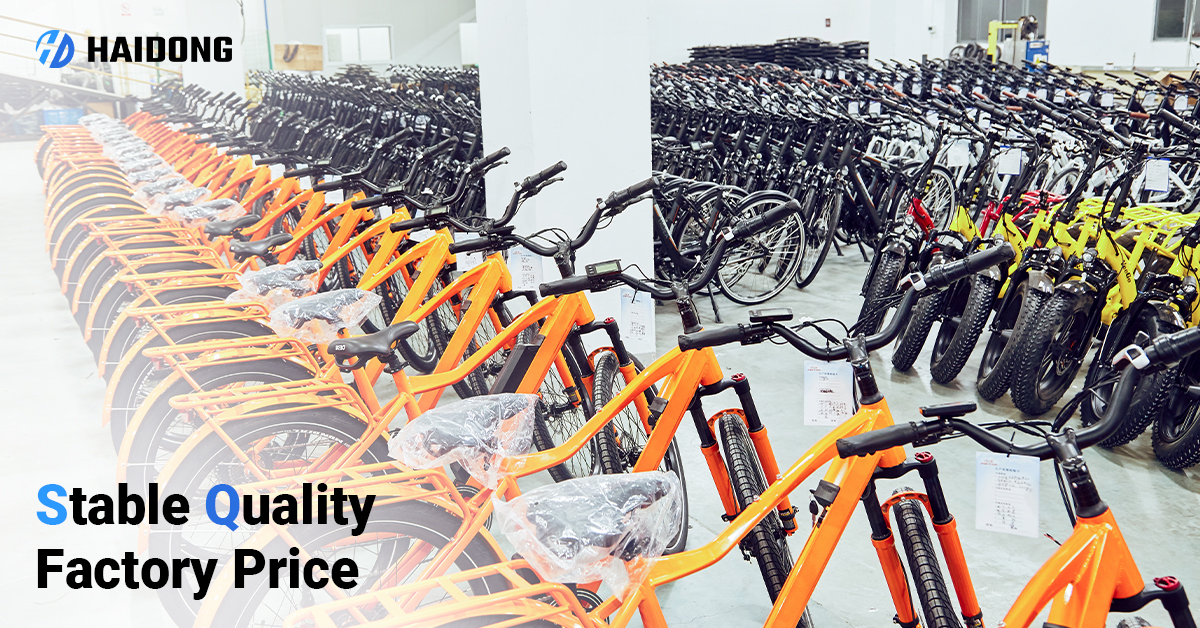
If you’re thinking about starting an e-bike business, you don’t need to overcomplicate things. I’ll break it down in a way that’s practical, especially if you want to sell to other businesses or small dealers. This is not some theory-heavy guide — it’s the stuff you actually need to know to get started.
1. Figure Out What You Want to Sell
Before anything else, decide your focus. Are you going to sell complete e-bikes, components, or offer small-batch customization for dealers? For a B2B business, small-batch custom orders are actually a great entry point.
- Complete e-bikes: Easy to source from factories and sell directly, but competition is high.
- Custom/bulk orders for dealers: You can differentiate by offering motors, battery sizes, or frames that match local demand.
- Components and upgrades: Motors, displays, brakes, or belts can be sold to repair shops or assembly businesses.
Pro tip: Start with 1–2 models you can confidently supply, then expand as demand grows.
2. Know Your Market
Even in B2B, you need to understand your buyers. Are your customers local bike shops? Delivery services? Tourist rentals?
- Local shops: They want reliable bikes with competitive prices. Small-batch customization can be a selling point.
- Delivery companies: Focus on cargo-friendly models, long battery life, and low maintenance.
- Rental operators: Durability is key; they don’t care much about fancy displays.
Understanding this helps you choose the right motor, battery, and accessories — which keeps costs down and makes your offer attractive.
3. Source the Right Products
This is where most new e-bike businesses stumble. Don’t just pick the first factory you find.
- Factory direct: Great if you want volume and consistent pricing.
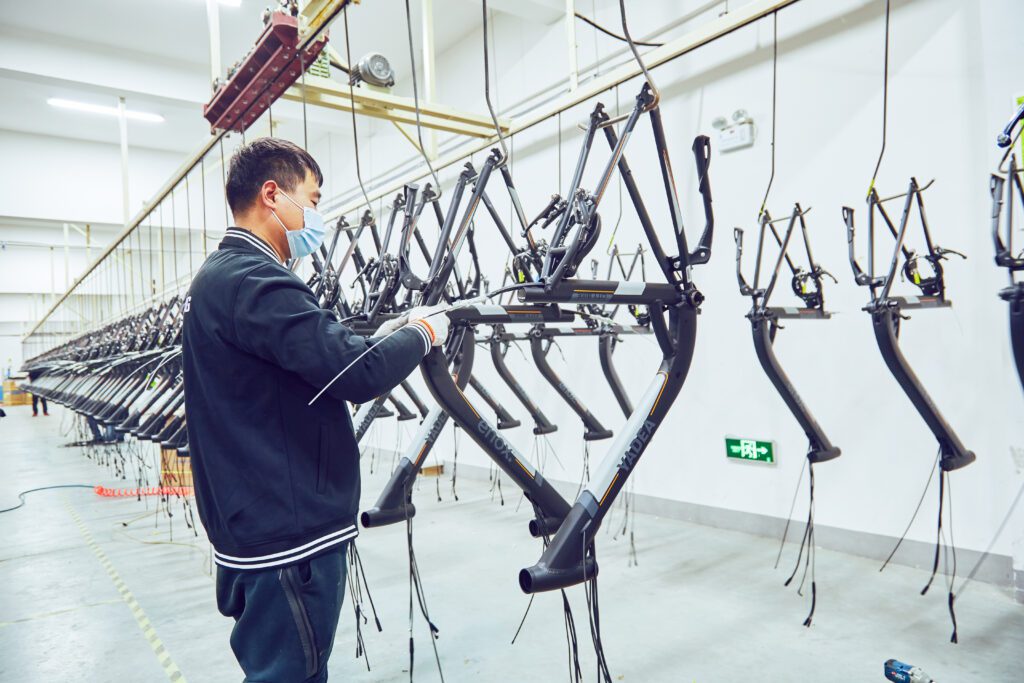
- Small-batch customization: Works well for B2B; you can offer unique colors, stronger motors, or Gates belt drives with mid-drive motors.
- Components only: Sometimes selling motors, displays, or brakes to smaller assemblers is a good way to start with lower investment.
When sourcing, pay attention to:
- Motors: Hub vs mid-drive. Mid-drive is more expensive but higher performance.
- Batteries: LG or Samsung cells are preferred; consider swap-and-upgrade options.
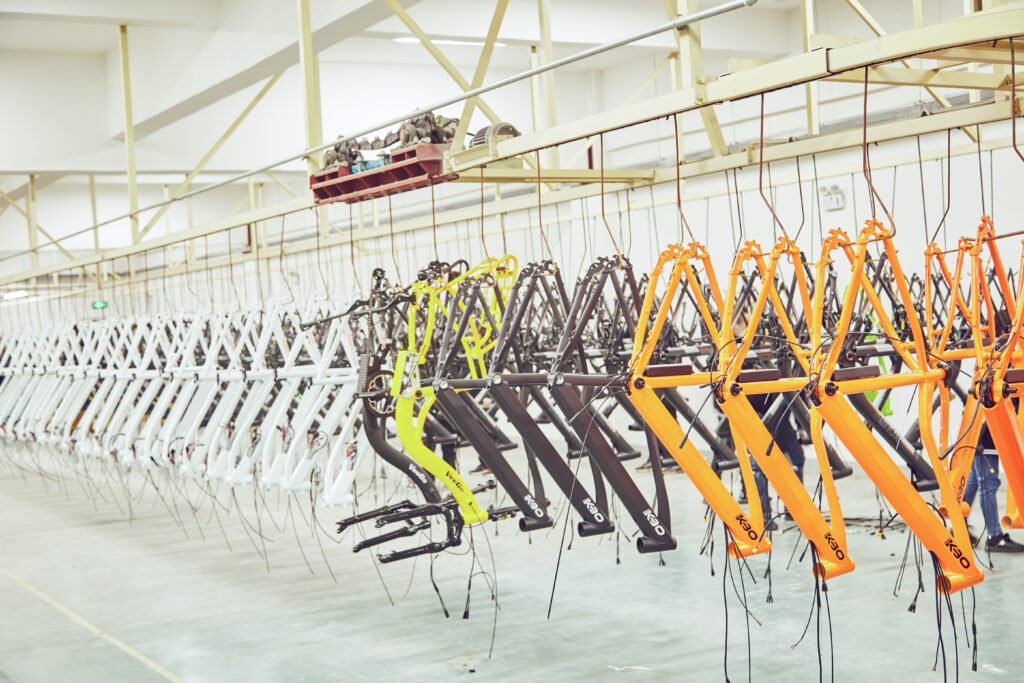
- Frames: Aluminum or steel, and whether you want a custom geometry or standard.
- Brakes: Quad-piston hydraulic brakes are high-end; mechanical disc brakes are cheaper.
4. Work Out Your Costs
Before setting a price, calculate:
- Production costs (bike + accessories)
- Shipping / logistics
- Customs, taxes, or import duties
- Marketing or dealer support
For B2B, small tweaks in accessories can make a difference. For example:
- Swapping a high-end removable display for a simpler one
- Dropping NFC features if they’re not critical
- Choosing a mid-range motor instead of a top-end model
These adjustments can help bring your cost down without affecting the main selling points for your dealers.
5. Set Up Your Business Properly
Even if it’s a small operation, formalizing your business is important:
- Register your company
- Open a business bank account
- Get any necessary import/export licenses
- Consider insurance, especially for liability and product defects
A proper structure helps when working with factories and shipping partners, and builds trust with dealers.
6. Build Your B2B Sales Channels
For a B2B e-bike business, your sales channels matter more than flashy marketing:
- Local dealers: Reach out with your small-batch or custom offerings. Dealers love models they can’t easily source elsewhere.
- E-commerce for small businesses: Platforms like Alibaba or regional B2B portals can help you get initial orders.
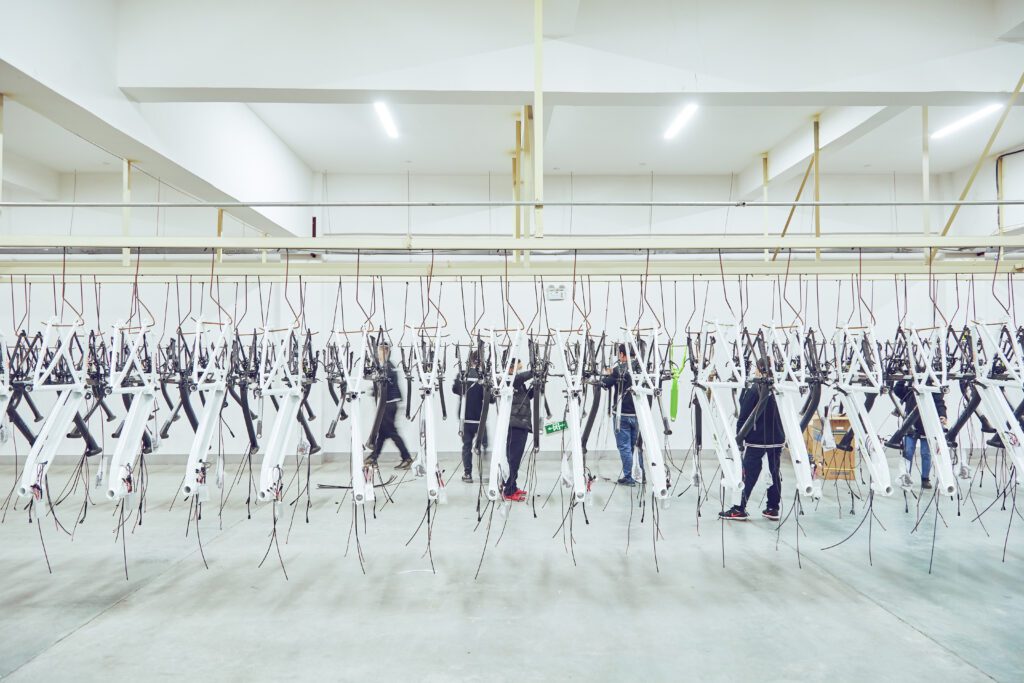
- Social proof: Even for B2B, showing your assembly or warehouse process on LinkedIn or TikTok helps build credibility.
Tip: For your first 3–5 dealers, offer them incentives like small minimum orders or priority shipping — it builds loyalty early.
7. Logistics and After-Sales
Even a B2B business fails if logistics and support are messy:
- Have spare parts ready, especially batteries, displays, and brakes
- Offer clear assembly instructions if shipping semi-built bikes
- Keep shipping times consistent; delays annoy dealers
- Consider warranty or return policies
Remember, in B2B, a small error can affect multiple sales, so reliability is key.
8. Start Small, Then Scale
Don’t try to launch 10 different models immediately. Pick one or two bikes, perfect your supply chain, and work closely with your first batch of dealers. Once you have repeat orders and good feedback, expand your offerings.
Scaling gradually also lets you manage cash flow, which is often the biggest challenge for small e-bike businesses.
9. Optimize for SEO
Even if you mainly sell B2B, having a website optimized for Google helps:
- Include keywords like: “ebike wholesale,” “custom electric bike,” “bulk e-bike supplier”
- Write content about your models, custom options, and benefits
- Use high-quality images and specifications for each model
- Encourage dealers to leave testimonials or case studies
This builds organic traffic over time, making it easier for new dealers to find you.
Conclusion
Starting an e-bike business doesn’t have to be complicated. Focus on:
- Picking the right models or components
- Understanding your B2B buyers
- Building reliable supply and logistics
- Offering small-batch customization to stand out
Start small, test the market, and scale smartly. With careful planning and the right partners, you can build a profitable e-bike business serving other businesses.

Leave a Reply