A few months ago, I was talking to a dealer who runs a lawn equipment shop in the U.S. He told me something simple:
“Customers keep asking about e-bikes. I know I’m losing business, but I don’t know where to start.”
That’s actually very common right now. A lot of people—from bike shops to rental operators to completely unrelated businesses—are trying to enter the e-bike market. But most of them don’t want to build a factory or deal with complicated supply chains.
That’s where private label electric bikes come in.
According to recent electric bike market data, demand keeps growing globally, and B2B sales are increasingly important.
Optional: check UL certification guidelines and EN15194 standard for electric bikes to ensure compliance.
What Private Label E-bikes Really Mean (Simple Version)
Private label sounds complicated, but it’s not—especially when working with a reliable ebike OEM supplier
It basically means:
You sell e-bikes under your own brand, but someone else manufactures them for you.
You control things like:
- Your brand name
- Logo and design
- Product positioning (budget / premium / off-road / commuter)
And the factory handles:
- Production
- Assembly
- Basic quality control
For most B2B buyers, this is the fastest way to start.
Why More B2B Buyers Are Choosing Private Label
From what I’ve seen, there are 3 main types of buyers getting into this:
1. Dealers (Especially in the U.S.)
A lot of lawn mower dealers, power equipment shops, and even motorcycle dealers are adding e-bikes.
Why?
- Same customer base (outdoor users)
- Higher margins compared to traditional bikes
- Growing demand
But they don’t want to sell random brands. They want something they can control.
Private label lets them build their own brand identity, not just resell.
2. Delivery & Platform Businesses
Food delivery, last-mile logistics, or local service platforms are also entering this space.
They usually need
electric bikes for delivery business
with strong batteries and low maintenance.
- Reliability over design
- Battery range
- Low maintenance
For them, private label means:
Customizing the bike for their operation (battery size, racks, durability)
3. Rental / Tourism / Campus Projects
This includes tourist rental companies looking for rental electric bike solutions.
- Tourist rental companies
- Resorts
- Industrial parks
- Campus mobility systems
They don’t care about flashy features. They care about:
- Durability
- Easy maintenance
- Consistent supply
Private label helps them create a uniform fleet with their branding.
Where Most People Go Wrong
Let me be honest here—this is where many first-time buyers mess up.
They focus too much on “top specs”:
- Biggest motor
- Largest battery
- Most expensive components
But that’s not always what your customers need.
For example:
- Rental businesses don’t need NFC or high-end displays
- Delivery fleets don’t need full suspension
- Dealers may prefer mid-range specs for better turnover
The goal is not “best bike”
The goal is right bike for your market
How to Start a Private Label E-bike Business (Real Steps)
Here’s how I usually suggest people approach it:
Step 1: Pick One Clear Direction
Don’t try to do everything.
Choose one:
- Commuter bikes
- Fat tire off-road
- Cargo / delivery
- Rental fleet
This helps you avoid overcomplicating your first order.
Step 2: Start with an Existing Frame
Custom frames sound great, but they increase cost and time.
Instead:
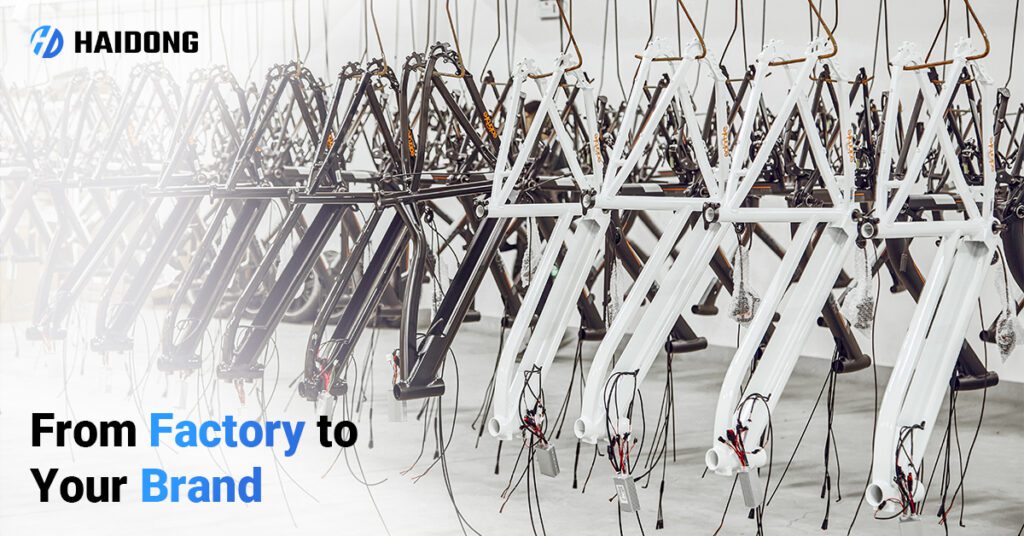
- Use an existing frame design
- Adjust components (motor, battery, brakes, tires)
This is much faster and more cost-effective for small to mid-size orders.
Step 3: Customize What Actually Matters
If you’re doing private label, focus on:
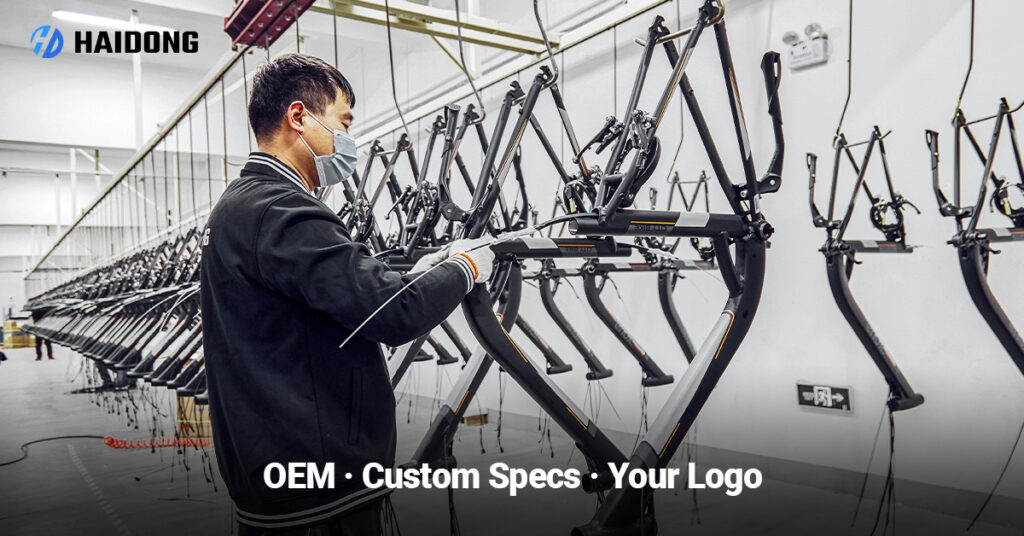
- Logo on frame
- Color scheme
- Battery capacity
- Motor power (500W / 750W / 1000W)
- Tire type (street vs off-road)
Optional (only if needed):
- Display upgrades
- NFC features
- Belt drive systems
Don’t over-customize at the beginning
Step 4: Test Before Scaling
This is something many people skip.
Instead of ordering 50–100 units directly:
Start with samples
Test:
- Real usage
- Customer feedback
- Maintenance issues
Then adjust before going into bulk production.
Step 5: Build Your Pricing Strategy
This is where B2B gets interesting.
Typical structure:
- Factory cost (FOB)
- Shipping & import
- Dealer margin
In many cases, dealers can still achieve 80–100% margin, depending on positioning.
But again, pricing depends heavily on configuration choices.
Small Customization Is a Big Advantage
One thing that’s changing in this industry is:
Small-batch customization is becoming more important
In the past, factories only wanted large orders.
Now, more buyers want:
- 20–50 units
- Custom specs
- Faster turnaround
If you find the right manufacturing partner, this becomes a huge advantage.
Especially for:
- New market entrants
- Regional distributors
- Pilot projects
What to Look for in a Supplier
Not all factories are the same.
Here’s what actually matters:
- Experience with B2B clients
- Ability to support small customization
- Clear communication (this is underrated)
- Stable component supply (motors, batteries, brakes)
Bonus points if they can:
- Suggest cost-down options
- Adjust configurations based on your market
- Support long-term scaling
Final Thoughts
Starting a private label electric bike business is not as complicated as it looks.
You don’t need a factory.
You don’t need a huge budget.
What you do need is:
- A clear target market
- The right product positioning
- A reliable supply partner
Start small, test properly, and adjust based on real feedback.
That’s how most successful B2B e-bike businesses actually grow.
Get your private label ebike quote

Leave a Reply