A few weeks ago, I was talking to a lawn equipment dealer in Georgia. He’s been selling mowers and tractors for twenty years. He told me, “I’m seeing more people ask about electric bikes than zero-turn mowers lately.”
He wasn’t a “bike guy.” He was a businessman noticing a shift.
If you are looking at the electric bike market in the USA right now, he numbers back up what that dealer is seeing on the ground. According to Fortune Business Insights, the global e-bike market is projected to surge from $65.80 billion in 2026 to over $193 billion by 2034. This isn’t just a trend; it’s a massive capital shift toward high-efficiency electric mobility. you’ve probably seen the headlines about “market cooling.” But from where I stand—working directly with the Haidong e-bike factory—the utility is just heating up.
The financial case for fleet operators is particularly strong. Recent data from Mordor Intelligence highlights that the commercial delivery segment is one of the fastest-growing niches in North America, with a projected CAGR of over 20% through 2031. This reflects what we see in our own order books: delivery platforms and campus rentals are no longer testing the waters—they are scaling up.bility tool.
1. The “Lawn Mower” Pivot: Why Traditional Dealers are Winning
If you run a dealership—whether it’s power equipment, powersports, or even a small auto shop—you already have what most e-bike startups lack: Showroom space and a service bay.
The US consumer is tired of “Direct-to-Consumer” brands that vanish when a controller burns out. They want a local expert. As a custom electric bike supplier, we are seeing a massive trend: traditional outdoor power equipment dealers are adding e-bikes to their floor to kill the “off-season” slump.
E-bikes fit your existing customer base perfectly. The same person buying a high-end mower for their property is the person looking for a fat tire electric bike to get around that property or hit the trails. By partnering with a reliable ebike OEM ODM manufacturer, you can white-label a line that matches your brand’s reputation for toughness.
2. The Delivery War is Won on Operating Costs
I’ve spent a lot of time analyzing fleet data for last-mile delivery. Whether it’s a food delivery platform in NYC or a local courier in Chicago, the math is brutal: gas is volatile, insurance is skyrocketing, and cars get stuck in traffic.
This is where the electric cargo bike becomes a financial weapon. We aren’t just talking about “going green.” We are talking about reducing the cost-per-delivery by nearly 40%.
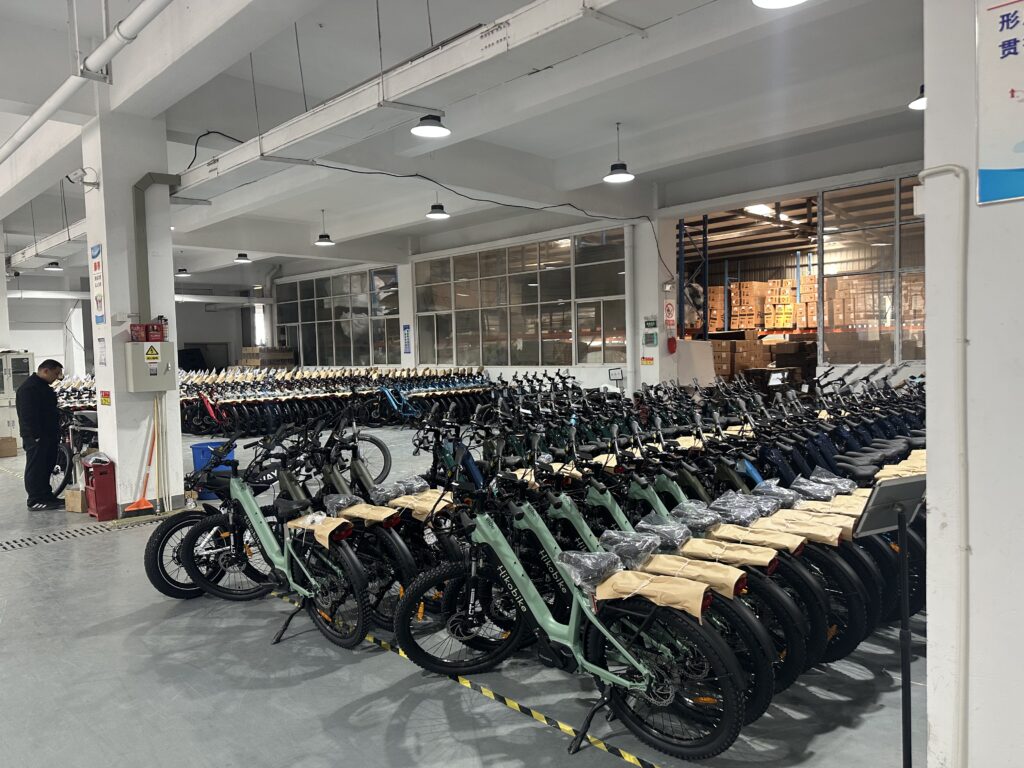
For fleet operators, the “specs” that matter aren’t top speed—it’s uptime. You need a frame that won’t crack under a 400lb load and a battery system that can handle back-to-back shifts. When we discuss B2B electric bike solutions, we focus on heavy-duty components and standardized parts. If a bike is down for a week waiting for a proprietary sensor, you’re losing money. That’s why choosing a manufacturer with a transparent supply chain is the only way to scale a rental or delivery fleet.
3. The “New Entrant” Trap: Don’t Just Buy a Container
If you’re coming from a different industry—maybe you’re in real estate, logistics, or retail—and you want to jump into the e-bike market, the biggest mistake you can make is “spec-chasing.”
You’ll see a factory offering a $500 bike that looks great in photos. But in the USA, liability and reliability are everything. To build a sustainable business, you need more than a product; you need a professional after-sales support system.
The US market is moving toward stricter UL certifications and battery safety standards. If you are an “outsider” entering the space, you need a partner who handles the heavy lifting of compliance and customization. Whether it’s private label electric bikes or specific configurations for a gated community’s shared mobility program, your value-add is the local service and the brand trust you build.
4. Tourism and Campus Mobility: The Low-Hanging Fruit
We’ve helped set up e-bike fleets for national park rentals and corporate campus sharing. The feedback is always the same: “It changed the flow of people.”
For resort owners or park managers, e-bikes extend the “range” of a tourist. Someone who wouldn’t dream of pedaling 10 miles in the heat will easily do 20 miles on an e-bike, stopping at more shops and staying longer at attractions. For these use cases, we recommend step-thru electric bikes—they are accessible for all ages and body types, maximizing your rental ROI.
5. Why the “Vietnam + China” Factory Model Matters for US Buyers
Let’s talk about the elephant in the room: Trade policy. If you are importing to the USA, you know that tariffs can kill your margins overnight. This is why our dual-factory manufacturing strategy is a game-changer for our B2B partners. By leveraging production in both China and Vietnam, we provide a hedge against geopolitical shifts. It’s about ensuring that your supply chain stays stable, no matter what happens with trade agreements.
Final Thoughts: Moving from “Product” to “Partner”
The US electric bike market in 2026 isn’t a gold rush anymore—it’s a professional industry. The “quick buck” players have washed out. What’s left is a massive opportunity for businesses that can provide reliable, serviced, and purpose-built machines.
Whether you are a mower dealer looking for a new revenue stream, a delivery giant looking to slash costs, or an entrepreneur building the next great mobility brand, the key is the same: Don’t just find a vendor. Find a factory that understands the US business landscape.
If you’re ready to look at the numbers and see how e-mobility fits into your 2026 strategy, let’s talk about customizing your first fleet or dealer order. The road is wide open, but you need the right wheels to stay on it.

Leave a Reply