A distributor I spoke with recently didn’t plan to get into e-bikes. He’s been selling lawn equipment in the U.S. for years—steady business, familiar products. But over the past year, more of his customers started asking about electric bikes. Not once or twice, but consistently. That’s usually how this shift begins: not with strategy, but with demand that keeps showing up.
Why the electric bike market in Europe matters
If you’re looking at entering the e-bike business, Europe is worth paying attention to. It’s not just a big market—it’s a stable one. Regulations are clearer, customer expectations are more defined, and distribution channels are more mature.
For any business working with an electric bike wholesale supplier, Europe often serves as a benchmark. Products that perform well here are usually built with consistency, compliance, and long-term use in mind. That’s important if you’re not just testing the market, but planning to stay in it.
What B2B buyers are really looking for
From actual inquiries we see, most B2B buyers are not casually browsing. They already have a direction and are trying to find the right partner.
Some are looking for a reliable OEM ebike manufacturer to build their own brand. Others are searching for a ready-to-deploy delivery ebike for business that can handle real daily usage.
The keywords may look simple, but behind them is a clear intention:
they want products that work, and suppliers that can support them long term.
Demand is moving beyond retail
In Europe, e-bikes are no longer just consumer products. A big part of the growth now comes from commercial use.
Delivery and logistics
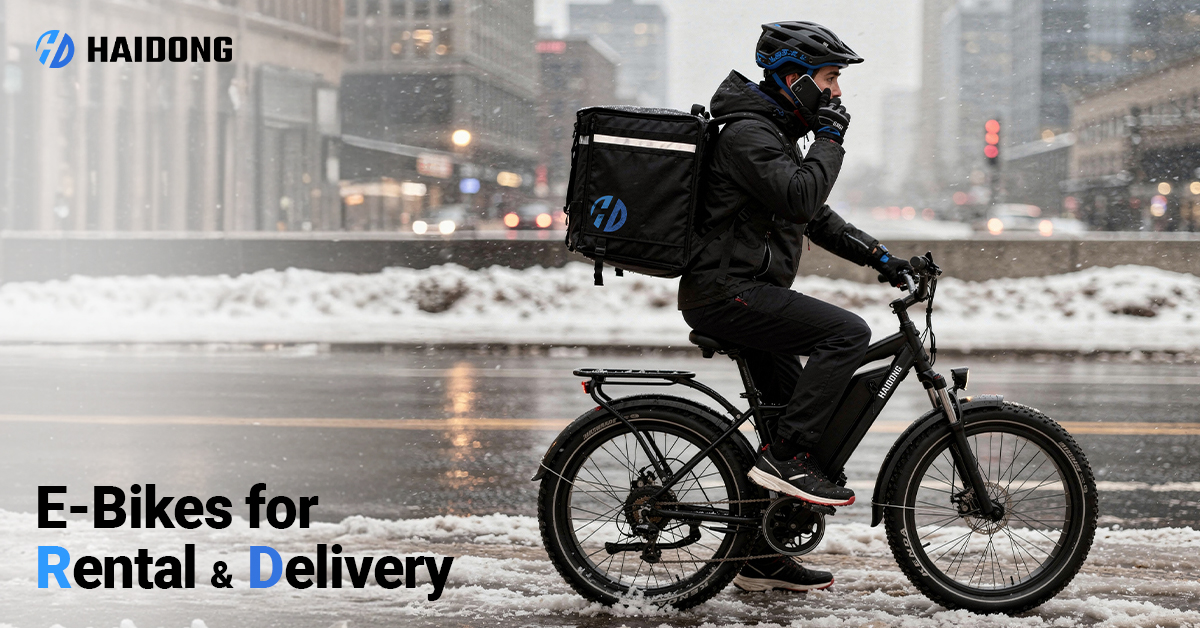
Food delivery, courier services, and last-mile logistics are expanding fast. But these businesses don’t care about flashy specs—they care about reliability.
A well-built cargo ebike for food delivery needs to handle load, maintain stable performance, and reduce downtime. Battery consistency, braking performance, and frame strength matter much more than top speed.
Rental and tourism
In tourist areas and rental businesses, the focus is different. Operators want bikes that are easy to maintain, simple to use, and durable over time.
Too many advanced features can actually become a problem. What they need is stability.
Fleet and shared use
In industrial parks, resorts, and campuses, we’re seeing more interest in unified systems. Businesses are no longer buying a few bikes—they’re building systems.
That’s where a structured electric bike fleet solution becomes important, including consistent models, easier maintenance, and scalable deployment.
What actually matters when choosing a supplier
Consistency over “high specs”
A common mistake for new buyers is focusing too much on numbers—motor power, battery size, or top speed.
In reality, consistency is more important. A stable supply chain, consistent components, and predictable quality will save far more cost in the long run.
Certification is no longer optional
In Europe, standards like EN15194 are part of doing business. And even outside Europe, more markets are starting to follow similar requirements.
That’s why many buyers now prefer working with a CE certified electric bike supplier who can clearly explain compliance, testing, and timelines.
It’s not just about passing a test—it’s about reducing risk in your business.
Customization is where real value is
Different use cases require different configurations.
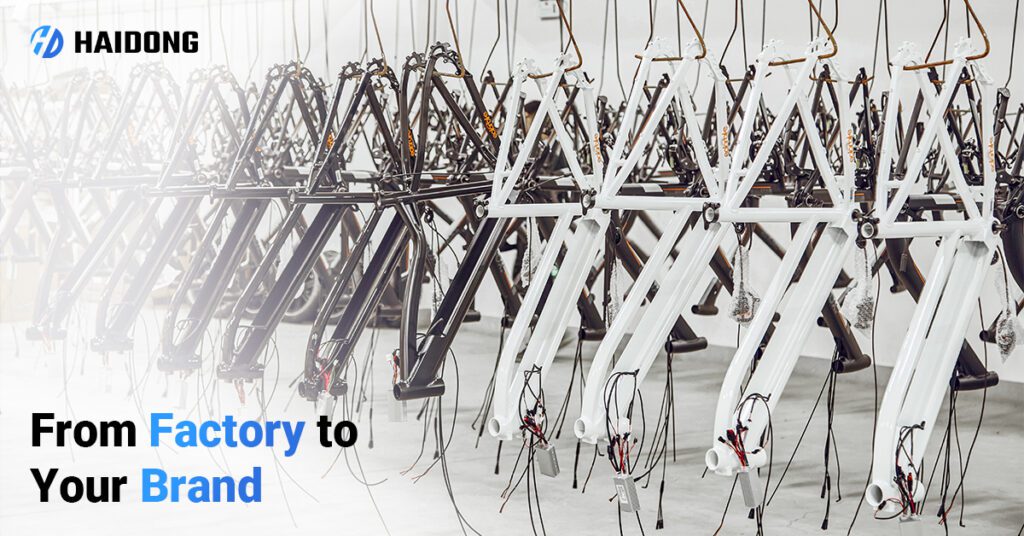
A flexible custom ebike manufacturer should be able to adjust:
- Battery capacity (for example 17.5Ah to 20Ah or higher)
- Motor setup
- Frame design and branding
For delivery, you may need more load capacity.
For rental, you may need simplicity.
For retail, design might matter more.
Being able to adapt is what separates a basic supplier from a long-term partner.
Why some bikes don’t sell
We’ve seen cases where technically solid bikes struggle in the market.
Sometimes the frame design doesn’t match customer preferences.
Sometimes the configuration is too expensive for the target segment.
Sometimes it’s simply not positioned correctly.
Even a good product can become slow-moving inventory if it doesn’t match real demand.
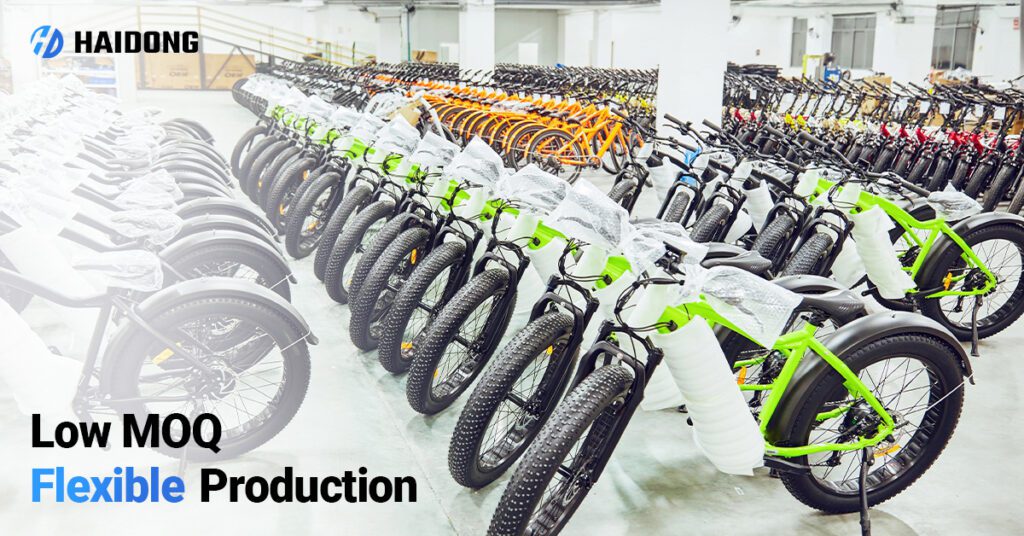
That’s why many buyers now prefer starting with smaller quantities, testing samples, and adjusting before scaling up.
Timing can decide your results
One thing many new entrants underestimate is timing.
E-bike sales tend to be seasonal. Distributors who prepare early—confirming models, testing samples, and securing stock—are usually the ones who capture the peak demand.
Working with ready to ship electric bikes from a fast delivery ebike supplier can make a big difference, especially when timelines are tight.
Waiting until the season starts often means limited choices and higher costs.
Final thoughts
The European e-bike market didn’t grow because of trends. It grew because the foundation is strong—clear regulations, real use cases, and products that meet practical needs.
For B2B buyers, the opportunity is real. But it’s not just about entering the market—it’s about building something sustainable.
Choosing the right bulk electric bikes supplier is part of that decision. Not just for price, but for consistency, support, and the ability to grow together.
Because in the end, the businesses that succeed are not the ones that move fastest,
but the ones that build something that actually works.

Leave a Reply