Complete Guide for Cold-Weather Riding
Cold weather has a significant impact on eBike battery performance. Many riders notice shorter range, slower charging, or sudden power drops during winter.
In most cases, this is not a battery defect, but a normal reaction of lithium batteries to low temperatures.
This guide explains why eBike batteries perform differently in winter and how to use, charge, and store them correctly to maximize lifespan and safety.
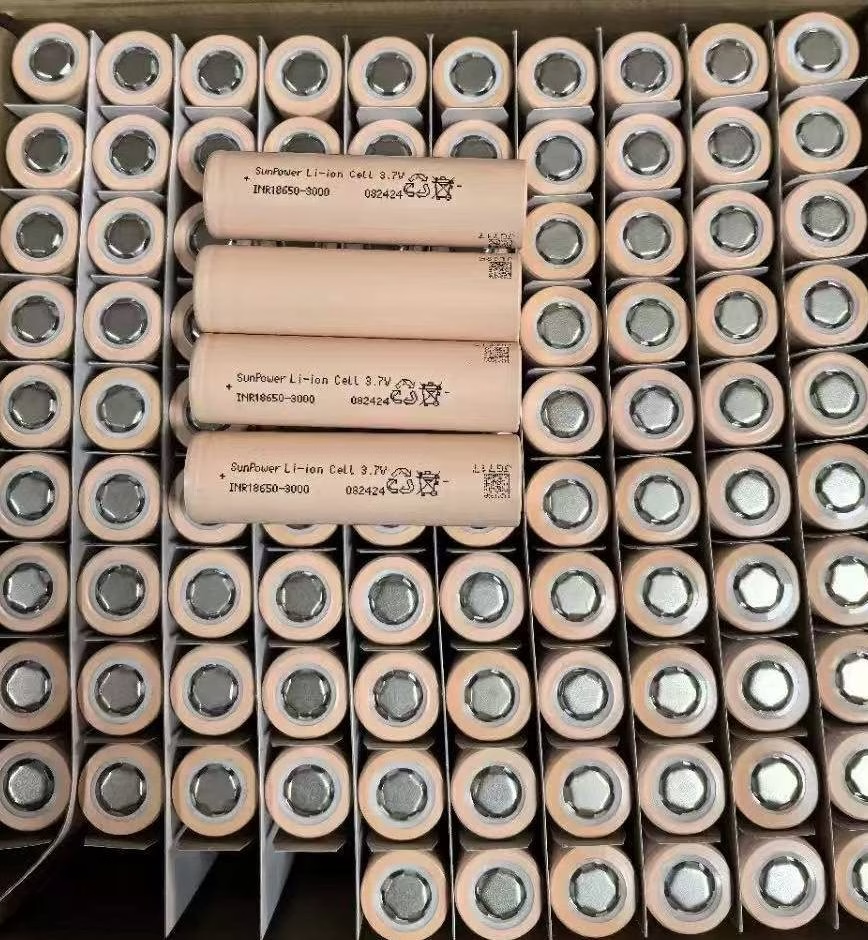
Why Does eBike Battery Range Drop in Winter?
Lithium-ion batteries rely on chemical reactions that slow down in cold temperatures.
Typical effects include:
- Reduced available capacity
- Lower voltage output
- Slower energy release
General reference:
- Around 0°C (32°F): range drops 20–30%
- Below -10°C (14°F): range loss can exceed 40–50%
This loss is usually temporary and will recover when the battery returns to normal temperature.
6 Key Rules for Using eBike Batteries in Winter
1. Store the Battery Indoors Whenever Possible
Recommended storage temperature:
10°C–25°C (50°F–77°F)
- Remove the battery after riding
- Do not leave it overnight in cold garages, sheds, or on the bike
Keeping the battery warm significantly improves winter performance.
2. Avoid High Power Output When Starting
Cold batteries do not handle sudden high current well.
Best practice:
- Start riding with low assist levels
- Avoid full throttle immediately after startup
This reduces stress on the battery and prevents sudden shutdowns.
3. Never Charge a Frozen or Cold Battery
⚠️ Do not charge the battery below 0°C (32°F)
Correct charging process:
- Bring the battery indoors
- Let it warm up for 1–2 hours
- Charge only when the battery reaches room temperature
Charging a cold battery can cause permanent internal damage.
4. Do Not Fully Drain the Battery in Winter
In cold conditions:
- Voltage drops faster
- Sudden power cutoff is more likely
Recommendation:
- Stop riding when battery reaches 20–30%
- Avoid deep discharge in winter
5. How to Store an eBike Battery During Winter (Long Term)
If the bike will not be used for 2 weeks or more:
- Store battery at 50–70% charge
- Keep in a dry, room-temperature environment
- Recharge every 1–2 months
Avoid:
- Long-term full charge
- Long-term empty storage
6. Plan Shorter Riding Distances
Winter range is always lower.
Rule of thumb:
- Summer range: 80 km
- Winter planning range: 50–60 km
Consider wind, rider weight, and terrain.

Common Winter Battery Myths
❌ “My battery is bad because range dropped”
→ Cold temperature effect is normal
❌ “Charging outside is fine in winter”
→ Cold charging damages lithium cells
❌ “Full charge storage protects the battery”
→ Long-term full charge accelerates aging
Manufacturer Recommendations
For brands and dealers:
- Clearly explain winter battery behavior to customers
- Add winter-use instructions to user manuals
- Use high-quality cells and reliable BMS systems
Well-designed batteries maintain better voltage stability and longer lifespan in cold weather.
Winter eBike Battery Care – One-Line Summary
Store indoors, warm before charging, avoid high power draw, and never drain completely in cold weather.

Leave a Reply