The e-bike industry is no longer just about selling bicycles with electric motors. Today, companies are building e-bike brands, opening local dealerships, supplying rental fleets, selling directly through their own websites, and working with manufacturers to develop private-label products.
With so many different ways to enter the market, understanding the best business models for ebike companies can help entrepreneurs choose a business structure that matches their market, budget, and long-term goals.
Today, companies are building e-bike brands, opening local dealerships, supplying rental fleets, selling directly through their own websites, and working with manufacturers to develop private-label products.
That creates more opportunities, but it also makes one question more important:
What is the right business model for an e-bike company?
There is no single answer. The right model depends on your target market, available budget, sales channels, local regulations, and how much control you want over the product.
For a new business, starting with a reliable ebike wholesale supplier and a small number of proven models can often be a practical way to test the market before making a larger investment.
Here are some of the most common e-bike business models we see today.
1. Private Label E-Bike Brand
Starting a private-label e-bike brand is one of the most interesting options for companies that want to build their own identity.
Instead of selling another company’s brand, you work with an electric bike OEM manufacturer and sell the bikes under your own name.
The factory can handle production while you focus on marketing, sales, customer service, and building your dealer network.
Depending on the supplier, private-label customization can include:
- Brand logo
- Frame color
- Motor configuration
- Battery capacity
- Display
- Tires and components
- Rear racks and accessories
- Packaging
- User manuals
This approach can be especially useful for new brands that do not want to invest in their own factory.
You can start with an existing platform, test the market, and then develop more customized products as sales grow.
For companies looking for private label electric bikes, choosing the right manufacturing partner is important because the supplier will affect product quality, lead times, spare parts, and after-sales support.
2. E-Bike Wholesale Distribution
Wholesale distribution is still one of the most straightforward e-bike business models.
A distributor purchases bikes from a manufacturer and sells them to local bike shops, dealers, retailers, or other businesses.
The distributor does not necessarily need to create a completely new product. Instead, the focus is on building a strong local sales network.
A typical wholesale business may include:
Factory → Distributor → Local Dealers → Customers
This model works particularly well when the distributor already has relationships with bike shops or outdoor equipment retailers.
The important part is not simply finding the lowest factory price.
Wholesale buyers also need to consider:
- Product consistency
- Spare parts availability
- Shipping
- Warranty support
- Certification
- Lead time
- Minimum order quantity
- Replacement parts
- Technical support
A few dollars saved on the purchase price will not help much if dealers cannot get replacement parts or customers have to wait months for warranty support.
3. Direct-to-Consumer E-Bike Business
Another common model is selling e-bikes directly to customers through an online store.
The company may use its own website, social media, online advertising, or other e-commerce channels to generate sales.
The basic structure is simple:
Manufacturer → E-Bike Brand → Customer
The biggest advantage is that the company has a direct relationship with the customer.
However, DTC also means that the company is responsible for much more than marketing.
You need to manage:
- Online advertising
- Website operations
- Customer support
- Shipping
- Assembly instructions
- Warranty claims
- Spare parts
- Returns
- Local service
This is why a DTC e-bike business should think about after-sales support before the first large order.
4. E-Bike Dealer or Local Bike Shop
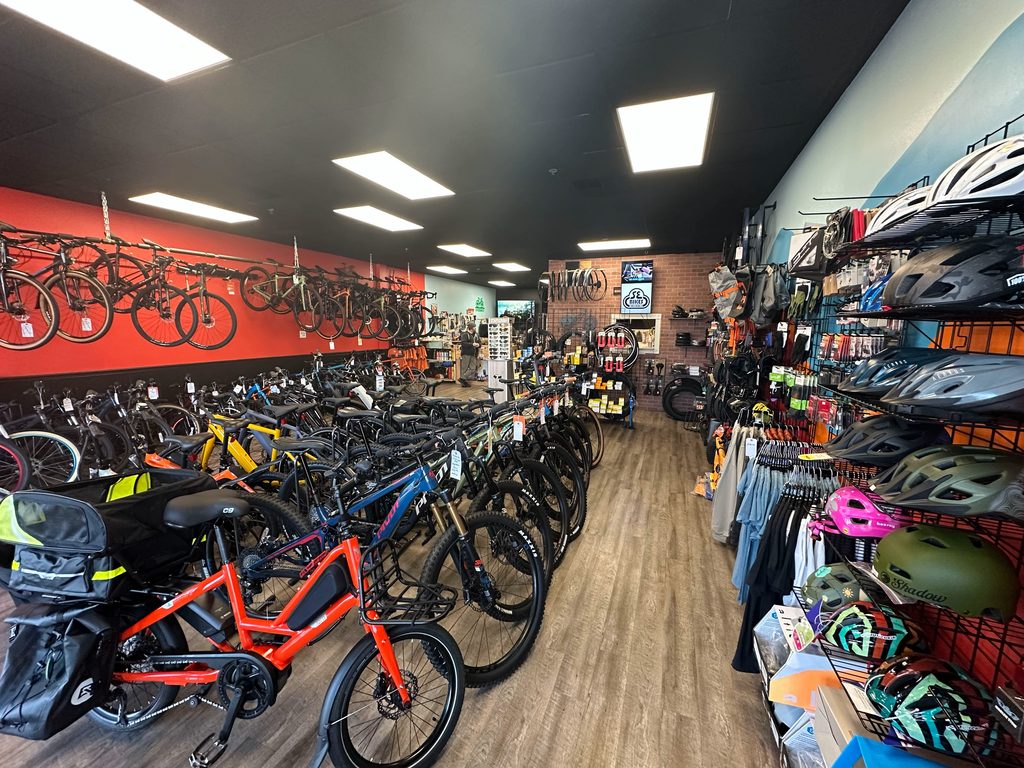
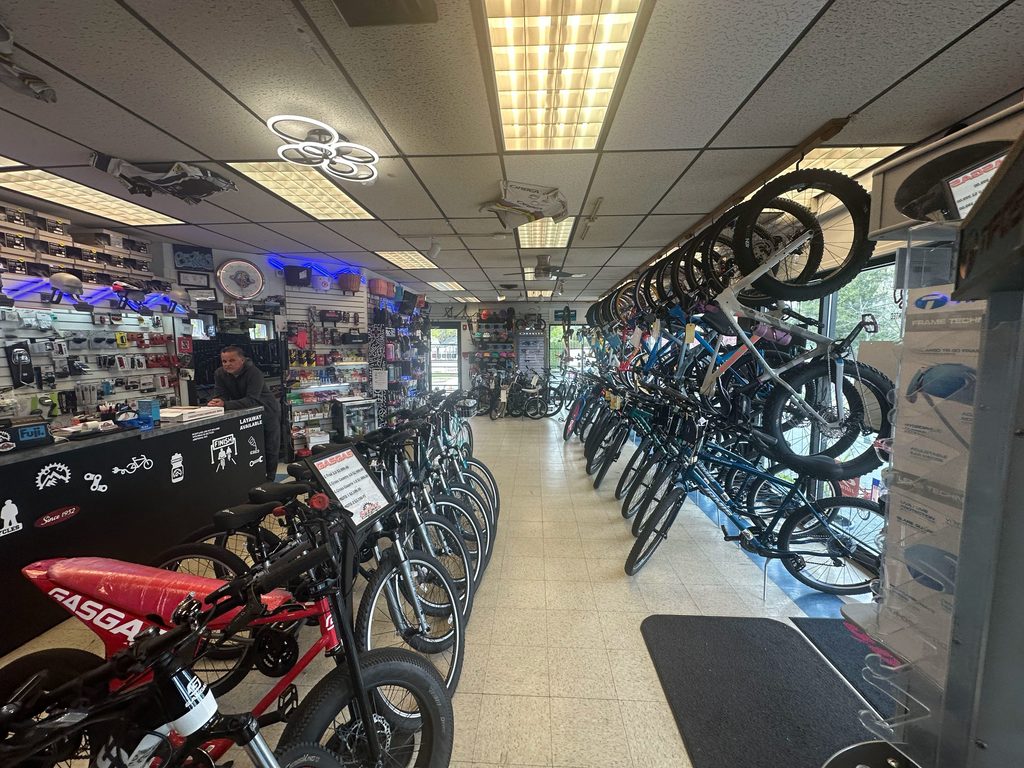
For businesses that already operate a bicycle shop, powersports dealership, or outdoor equipment store, adding e-bikes can be a natural extension.
The business already has a physical location and customers who may be interested in electric transportation or recreational products.
A local dealer can provide something that an online-only company cannot easily replace: customers can see the bike, test ride it, and speak with someone locally.
For manufacturers, dealer partnerships can also create long-term wholesale orders.
The key is to select models that match the local market instead of trying to carry every type of e-bike.
A commuter bike, fat tire bike, hunting bike, folding e-bike, and cargo bike all attract different customers.
5. E-Bike Rental and Fleet Business
Rental and fleet operations are another business model worth considering.
Typical applications include:
- Tourism
- Hotels and resorts
- Outdoor recreation
- Delivery services
- Corporate transportation
- Property management
- Campus transportation
Fleet buyers usually have different requirements from individual customers.
They may care more about durability, battery range, easy maintenance, replacement parts, and total operating cost than premium styling.
For a rental business, for example, a simple and durable configuration may be more useful than a highly customized bike with expensive components.
Fleet customers should also consider how quickly common parts can be replaced.
A broken brake or display should not keep a rental bike out of service for weeks.
6. OEM and ODM E-Bike Partnerships
Some companies already know exactly what they want to sell.
They may have their own brand, target customer, or product concept but do not want to build a factory.
This is where OEM and ODM manufacturing can make sense, especially for companies looking for custom electric bikes.
With OEM production, the buyer usually provides specific requirements while the manufacturer handles production.
With ODM, the manufacturer can provide more support with product development and engineering.
For example, a company may want to create:
- A lightweight city commuter
- A fat tire hunting e-bike
- A cargo e-bike
- A folding step-through
- A long-range commuter
- A specific fleet configuration
The manufacturer can help select the frame, motor, battery, brakes, display, tires, and other components.
This can reduce the cost and time required to develop a completely new bicycle from scratch.
7. A Hybrid E-Bike Business Model
In reality, many e-bike companies do not use only one business model.
They combine several channels.
For example, a company could:
- Sell directly through its website
- Work with local dealers
- Supply wholesale customers
- Develop private-label products
- Provide bikes for rental fleets
This creates several sales channels instead of depending on a single source of revenue.
However, a hybrid model can also make operations more complicated.
Different customers may require different prices, packaging, specifications, inventory levels, and after-sales policies.
For this reason, it is usually better to build one reliable sales channel first and expand gradually.
How to Choose the Best Business Models for Ebike Companies
The best business model depends on what you already have, who your customers are, and how you plan to sell your products.
If you are a new e-bike brand, private label or OEM production can help you create your own products without building a factory.
If you already have local dealers, wholesale distribution may fit your existing business.
If you have strong online marketing experience, a DTC model may be worth considering.
If you operate a bike shop or powersports dealership, adding selected e-bike models may be easier than starting a completely new business.
If you have access to tourism, delivery, or commercial customers, a fleet or rental model could be another option.
You also don’t have to choose everything at once.
A practical approach is to start with one or two models, test real customer demand, and then increase the product range after you understand what sells.
What to Look for in an E-Bike Manufacturing Partner
Your business model is important, but your supply chain is just as important.
When comparing an ebike wholesale supplier or OEM factory, don’t only compare the FOB price.
Look at the complete picture.
Production Capacity
Can the factory maintain consistent quality when your order volume increases?
Product Customization
Can the supplier change the motor, battery, frame color, logo, display, brakes, packaging, or other specifications?
Certifications
Different markets have different requirements. Make sure the supplier can provide the certifications and documentation required for your target market.
Spare Parts
E-bikes eventually need replacement parts.
Ask how the supplier handles batteries, controllers, displays, motors, brakes, and other common components.
After-Sales Support
A good supplier should be able to provide technical information and support when dealers or customers have problems.
MOQ
Minimum order quantity is especially important for new businesses.
A lower MOQ can make it easier to test a product before committing to a large inventory investment.
Start With the Business, Not Just the Bike
One of the biggest mistakes new e-bike companies make is choosing a bike before deciding how they are going to sell it.
The product should match the business model.
A city commuter designed for daily transportation is different from a hunting e-bike designed for outdoor use. A rental fleet has different requirements from a premium private-label brand.
Start by asking:
Who is going to buy the bike?
Then ask:
Why will they choose it?
Finally:
How will you make money after the first sale?
Once these questions are clear, it becomes much easier to select the right product, specifications, supplier, and inventory strategy.
At HAIDONG E-Bike, we work with distributors, dealers, fleet operators, and private-label brands that are building e-bike businesses in different markets through electric bike business partnerships. Our OEM and ODM service covers product selection, customization, sample testing, bulk production, shipping, and after-sales support.
If you are planning to start or expand an e-bike business, choosing the right manufacturing partner can help you move from the first sample to regular production with fewer unnecessary steps.

Leave a Reply