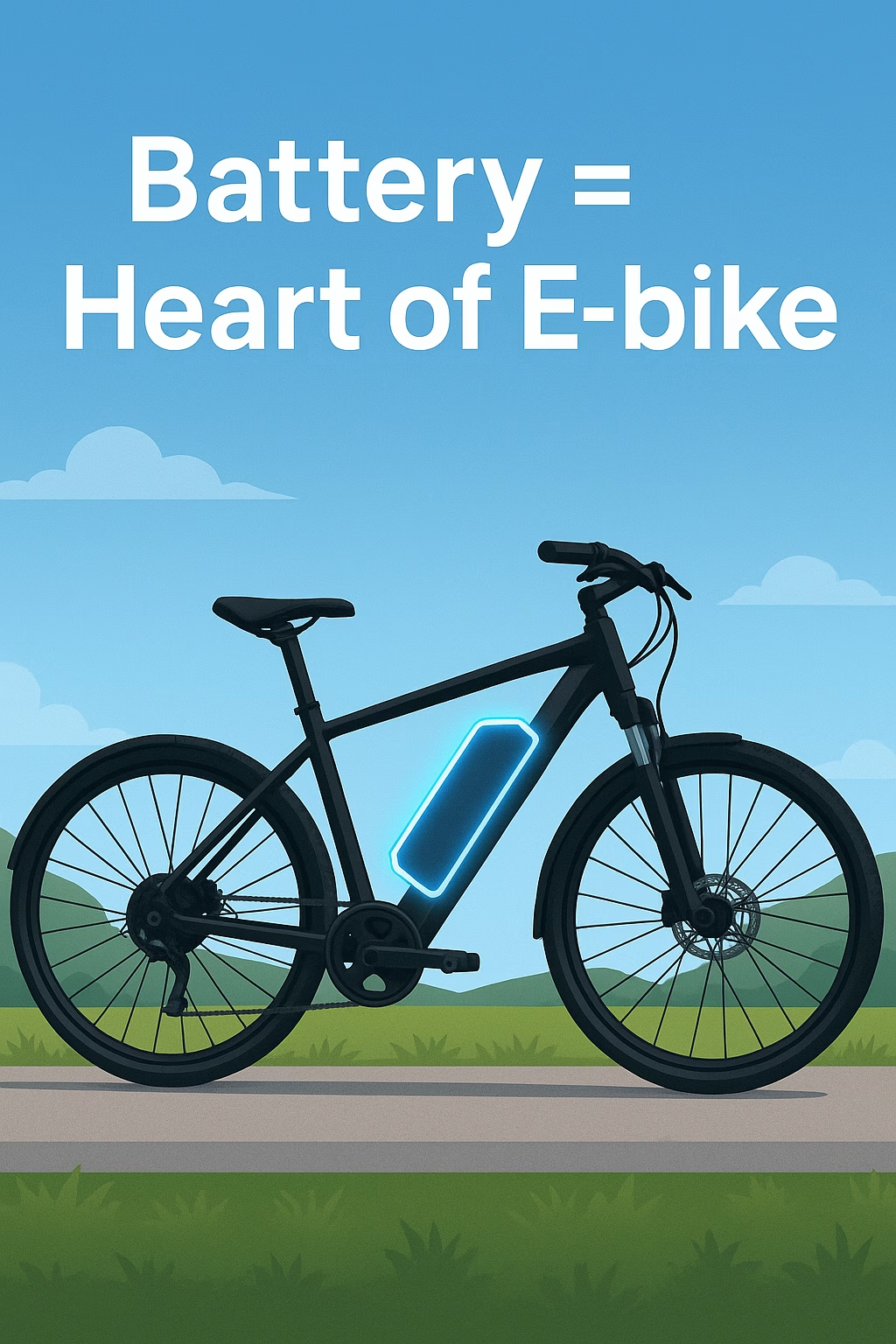
When choosing an electric bike, battery voltage is one of the most important technical factors — yet it’s often misunderstood.
The two most common options on the market today are 36V electric bikes and 48V electric bikes.
Each has clear advantages depending on riding style, regulations, terrain, and budget.
In this guide, we’ll compare 36V vs 48V eBikes in terms of power, speed, range, cost, compliance, and ideal use cases, helping you choose the right option.
What Does Battery Voltage Mean on an Electric Bike?
Battery voltage (V) directly affects how much power an electric bike system can deliver.
In simple terms:
- Higher voltage = more power potential
- Lower voltage = smoother, more efficient, and often more compliant
Voltage works together with:
- Motor power (W)
- Controller tuning
- Battery capacity (Ah / Wh)
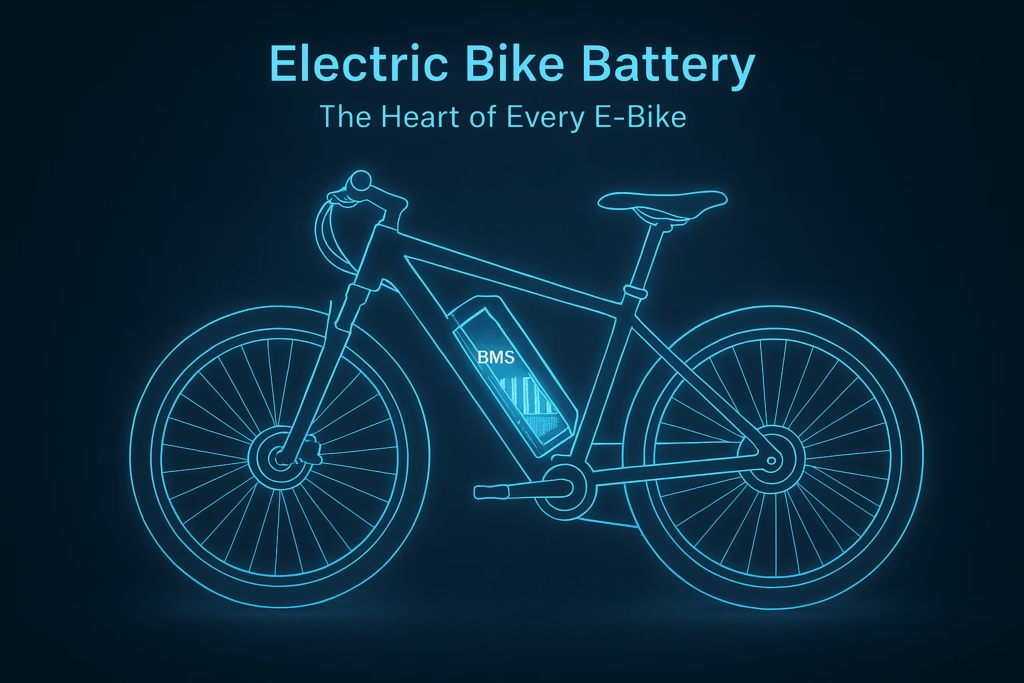
36V vs 48V Electric Bike: Key Differences at a Glance
| Feature | 36V Electric Bike | 48V Electric Bike |
|---|---|---|
| Power output | Moderate | Higher |
| Acceleration | Smooth, gradual | Strong, fast |
| Top speed | Usually 20–25 km/h (EU compliant) | 25–45 km/h (varies by market) |
| Energy efficiency | Higher | Slightly lower |
| Weight | Lighter system | Heavier system |
| Cost | Lower | Higher |
| Heat generation | Lower | Higher |
| Legal compliance | Easier (EU/UK) | Depends on region |
| Typical use | City commuting | Fat tire, cargo, performance |
Advantages of 36V Electric Bikes
36V eBikes are the most common choice for urban and commuter riding.
Key Benefits:
- ✅ Fully compliant with EU EN15194 regulations
- ✅ Smooth and comfortable riding experience
- ✅ Lower battery and system cost
- ✅ Longer range per Wh in real-world commuting
- ✅ Lighter and more balanced bike design
- ✅ Ideal for mid-drive or efficient hub motors
Best For:
- City commuting
- Urban riders
- Entry-level eBikes
- Rental and fleet projects
- European and UK markets
Typical Configuration:
- 36V 10–15Ah battery
- 250W–500W motor
- Pedal assist focused
Advantages of 48V Electric Bikes
48V eBikes are designed for riders who need more torque and performance.
Key Benefits:
- 🚀 Stronger acceleration
- 🚀 Better climbing ability
- 🚀 Handles heavier loads more easily
- 🚀 Ideal for fat tire and cargo bikes
- 🚀 Popular in North American markets
Best For:
- Fat tire electric bikes
- Cargo & delivery eBikes
- Off-road or all-terrain riding
- Riders seeking higher performance
Typical Configuration:
- 48V 15–20Ah battery
- 500W–1000W motor
- Throttle + pedal assist
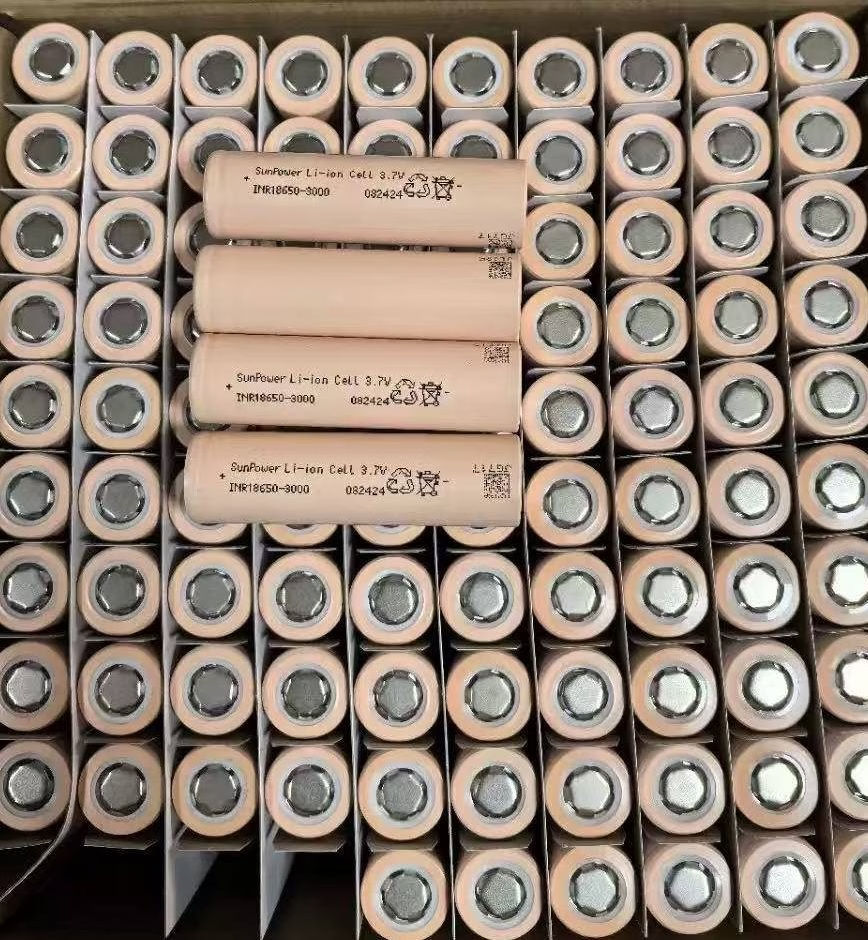
36V vs 48V: Range Comparison
Many people assume 48V always has longer range — this is not always true.
👉 Range depends on total energy (Wh), not voltage alone.
Examples:
- 36V × 14Ah = 504Wh
- 48V × 10Ah = 480Wh
In real use:
- 36V systems are often more efficient
- 48V systems consume more energy under acceleration
👉 For city commuting, a 36V bike often delivers equal or better real-world range.
Cost Comparison
| Cost Factor | 36V | 48V |
|---|---|---|
| Battery | Lower | Higher |
| Controller | Lower | Higher |
| Motor system | Lower | Higher |
| Certification | Easier | More complex |
👉 This is why 36V eBikes dominate the €1,000–€2,000 retail segment, while 48V bikes are usually positioned higher.
Legal & Compliance Considerations
- Europe (EU / UK)
- 36V + 250W + 25 km/h PAS = ✅ legal eBike
- 48V often requires classification as speed pedelec or moped
- USA / Canada
- 48V systems are widely accepted
- Higher speed classes available
👉 Always consider local regulations before choosing voltage.
Which One Is Right for You?
Choose a 36V Electric Bike if:
- You ride mainly in the city
- You want legal compliance in Europe
- You value efficiency and comfort
- You target rental, commuting, or ODM city bikes
Choose a 48V Electric Bikeif:
- You need strong torque and acceleration
- You carry heavy loads or ride off-road
- You target fat tire or cargo eBikes
- You sell mainly in North America
Final Thoughts
There is no “better” voltage — only the right choice for the right application.
- 36V = efficiency, compliance, mass market
- 48V = power, performance, niche demand
If you need help choosing the right voltage configuration for your eBike project or ODM program, feel free to reach out.

Leave a Reply